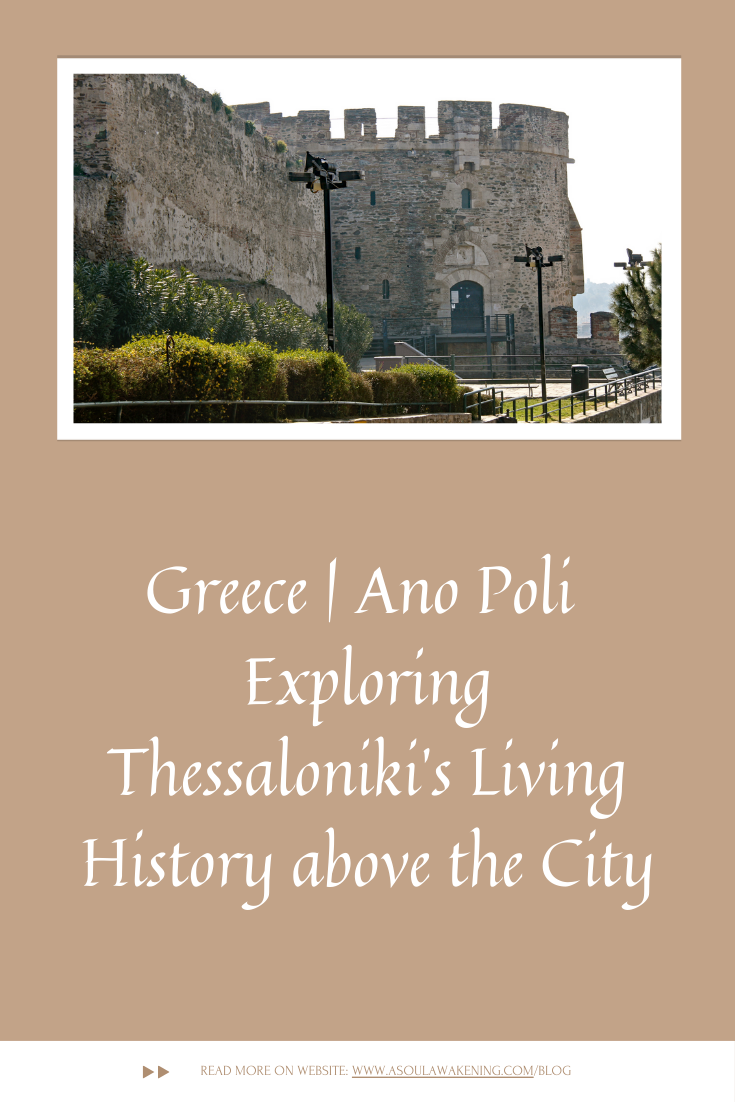
Ano Poli | Exploring Thessaloniki’s Living History Above the City
Perched high above Thessaloniki’s - GR: Θεσσαλονίκη waterfront, Ano Poli feels like a place where time seems in no hurry to move on. Known as the city’s “Upper Town,” it is the last surviving district of Thessaloniki’s old Ottoman era, miraculously spared from the devastating Great Fire of 1917. While much of the lower city rebuilt itself in wide boulevards and modern apartments, layered over its history, Ano Poli has preserved its character with narrow cobblestone lanes, colourful houses, and winding stairways that make you wonder what’s waiting around the next corner.
Walking here is less about getting from one landmark to another and more about allowing the laneways to guide you. Some paths lead to Byzantine churches tucked behind stone walls, while others open to tiny squares where locals gather for coffee, chatting away as they do in a way that makes you feel part of the conversation, even if you don’t understand every word.
From almost every turn, the Upper Town spills into view like aged tapestry, of colourful houses, domed churches, and sweeping views across the Thermaikos Gulf. It’s here, looking out over the city, that you feel Thessaloniki’s layers most vividly. Romans, Byzantines, Ottomans, and modern Greeks have all left their mark, each adding to the living story that still unfolds in these lanes.
Yet for me, the magic of Ano Poli lies just as much in the everyday moments as in the grand monuments: a cat stretched lazily in a sunlit doorway; laundry strung on balconies; and the faint scent of a home cooked meal coming from a nearby home. This is where Thessaloniki breathes gently, above the rush, yet firmly connected to the heart of the city below.
You can reach Ano Poli by hopping on bus routes 22 or 23, both weaving their way up into its hillside lanes. If you’d rather arrive at a gentler pace, a walk from the city centre is entirely possible, just allow around 40 minutes for the climb. The path is uphill, but with each step, the sounds of the city below fades, and replaced by the quieter day to day neighbourhood life.
Let’s begin our wander through the Upper Town.
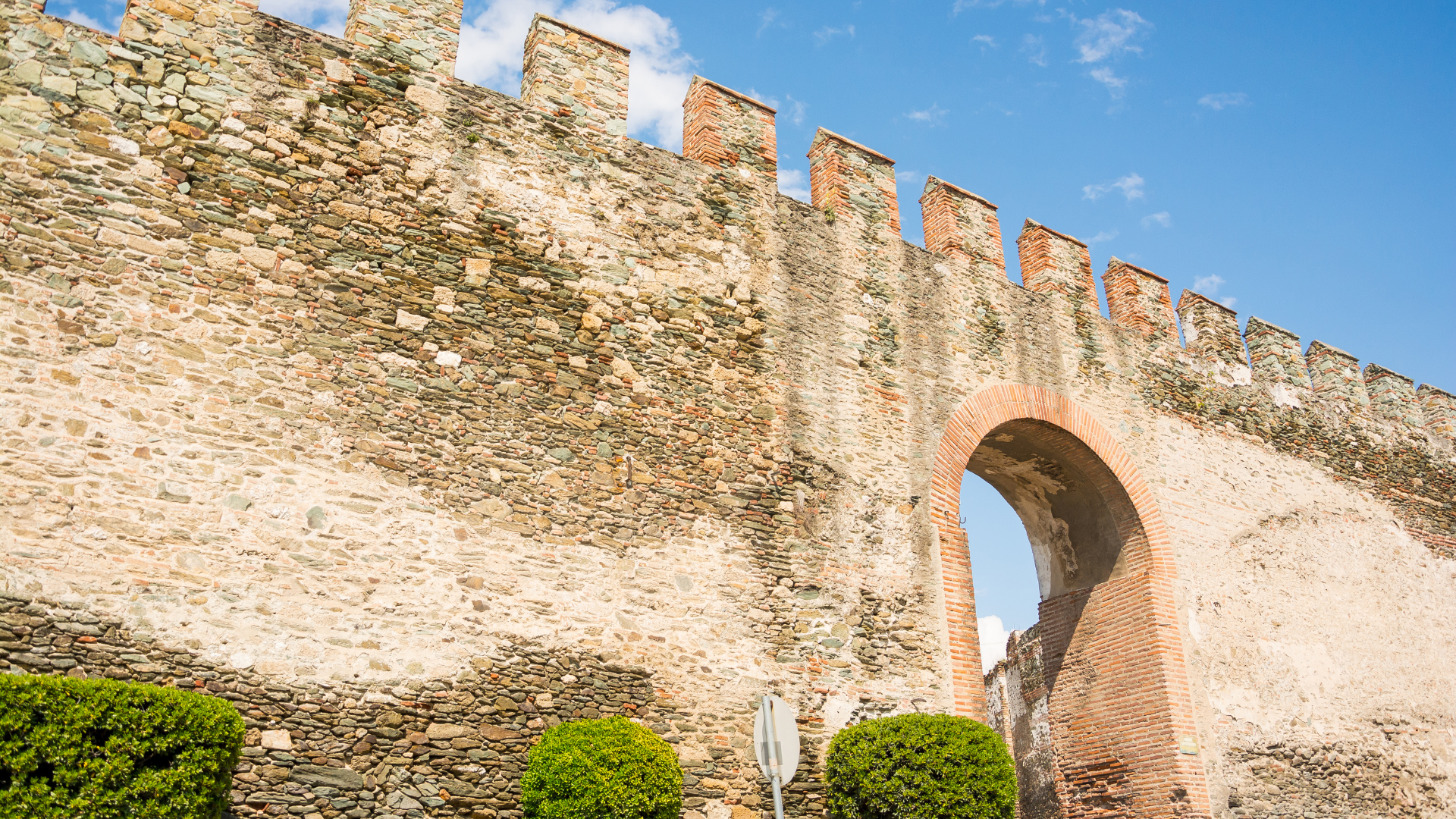
Taking bus route 23, I arrived near an entrance gate, and on disembarking, found myself at the doorway to Thessaloniki’s historic Upper Town. Stepping through the Portara, the grand main gate with its arched passageway that has welcomed visitors since Byzantine days, and where countless souls before me had passed with both anticipation and guarded eyes, felt as though I’d slipped through a seam in time.
The walls of the Heptapyrgion (also spelt as Eptapyrgio in modern Greek), translates to Fortress of Seven Towers, however, it actually has ten towers. During the Ottoman era, the fortress was known by as Yedi Kule (or Yedikule), which also means Fortress of Seven Towers.
The fortress standing as a strong and steadfast protector today as it did in centuries past. Once a formidable military stronghold and later a prison, it now offers a quiet, watchful presence over the city’s enduring spirit.
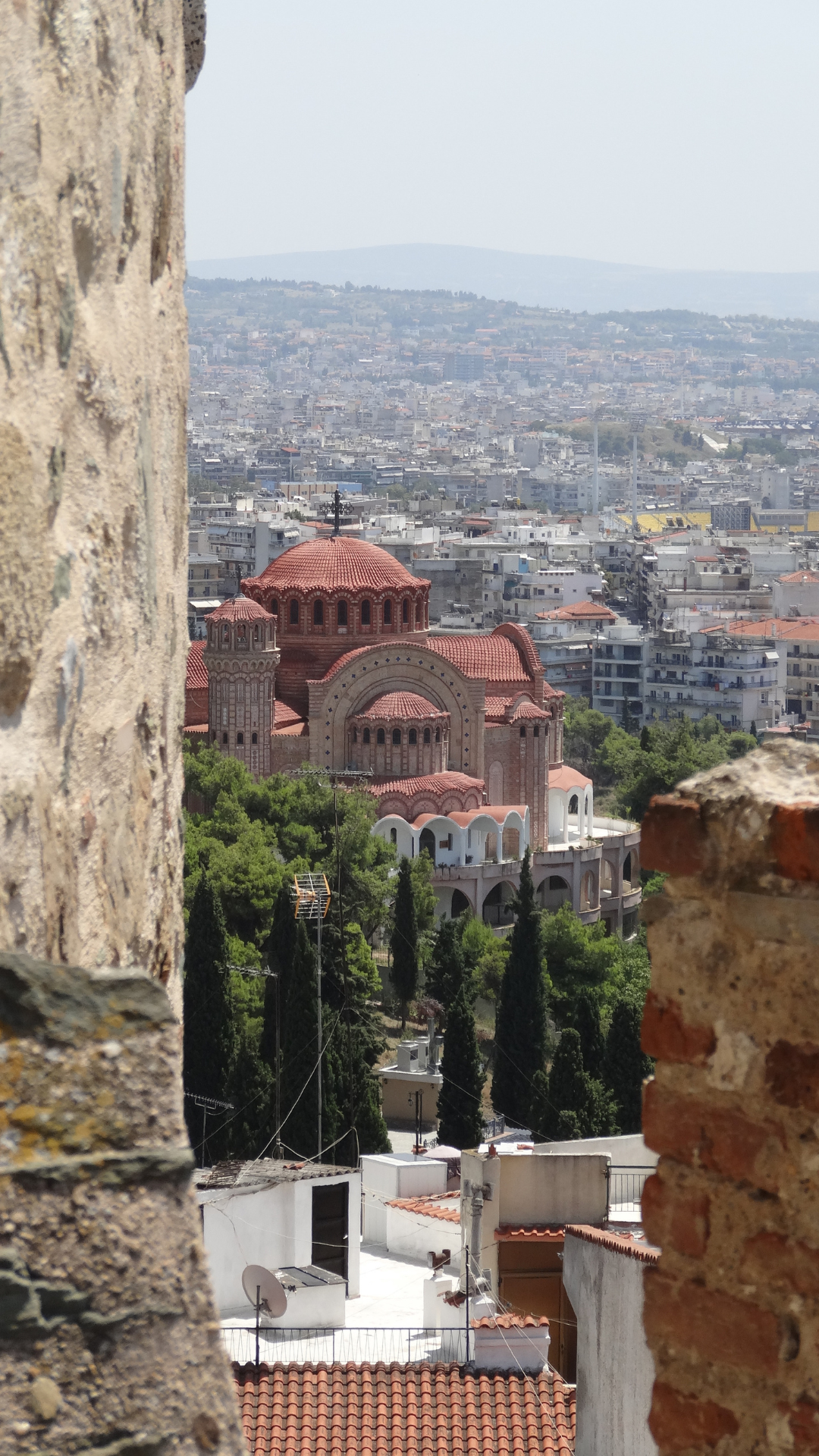
From the ramparts, my gaze falls to the red terracotta roof of the Church of the Holy Apostles, nestled in the landscape below. Built in the early 14th century under the patronage of Patriarch Niphon I, this Byzantine church once formed part of a monastic complex. Its intricate brickwork and surviving mosaics still hint at the splendour of an era when Thessaloniki was a thriving centre of faith, artistry, and empire.
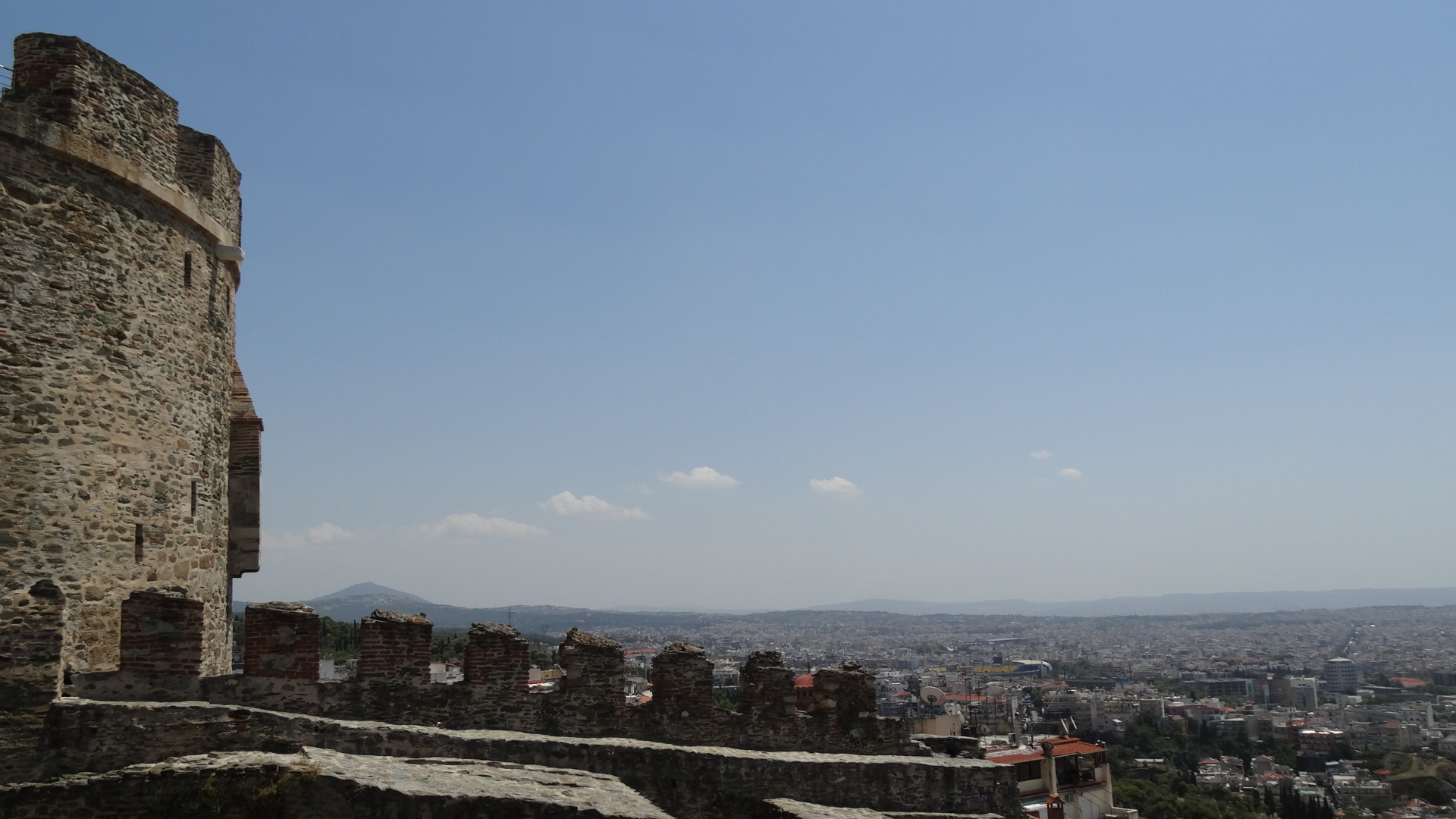
Stepping back from the ancient walls, the view shifts, opening to views of Mount Chortiatis, rising to the west, the sprawling city cascading below, and the Thermaikos Gulf stretching out to the horizon. Off to one side rises the Trigoniou Tower, that was built in the late 15th century by the Ottomans after Thessaloniki’s fall in 1430. Serving as an artillery tower and armoury until the 18th century, as part of the city’s defence, and today offers one of the most impressive views over the gulf.
Admiring the views from the platform beside the Trigoniou Tower, the city seems to spread out in every direction, the terracotta rooftops tumbling down the hillside, the Thermaikos Gulf and Mount Chortiatis out in the distance.
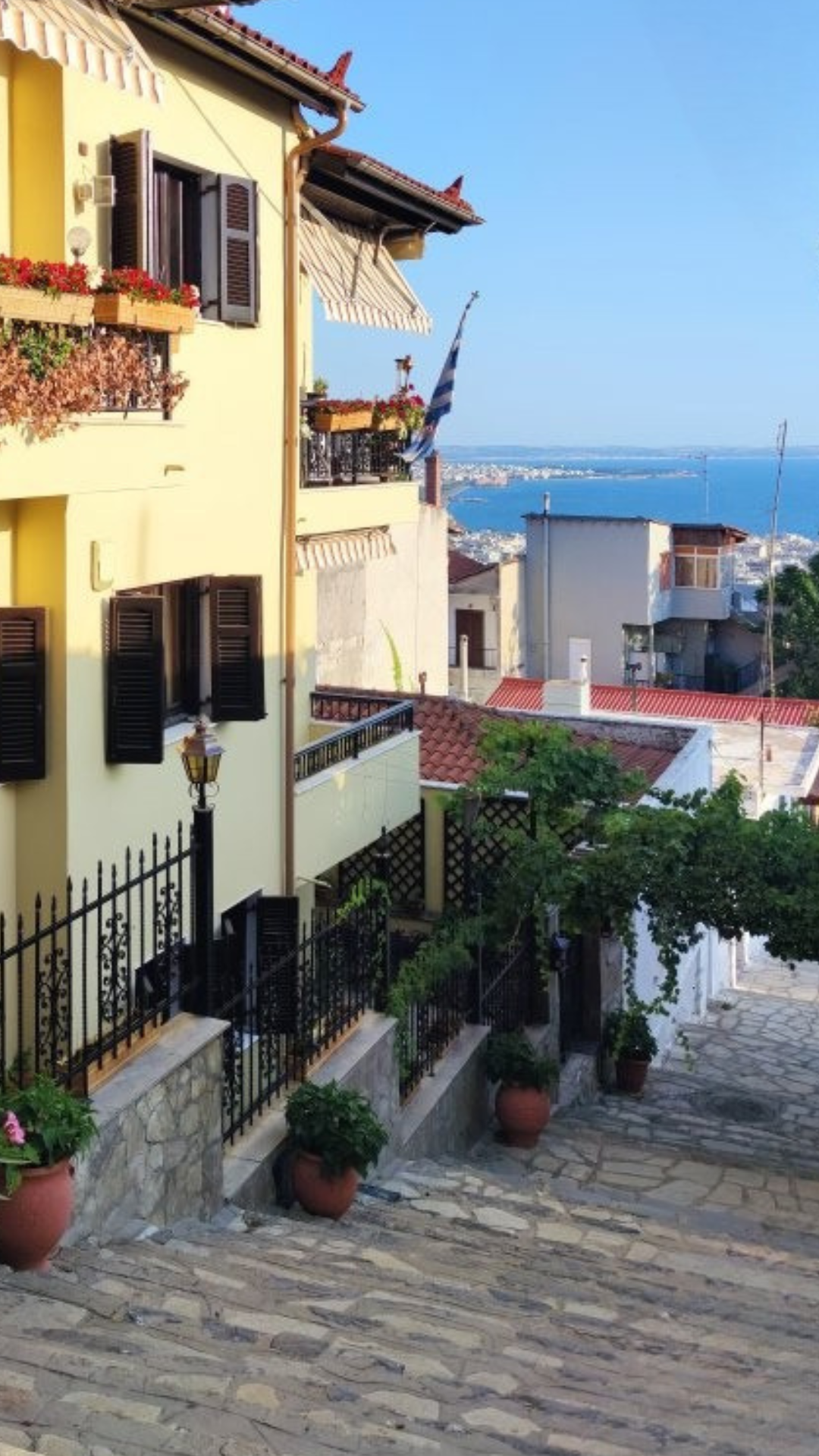
Turning from the view, I wandered down narrow cobblestone lanes that twist into stairways, each turn revealing a different splash of colour, and pots of flowers hanging on sunlit balconies. The houses, tucked close together, create a patchwork of shade and sunlight, with views stretching to the gulf far below.
Most of the lanes are too narrow to allow the passage of vehicles, which only adds to the village’s appeal, lending itself to leisurely wandering and thoughtful musings.
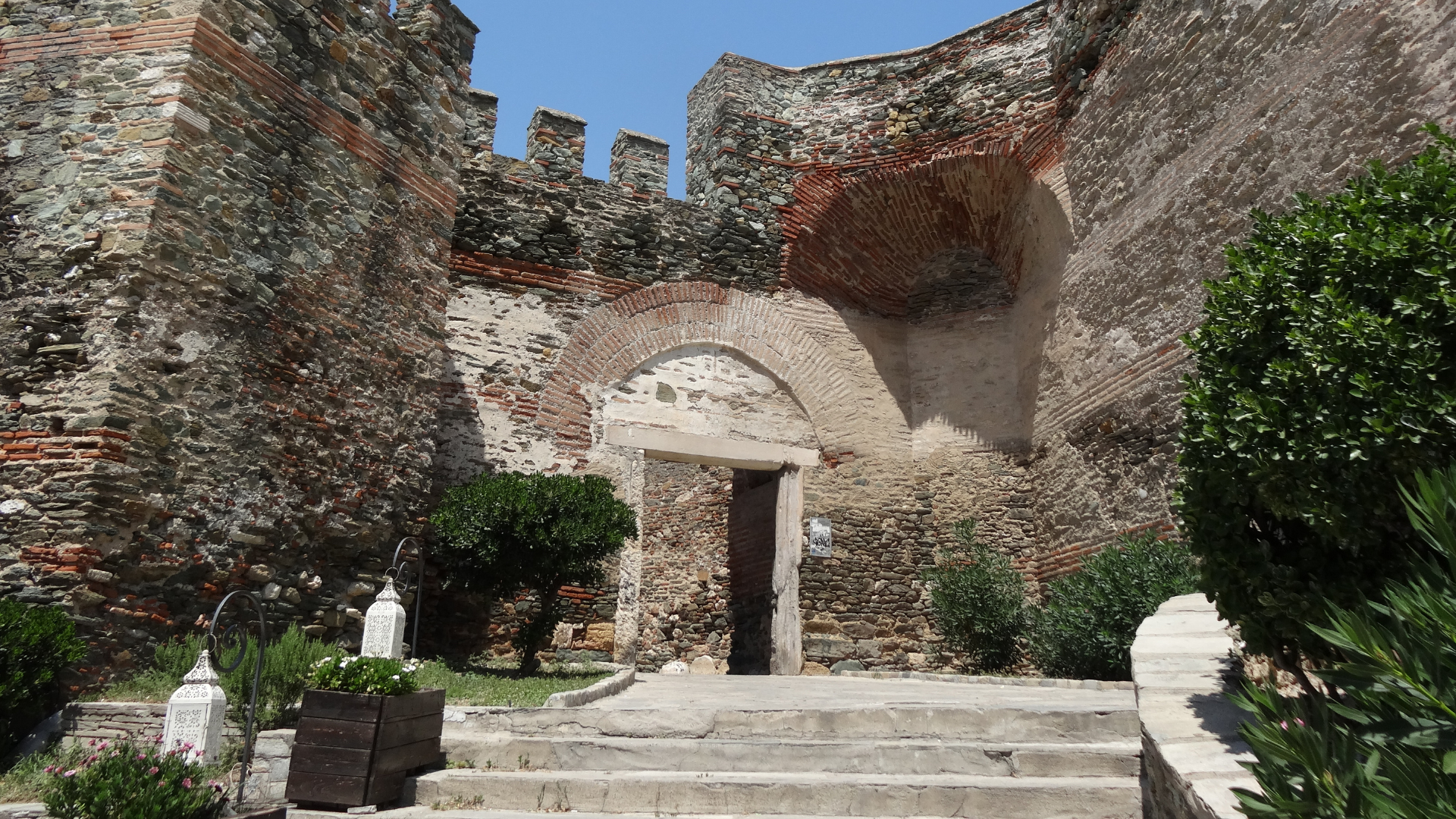
From the bottom of layered old stone staircase, I wandered through the thick stonework arced entryway, built into the crenellated battlements that forms part of the Ottoman fortification inner walls, to find myself in Tsinari Square. A charming little square where the past seems to happily blend with the present. A small and unassuming location, that feels like a humble meeting place in the labyrinth of Ano Poli.
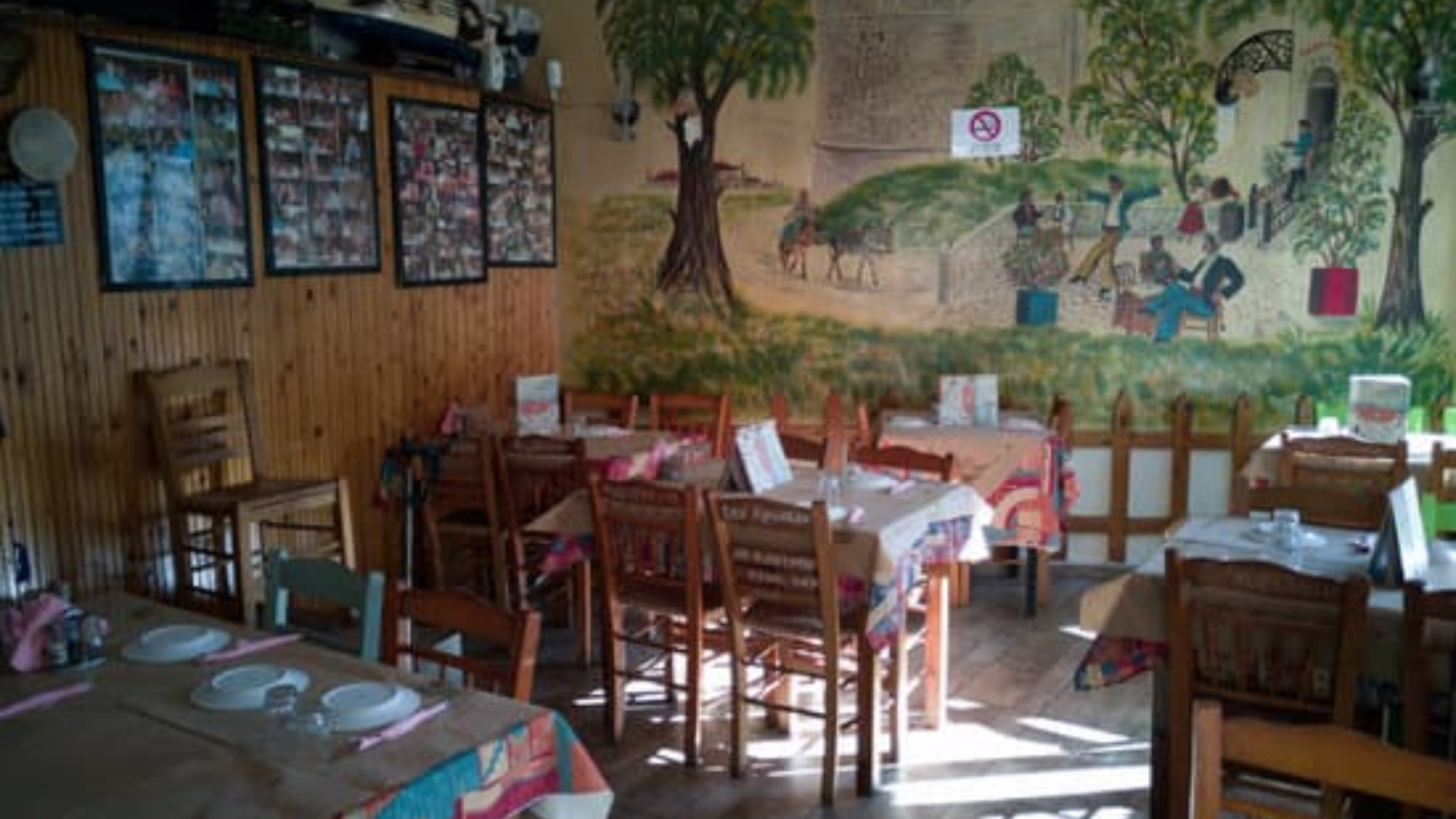
Here, you find the Taverna Kastro, where wooden tables and chairs, and the aroma of home cooked food invites the easy chatter of locals and travellers alike. I settled in for lunch, where the flow of local life wrapped around me, and for a moment, I felt the lived in warmth of this Upper Town weaving into my own memory, as naturally as geraniums spill over sun worn balconies.
A delightful meal, and a chat with some locals in my best Greek, and it was time to explore more of the Upper Town’s history. Over plates of grilled vegetables and fresh bread, they suggested I visit the Vlatadon Monastery, a worthy stop, they assured me, for both its history and its views.
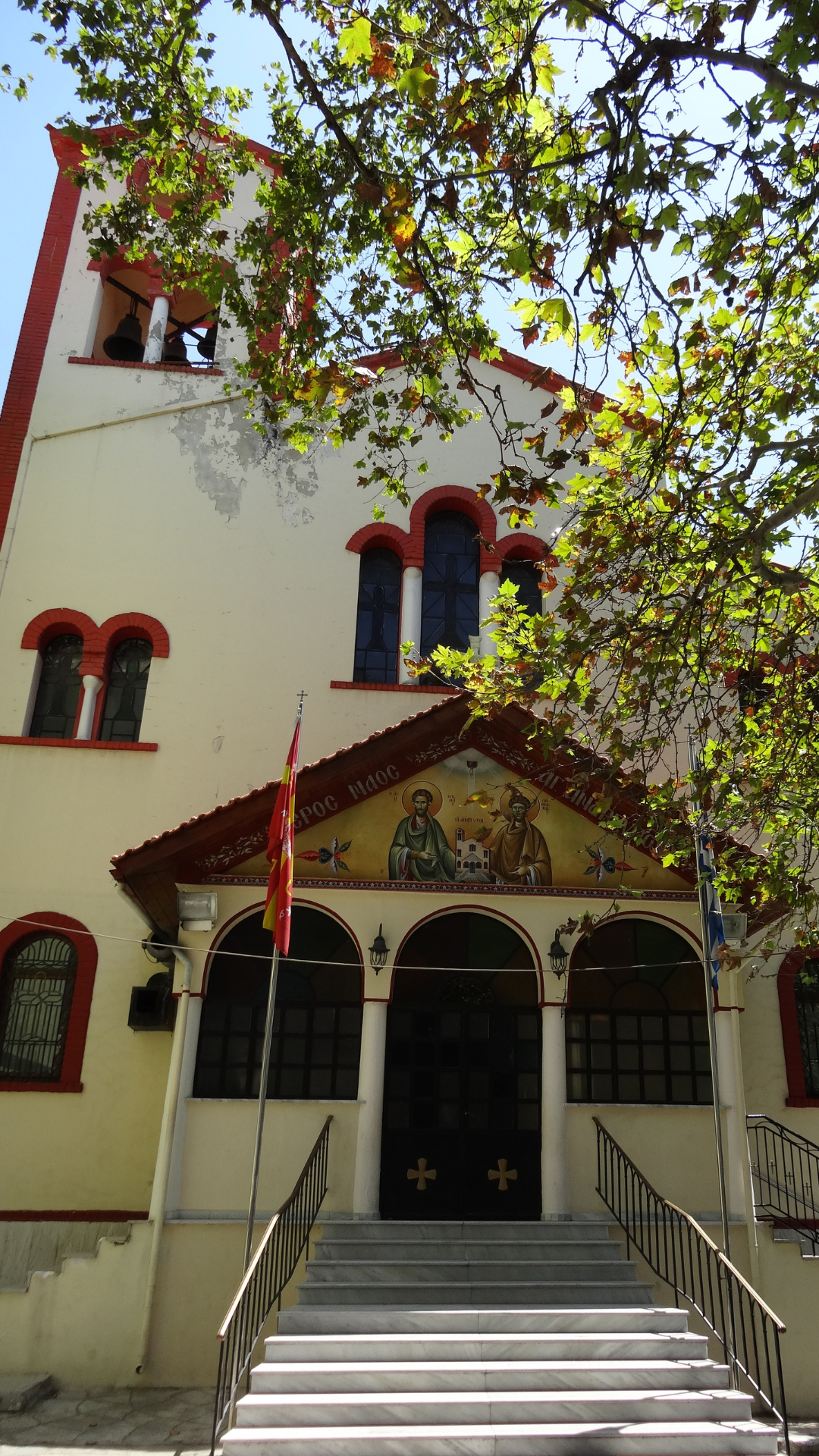
As I meandered through the Upper Town, the layers of ancient stone and worn cobblestones guiding my footsteps. I stopped to admire the little church of Agioi Anargyroi, dedicated to Saints Cosmas and Damian, the Holy Unmercenaries, who are revered for healing without charge.
The small church seen today dates from 1959, however the site holds a rich and layered history replacing a monastic church first mentioned in 9th-century texts. Following the Ottoman conquest, this sacred space was transformed into the Popara Baba Mosque, before later being lovingly restored to its original Christian purpose.
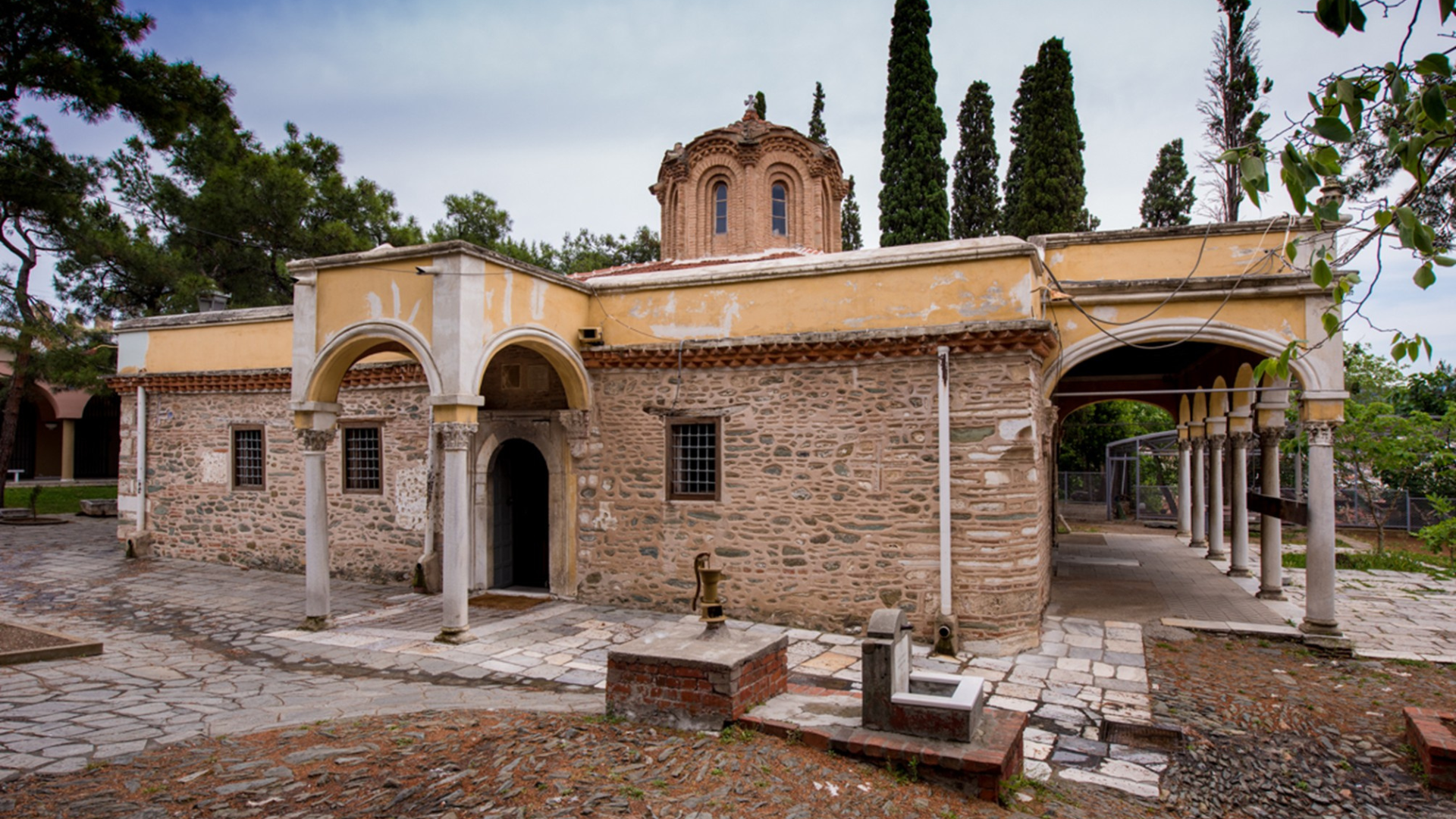
From there, I followed quiet lanes that drew me uphill towards the highest point of the Upper Town, just below the Acropolis and the Heptapyrgion. Soon, I was standing before the Vlatadon Monastery, also known as the Monastery of the Transfiguration, a 14th century working Patriarchal foundation and the leading monastery of Thessaloniki. Recognised as part of the UNESCO World Heritage listing for the Paleochristian and Byzantine monuments of Thessaloniki, it remains closely tied to the Holy Mountain of Athos and serves as a theological research centre, with its library preserving rare and ancient manuscripts, including a recently uncovered work by the physician Galen.
It is believed, that this is the very spot where St Paul preached to the Thessalonians, and that St Gregory Palamas once lived here as a monk. Whilst I was unable to go inside, the locals who recommended I visit the monastery commented that, within its walls, the faint scars of hammer marks still deface the frescoes, as remnants from the Ottoman period when plaster was used to cover over Byzantine mosaics and paintings to erase their Christian imagery.
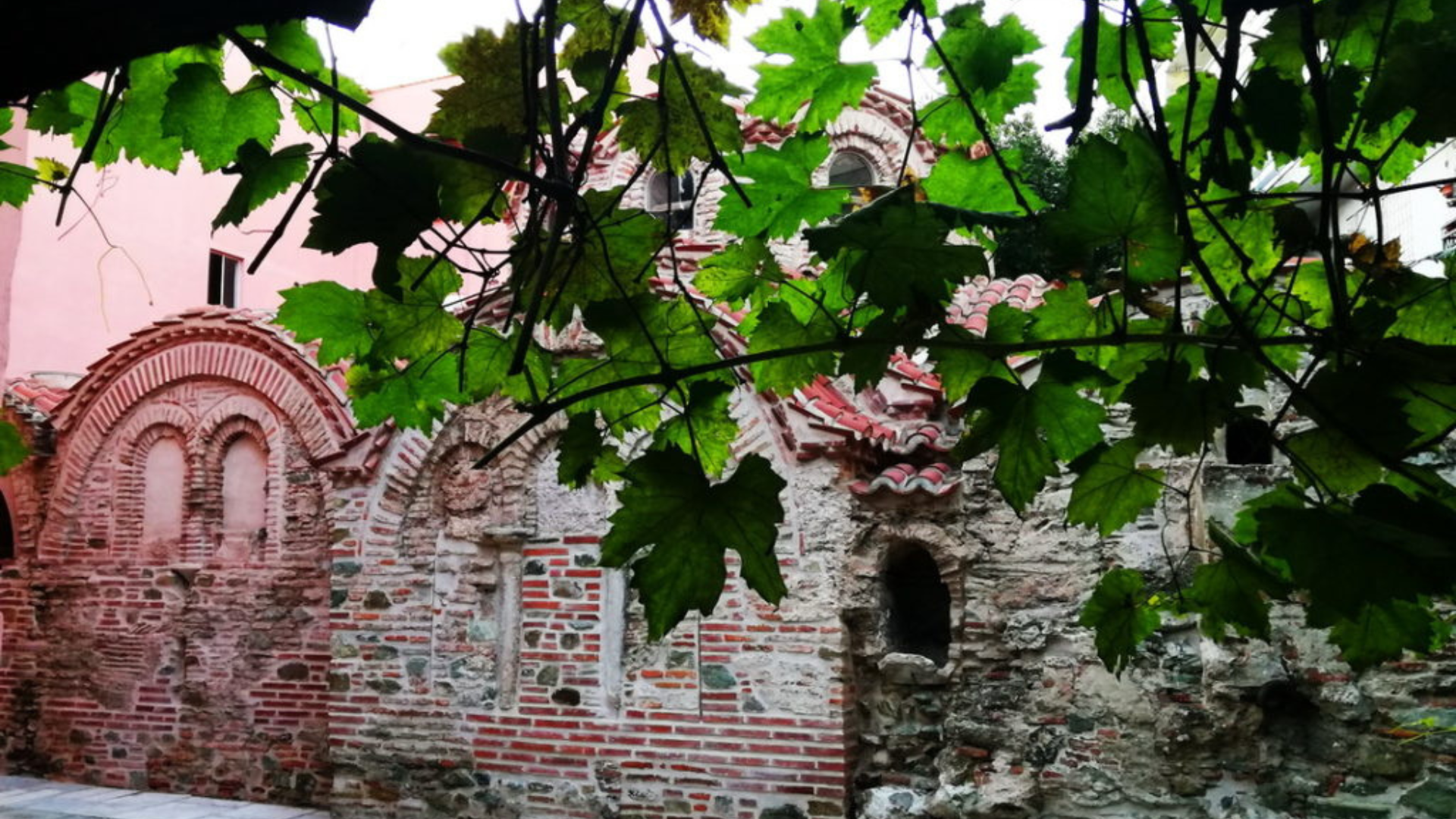
From the Vlatadon Monastery, I made my way back towards the old town centre to the Byzantine Baths, officially known as the Baths of Paradise, one of Thessaloniki’s surviving Ottoman era hammams and now a UNESCO World Heritage Site. These public baths in Ano Poli where in continuous use for over eight centuries, and among many referenced in Byzantine texts, yet this is the only one still standing today. In 1940, the Baths of Paradise finally closed their doors.
The name itself carries a poetic weight; in Ottoman culture, bathhouses were more than places for cleansing; they were havens of restoration, thought to offer a small taste of paradise. The imagery drew on the Qur’an vision of serene gardens and flowing waters, where the act of purification was as much for the soul as it was for the body. Anyone who has personally experienced the pleasure of a traditional Turkish bath would understand that sense of indulgent renewal, regardless of their own religious perspective.
Inside, you can trace the bathing experience as it once unfolded, beginning in the apodyterium, the undressing room, followed by the warm tepidarium to relax and prepare for the bath, and culminating in a hot caldarium where steam filled the air. These baths retained their importance, not only for hygiene and relaxation but also as places to prepare for worship. In many ways, they were social and cultural hubs, where daily life, ritual, and community joined.
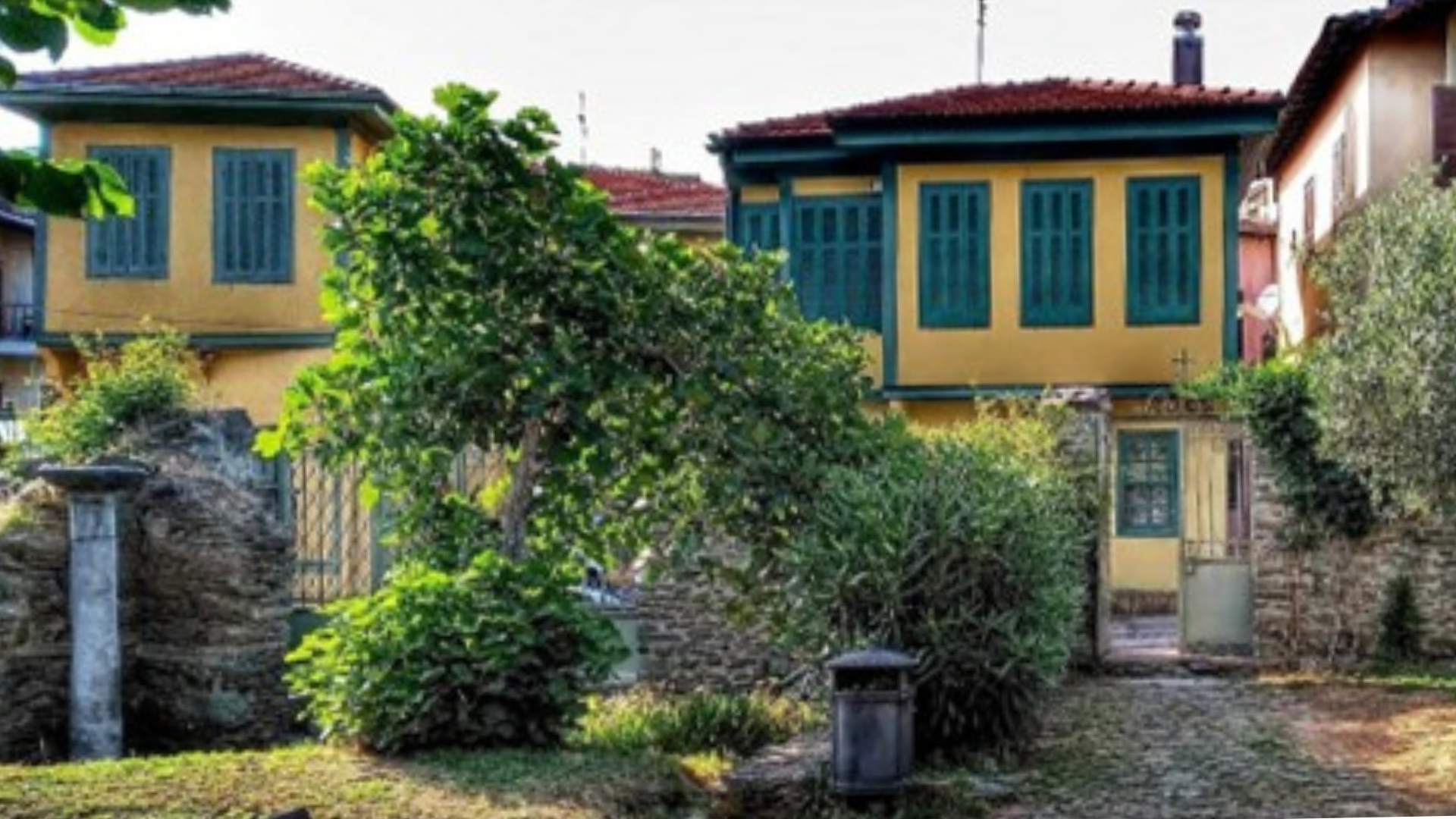
As I wandered in the general direction of the village, a short walk away, a sign caught my attention, pointing towards St Nicholas Orphanos Church. Just opposite the church, a quiet village street lined with brightly coloured houses made for a picture perfect moment, the scene bursting with charm.
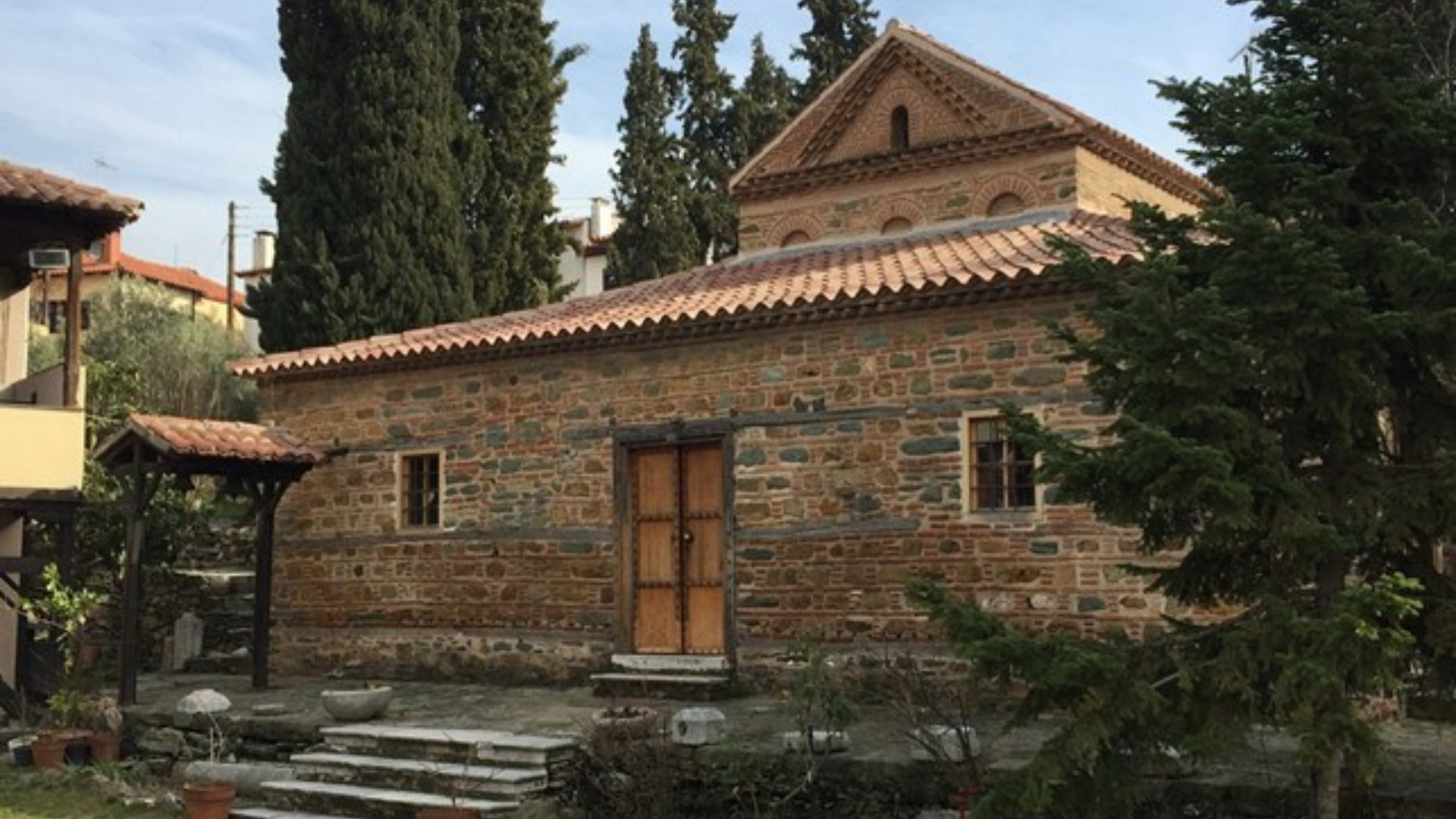
This Byzantine treasure, recognised as part of UNESCO’s cultural heritage, is believed to have been built in the early 14th century. Its name, 'Orphanos', meaning ‘orphan’, is something of a mystery, with theories ranging from a founder who cared for orphans to the church’s possible association with an orphanage long lost to time.
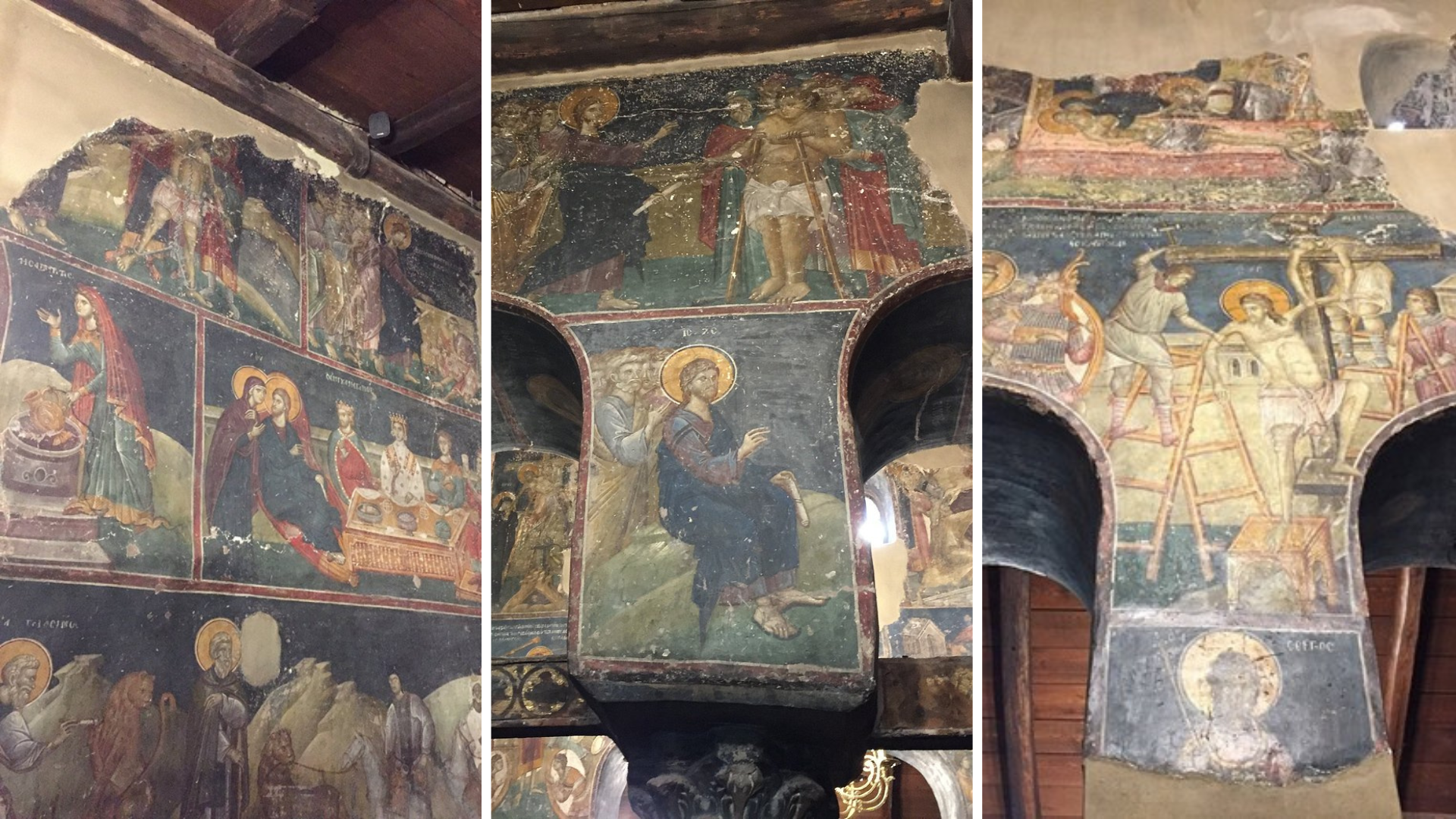
Unlike many other places of worship in Greece, it was never converted into a mosque during the Ottoman era. This fortunate history has allowed its 14th century frescoes to survive in remarkable condition, each one revealing exquisite detail and the artistry of a bygone age.
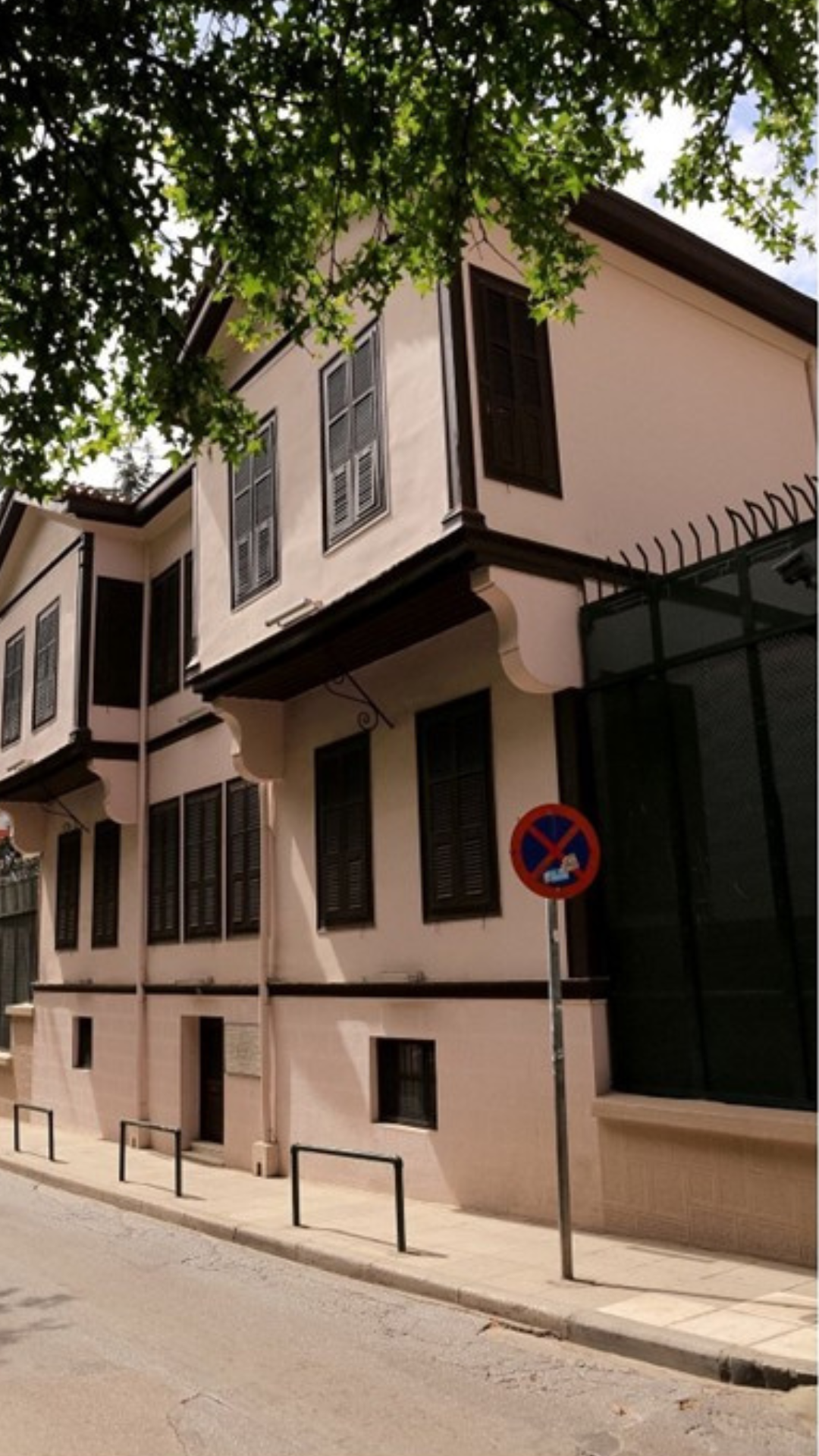
Less than five minutes’ walk from St Nicholas Orphanos, my wandering feet carried me past a graceful late Ottoman era house, where a small sign revealed its significance; the Atatürk Museum, once the birthplace of Mustafa Kemal Atatürk, founder and first president of modern Turkey.
Built in 1870, the house remained a private residence until 1953, when it was gifted by Greece to the Turkish state and opened as a museum. Though I didn’t step inside, I paused to imagine its rooms much as they once were: original furnishings, family photographs, and treasured possessions telling the story of a young boy who would go on to shape a nation.
Here in the quiet streets of Ano Poli, the house stands as a reminder of Thessaloniki’s layered history, when the city’s cultural threads were woven into the Ottoman Empire.
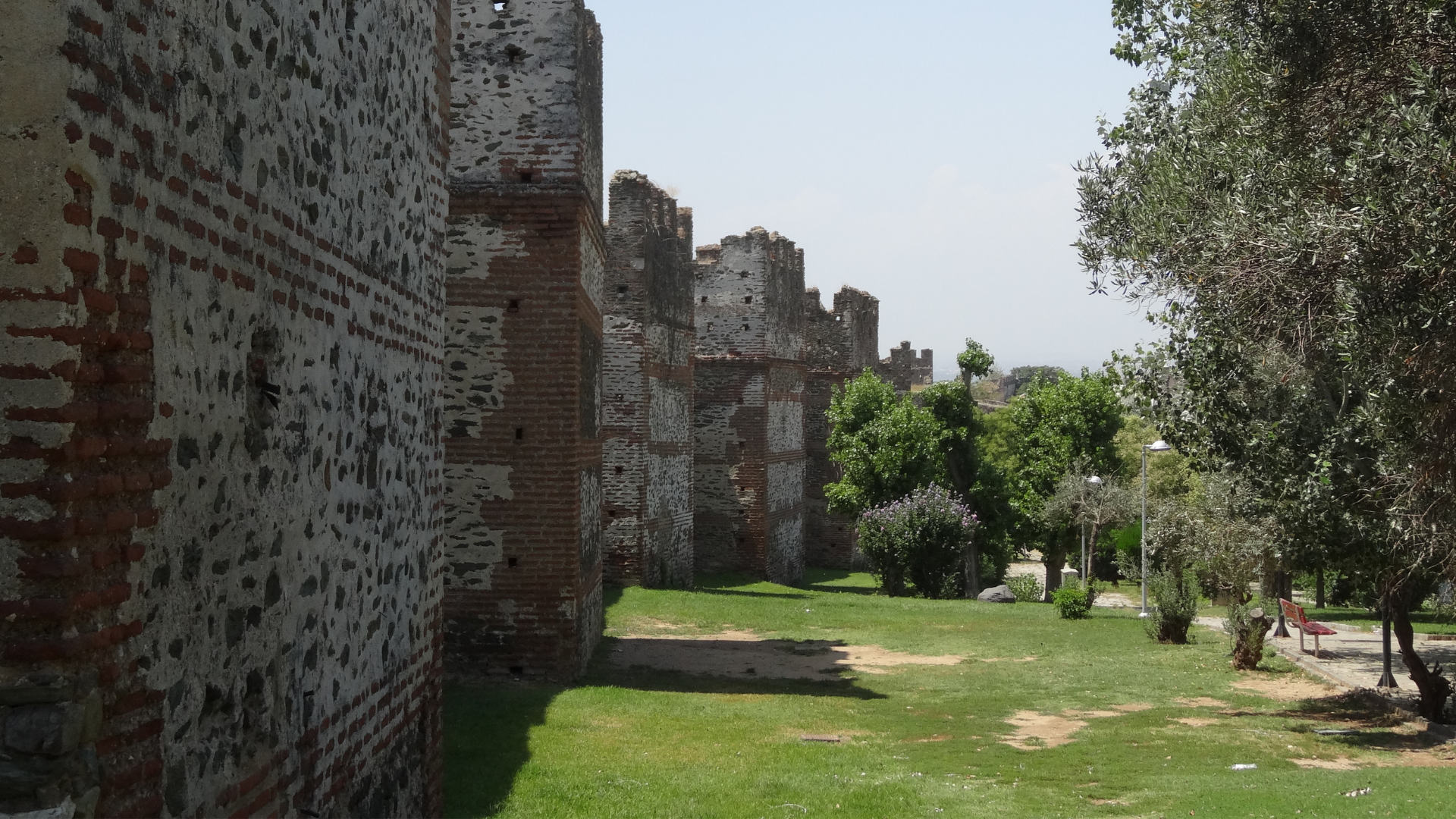
By now, the afternoon light was softening, and I hoped to catch the sun casting its golden glow over the Heptapyrgion. Wandering in that general direction, I followed the line of the inner walls, where a path lined with green grass, scattered trees, and simple benches offered quiet moments for reflection. The ancient stonework rose high beside me, its weathered surface telling of centuries of endurance and decay, the missing stones a quiet reminder of this old town’s long and layered story.
The path curved gently, drawing me onwards until the walls began to climb higher and the outline of the Heptapyrgion emerged against the late afternoon sky.
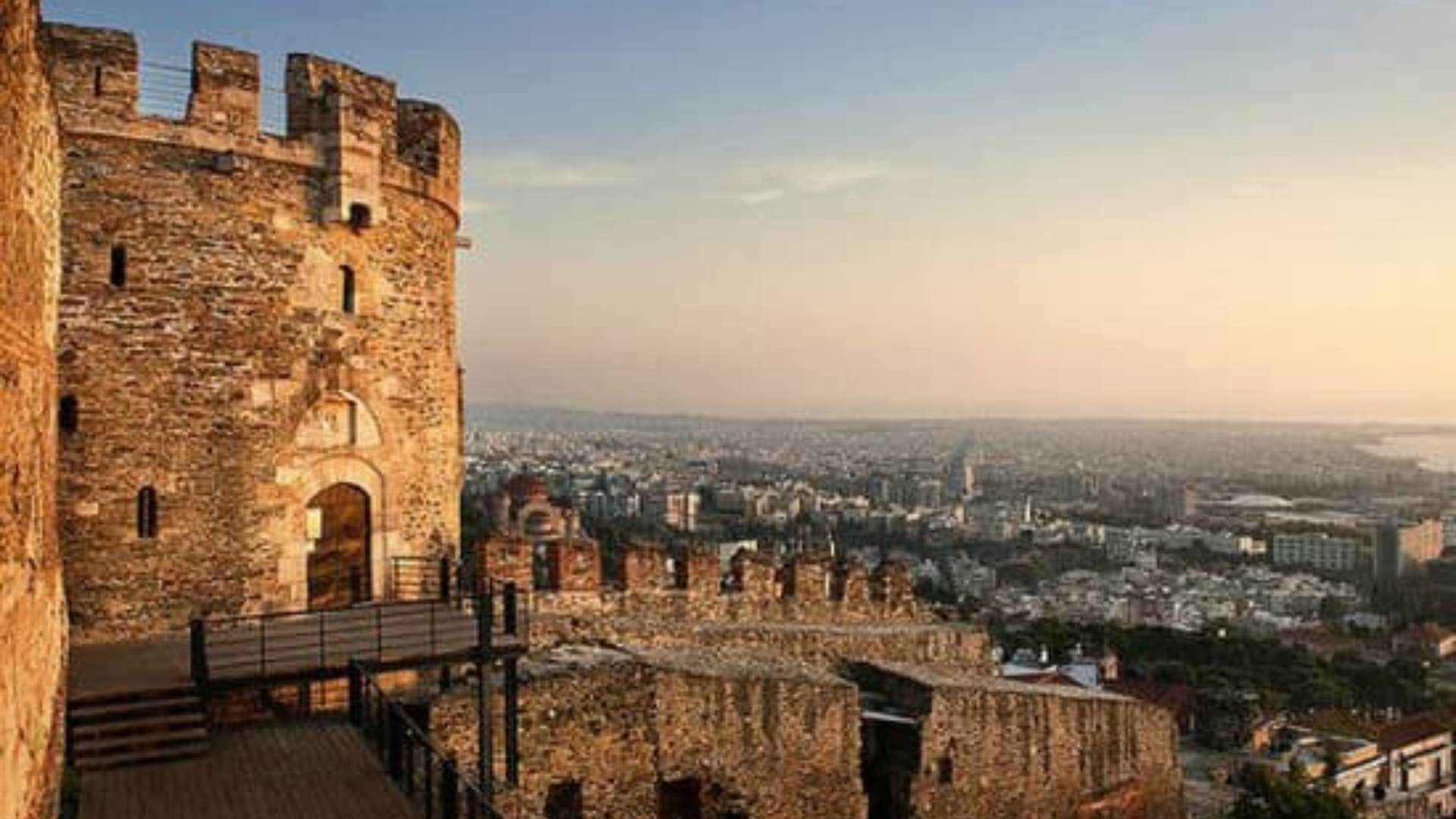
Perched at Thessaloniki’s highest point, this formidable fortress, glowed in warm tones, the sun softening the severity of its thick Byzantine and Ottoman defences. Standing before it, I could almost feel the weight of its history: a Byzantine stronghold, later an Ottoman garrison, and in more recent times, a prison whose walls kept less watch over enemies than over the city’s own people.
As, I gazed outwound, I reflected on, my personal planetary lines that remained much the same here as in the city below, but the energy shifted in subtle, unmistakable ways. Mars and Pluto both cross this region in my astrocartography, and I wasn’t surprised to feel flashes of intensity. These planetary influences often demand transformation, stir deep emotions, and nudge one beyond their comfort zones, and Ano Poli, with all its contrasts and layered history, delivered exactly that.
Yet woven through its encounters were quiet gifts: a shared smile with a local, the warmth of lunchtime conversation, and a gentle reminder that connection often appears in unexpected moments.
There was also the balancing touch of Venus, lending its tones of self-care and appreciation of beauty, alongside the dreamlike haze of Neptune, bringing inspiration and a soft filter through which to see the world. Between the rich colours of painted houses, the stone pathways, where no cars can pass, and the way the Old Town’s stories seem to linger in the air, I found myself moved by a harmony of past and present.
Ano Poli isn’t a museum piece. It’s a living, breathing neighbourhood where the past and present walk side by side. And if you let it, it will walk with you long after you’ve left its hilltop embrace.
It was time to catch the bus.
See you soon,
Consider signing up to receive new Soul Travel blogs, travel reflections, and astrocartography insights as new destinations are shared.

✨ If this story resonated with you, you are warmly invited to continue the journey in a way that feels aligned with you.

✨ Explore personalised insights through consultations
✨Begin with ‘The Journey’ Orientation
✨Listen to Destined Places podcast stories
✨Save and share Soul Travel inspiration on Pinterest