Sth. Australia | Granite Island - Where Ancient Stone Meets the Southern Ocean
Whilst living and working in South Australia’s capital, Adelaide, for a couple of years, I, like many locals, spent summer weekends exploring the state’s southern wineries, from McLaren Vale to the rolling coastal landscapes of the Fleurieu Peninsula. During many of those weekends, I would often find myself in Victor Harbor, around 80 kilometres southwest of Adelaide. When time permitted, an overnight stay in Victor Harbor was a little luxury, a chance to linger in the town, enjoy its evening coastal charms, and learn more about the traditional owners of this land.
Long before British ships appeared along this coastline, the Fleurieu Peninsula was home to the Aboriginal Ramindjeri people, one of the many clans of the Ngarrindjeri nation whose traditional lands extend across the lower Murray River, the Coorong, and the surrounding Lake Alexandrina and Lake Albert.
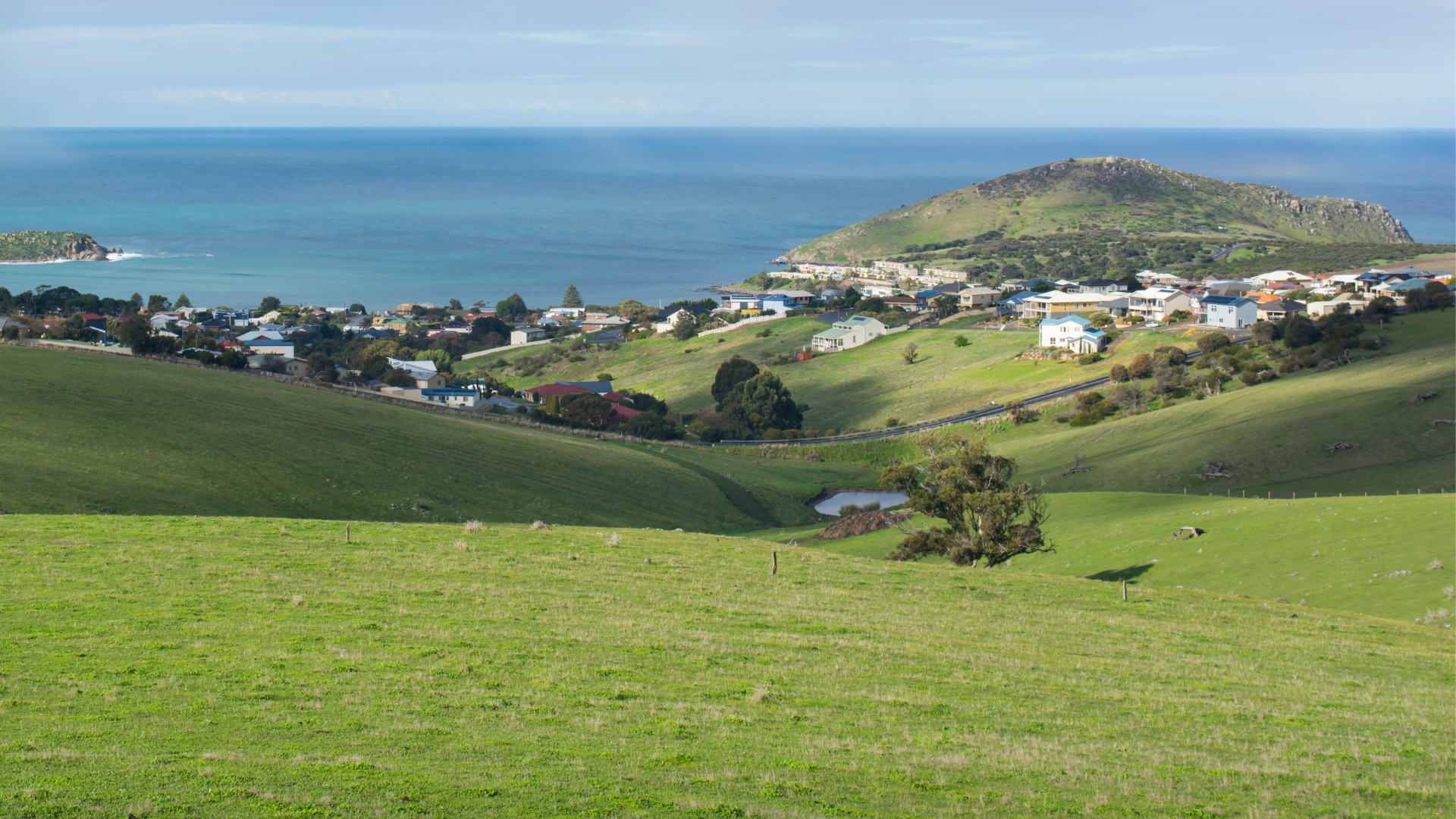
The area now known as Victor Harbor was traditionally called Wirramulla, forming part of the wider cultural landscape of the region and the Ramindjeri people for many thousands of years.
Victor Harbor carries with it a fascinating piece of South Australia’s early settler history and, intriguingly, is spelled without the “u”, despite the usual Australian spelling of harbour. The name comes from the British naval ship HMS Victor, which anchored in the bay in 1837, enroute from Sydney to the Fremantle colony, in Western Australia. Its captain, Richard Crozier, named the sheltered waters after his ship, originally recording it as Victor Harbour, with a “u”, following the traditional British spelling of the word.
During the 1860s, a settlement grew along these shores and became known as Port Victor, serving the early free settling population arriving in South Australia. Unlike the penal colonies further east and west, South Australia had been established as a free settlement, attracting migrants largely from England, Scotland and Ireland, along with a notable number of German settlers who made their homes throughout the region.
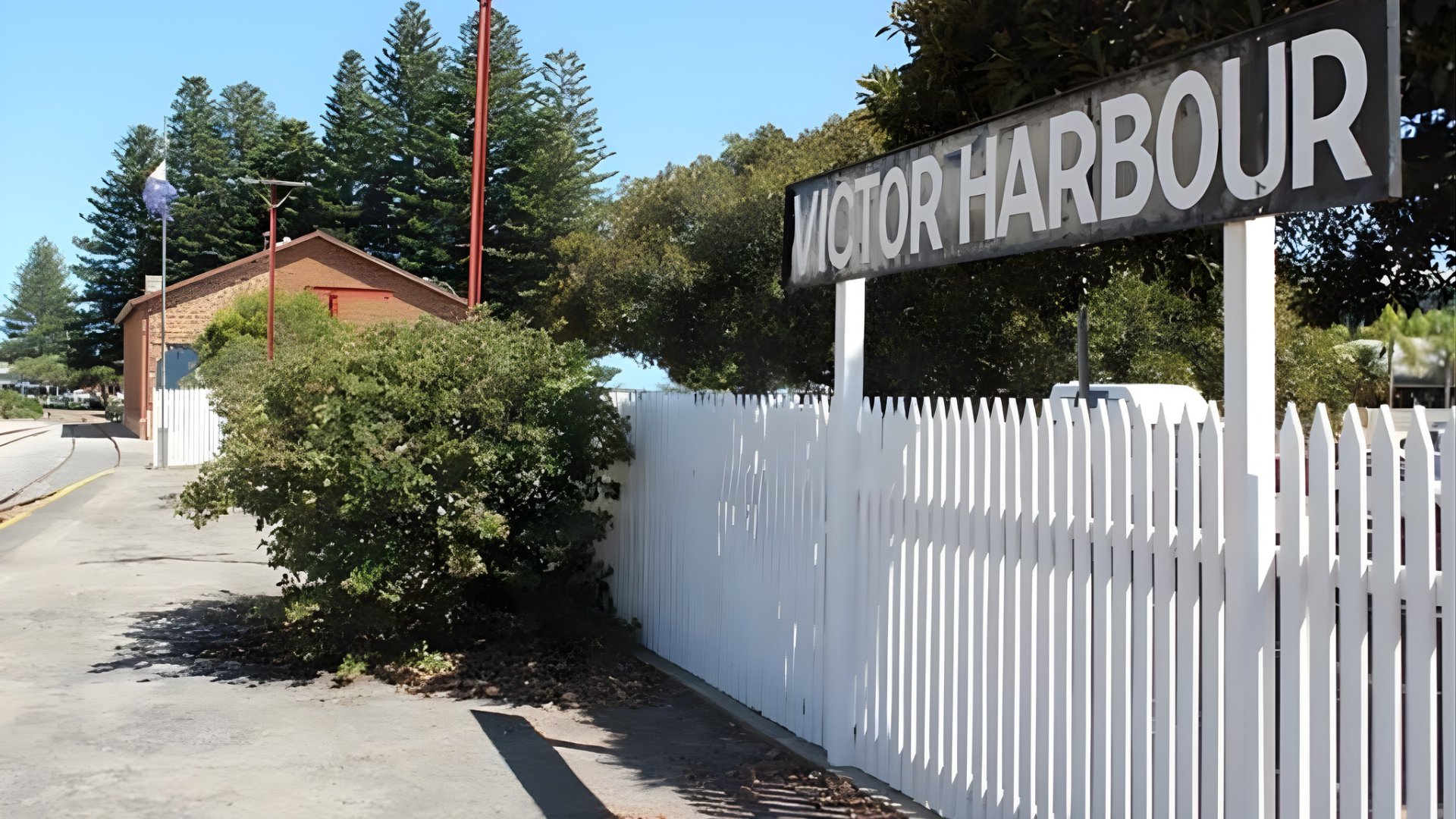
The curious modern spelling of Victor Harbor, without the u, emerged during the early twentieth century. Official records appearing in the South Australian Government Gazette during the 1920s show the name formally adopted in its shortened form. Yet the original spelling hasn’t entirely disappeared, with the local railway station long retaining Victor Harbour, quietly preserving a link to the town’s earlier foundations.
Beyond the name, this landscape is rich with creation stories, and is deeply tied to the sea, even before the arrival of early foreign industries. In the late 1830s, two whaling stations operated in the bay: one near Rosetta Head, often known locally as The Bluff and traditionally as Longkuwar, and another close to Granite Island, traditionally called Kaiki.
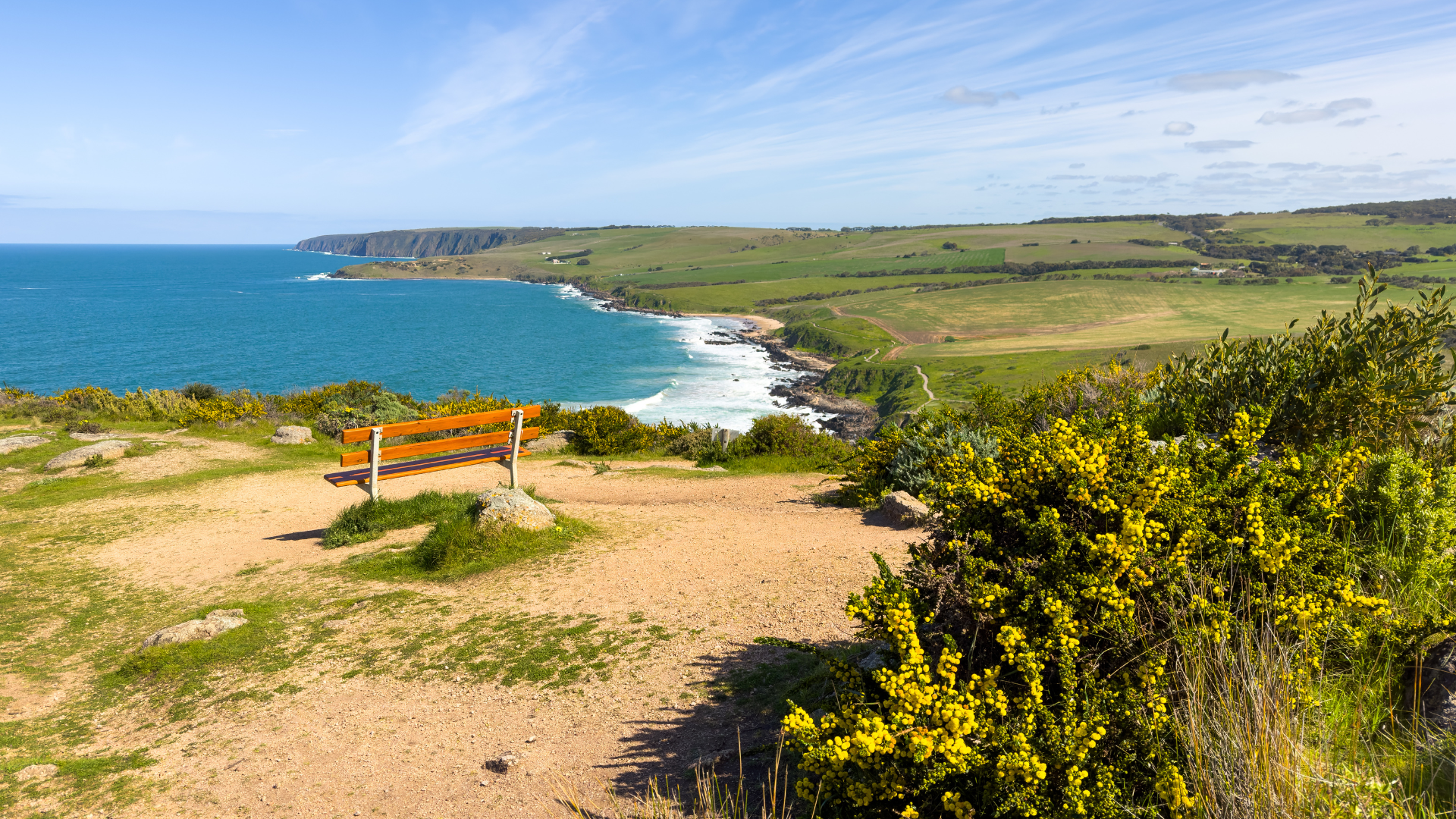
According to the traditional Ngurunderi Dreaming, The Bluff was formed when the great ancestral creator Ngurunderi threw his club (plonggi) to create the rugged headland, and his spear (kaiki) to form the nearby island.
It was during this early colonial period that the first non Aboriginal inhabitants arrived in the area around what became known as Port Vitor. Many were fisherman, whalers and sealers, some of whom jumped ship and settled along the coastline. Whaling quickly became South Australia’s first export industry, with whale oil and related products shipped from the bay.
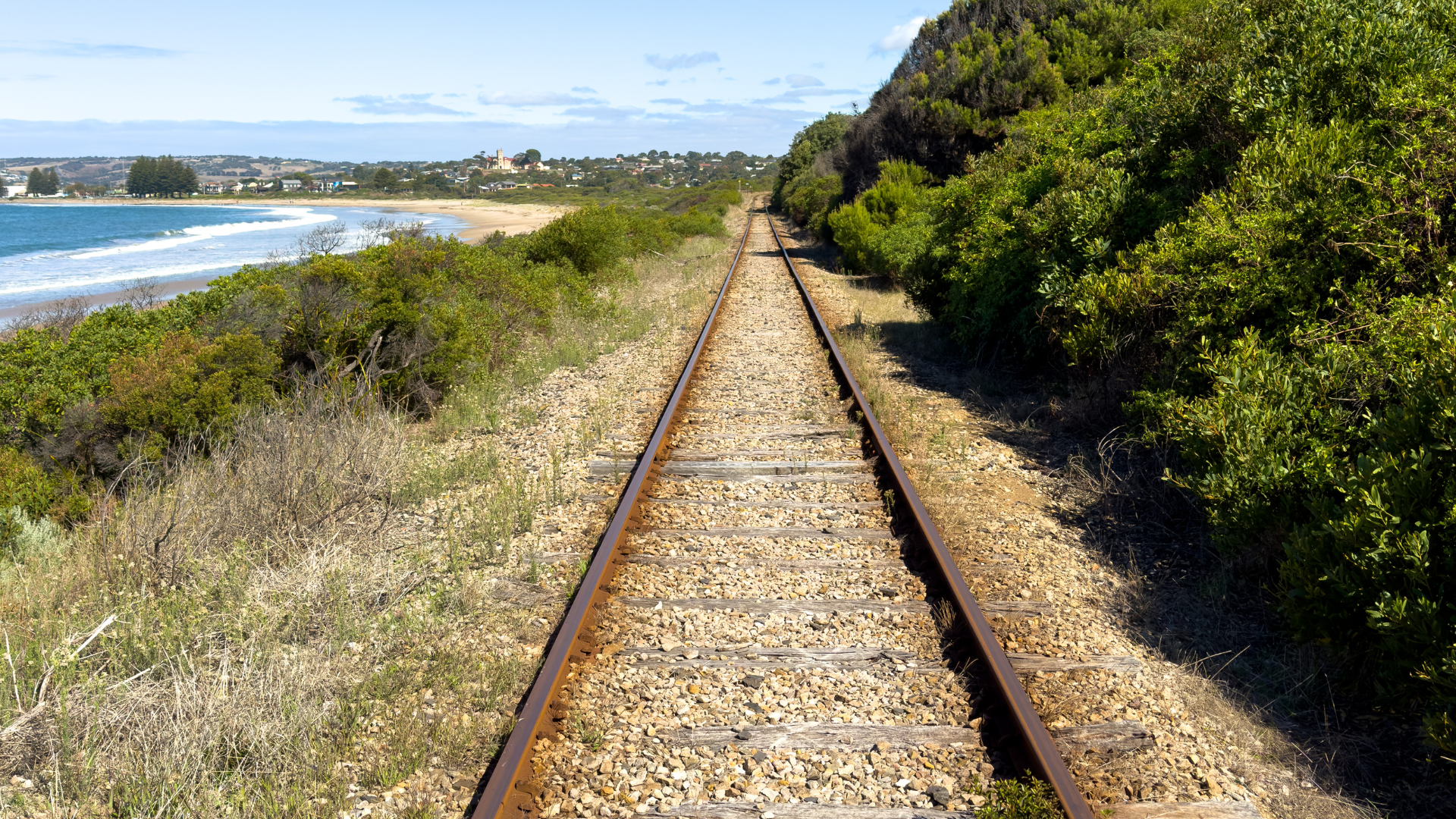
With this growing maritime trade, the settlement began strengthening its links to the mainland. In 1864, the South Australian Railways reached Victor Harbor, connecting inland produce and wool routes to the coast. Just a few years later, in 1867, the tramway from the nearby river port town of Goolwa, around 19 kilometres away, was extended to the harbour and across the shallow waters to Granite Island, forming what became known as the Causeway, officially named Kaldowinyeri Yarluki, meaning ‘Dreaming Track’.
Originally, however, the Causeway served a far more practical purpose. The waters close to shore at Victor Harbor were too shallow for many trading vessels, so a jetty was constructed on Granite Island, where ships could anchor in deeper water.
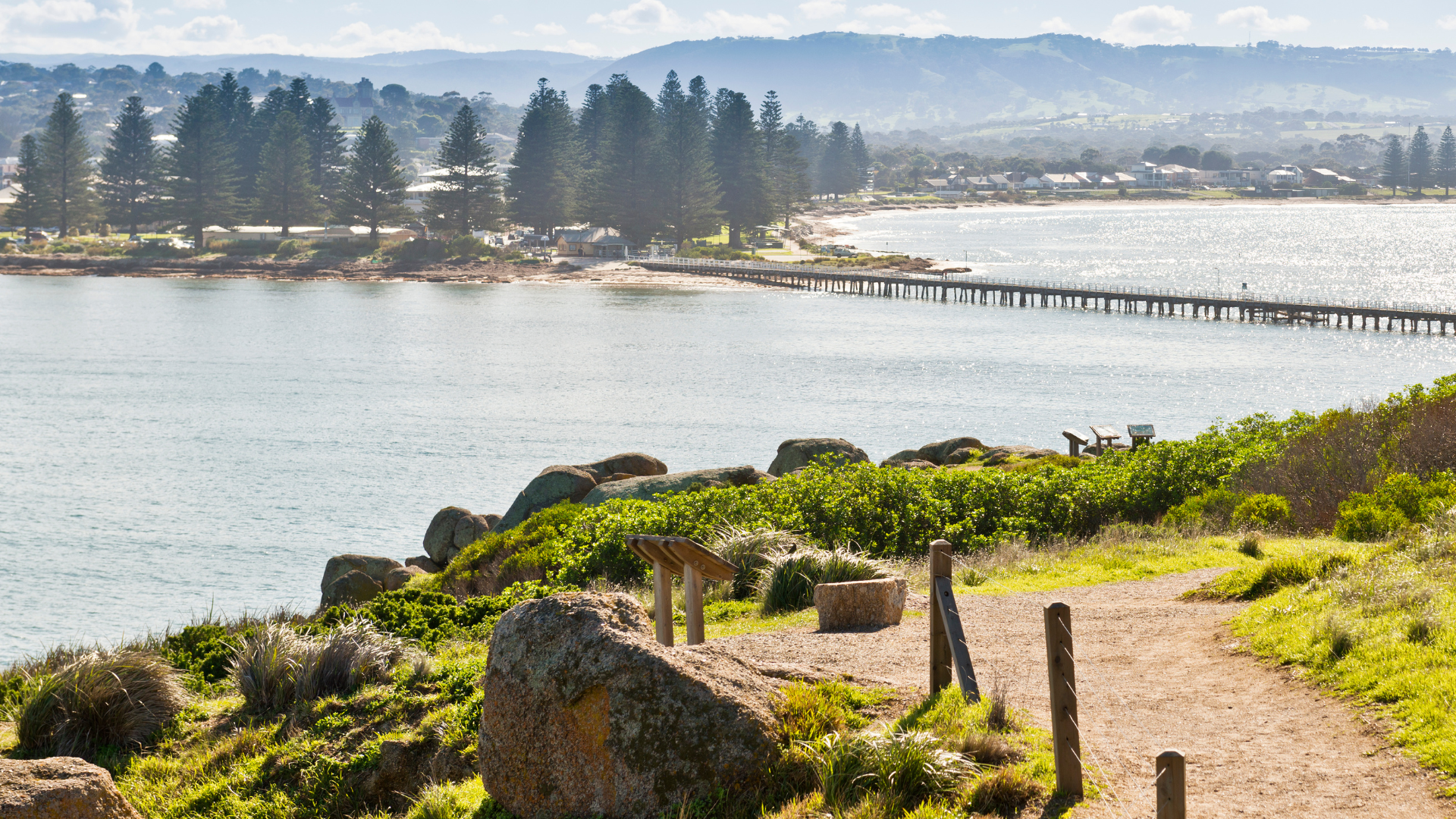
A railway track was laid across the narrow 630-metre link, allowing goods wagons, typically horse drawn rather than pulled by locomotives, to reach a working jetty built on the island’s deeper waters. Produce arriving by rail from inland districts were transported along the Causeway to the island, then loaded onto vessels bound for other ports. For a period during the late nineteenth century, this modest island played an important role in South Australia’s coastal trade network.
The final whale taken from the waters off Port Victor was recorded in 1872, a time that also coincided with the development of larger ports and changing transport routes, which gradually reduced the harbour’s commercial importance.
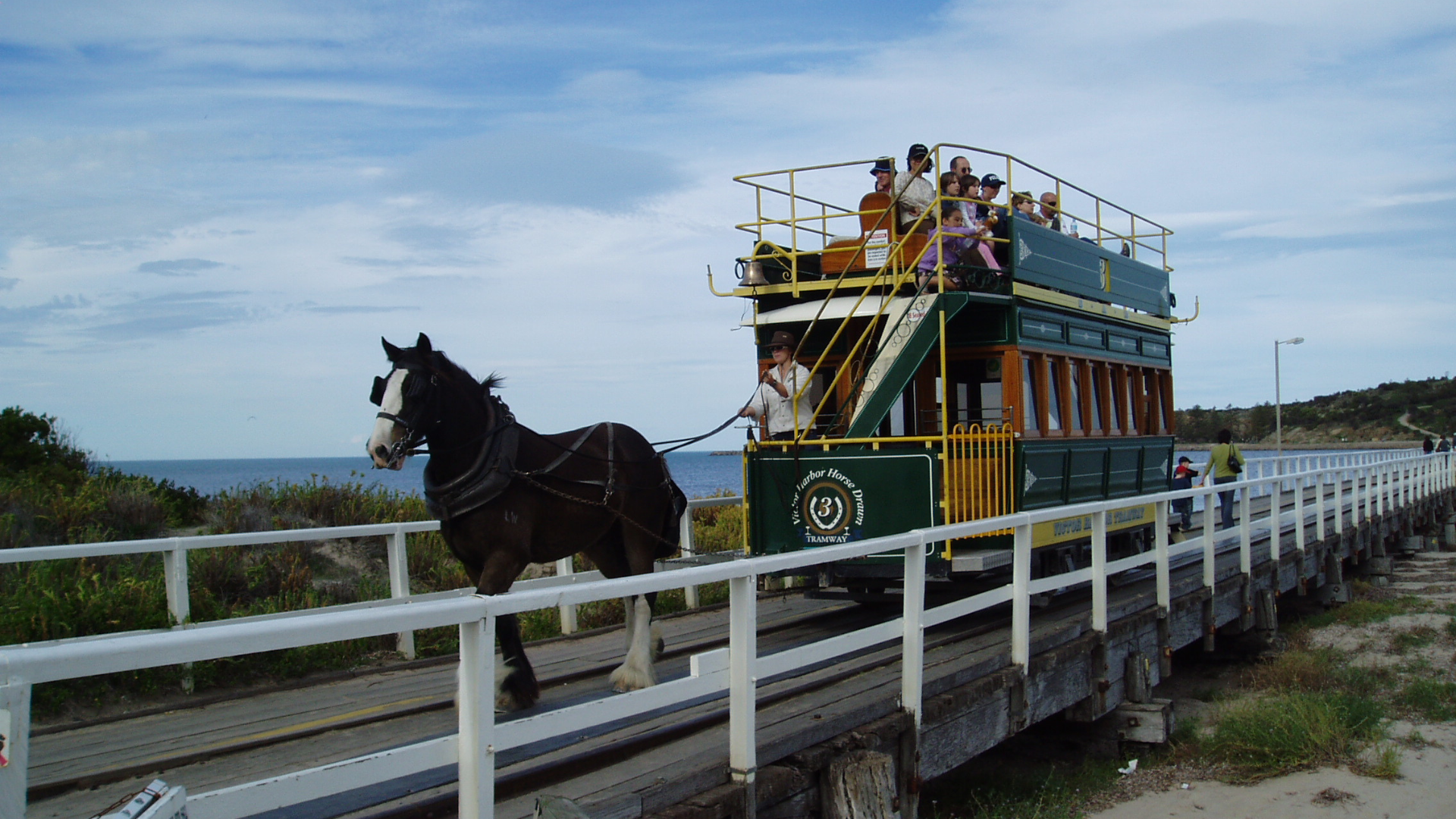
As the years passed and visitors increasingly arrived to enjoy the sea air, the Causeway itself became something of an attraction. Today, you can experience this heritage firsthand while walking from Victor Harbour across the Causeway to Granite Island, or taking the horse-drawn passenger tramway, which first began carrying travellers 1894, a tradition that, remarkably, still continues today.
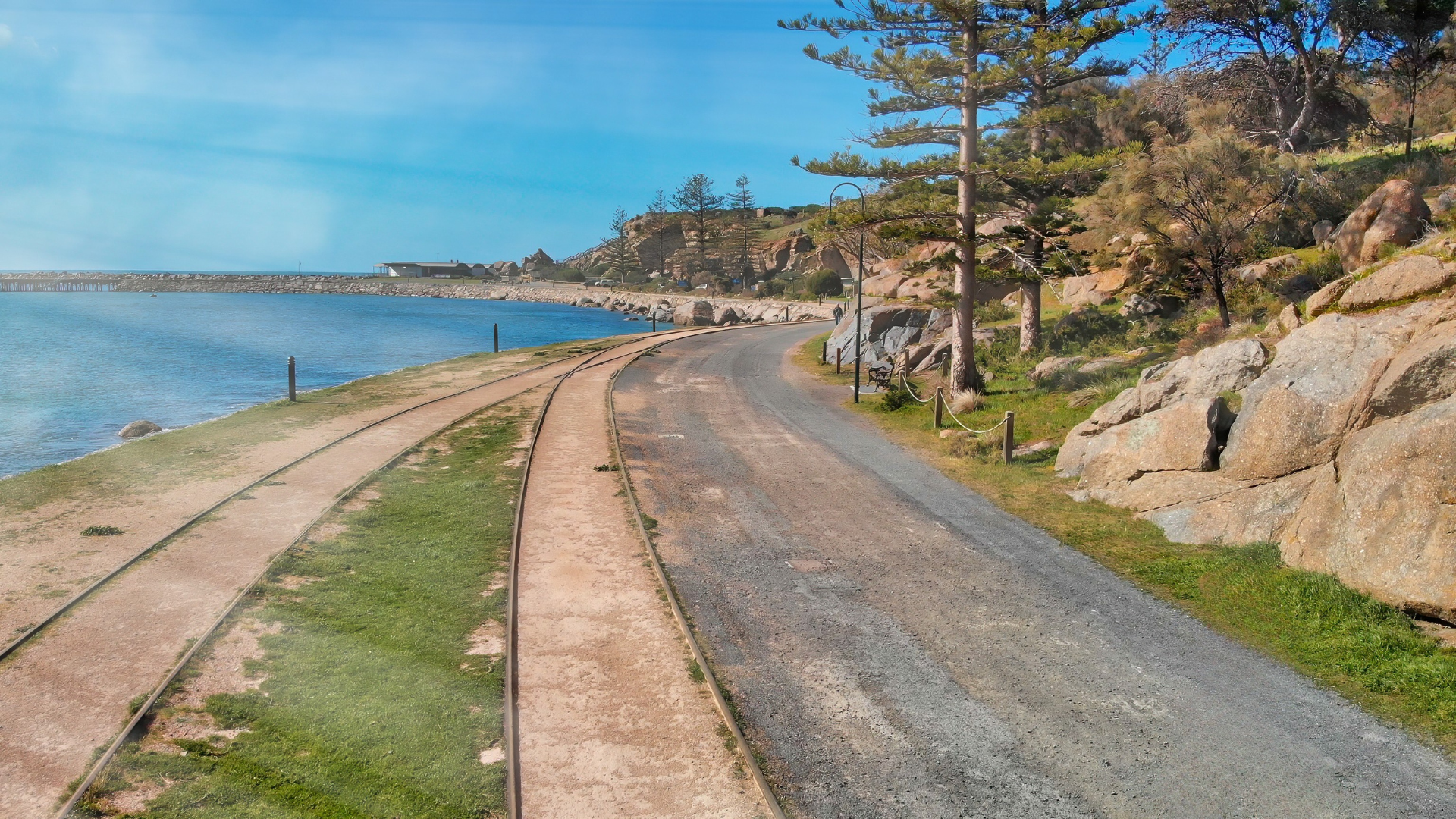
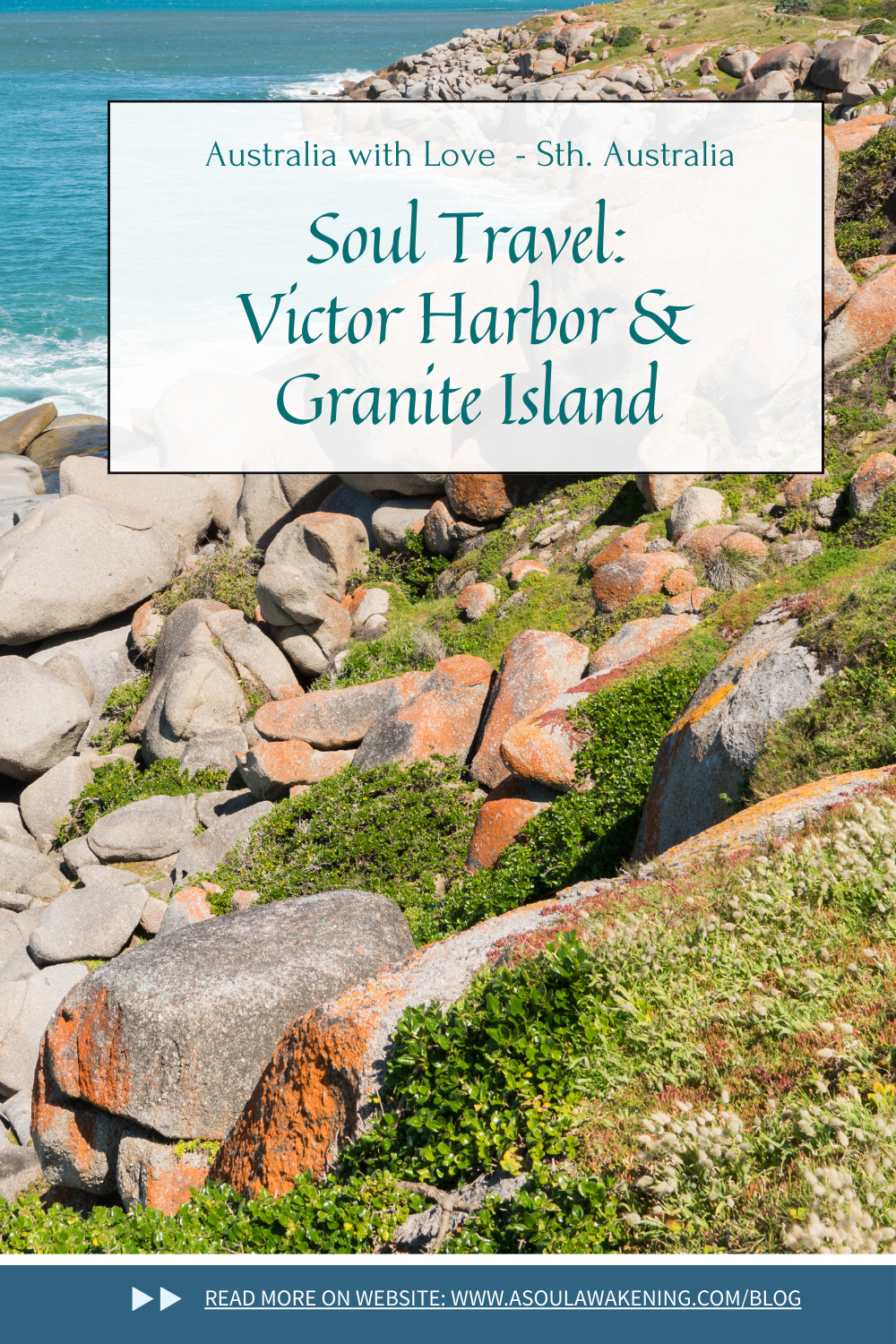
The gentle stretch across the water offers uninterrupted views of the bay before the path meets the island’s weathered shoreline. Once there, it’s easy to wander amongst the rounded rock formations that give the island its name. These enormous granite boulders have been shaped slowly by wind, salt and the restless movement of the Southern Ocean.
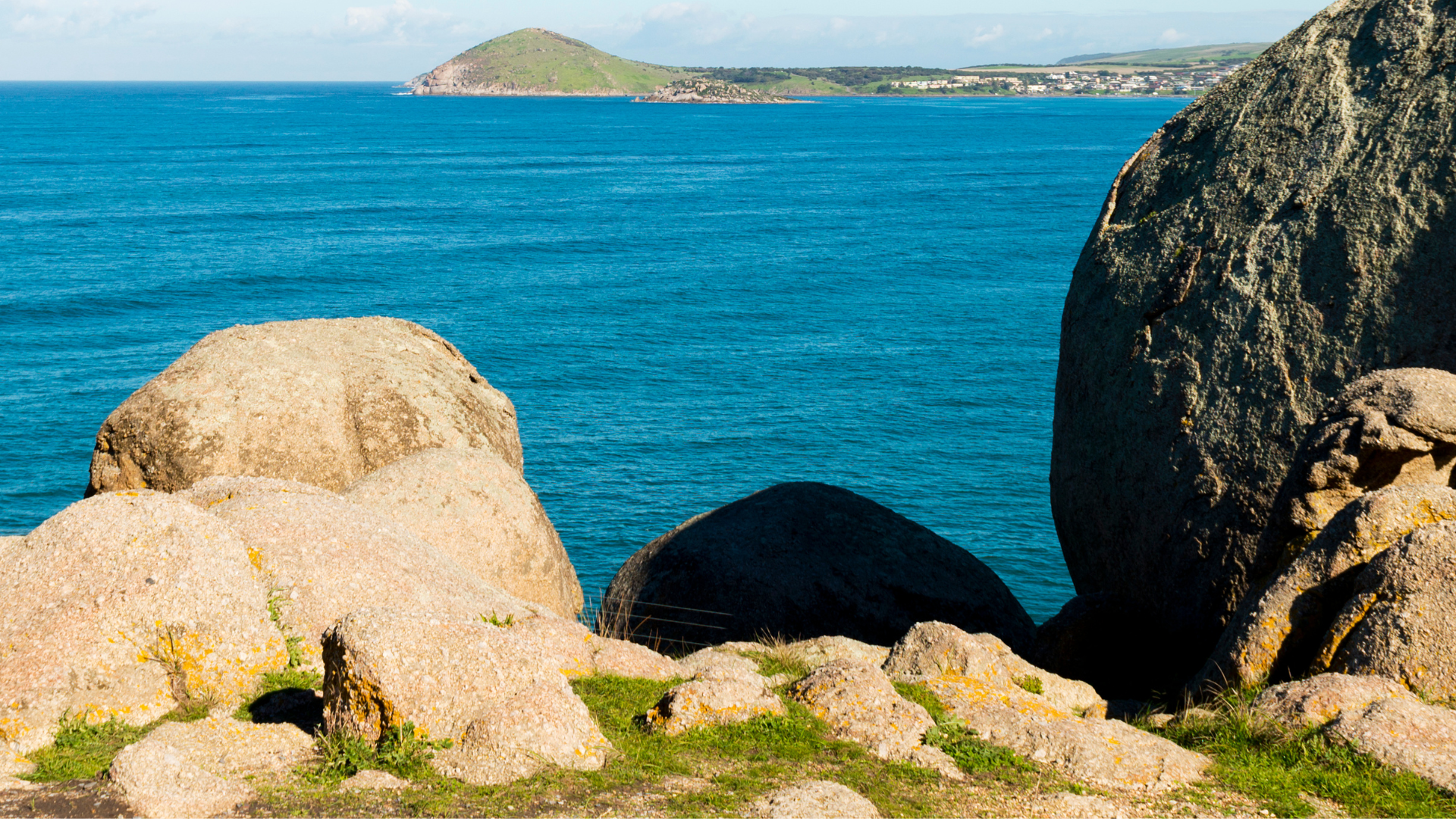
Their origins reach back hundreds of millions of years, forming part of the same ancient geological story found across the region, including the dramatic granite outcrops of Kangaroo Island. Though separated today by water and distance, the stone beneath your feet belongs to a much older landscape that once connected these coastal formations long before the present shoreline took shape, one that holds both ancient geological origins and the cultural stories that have shaped this coastline for thousands of years
Standing amongst these weathered forms, it’s difficult not to feel the quiet passage of time written into the stone. Here, the coastline seems less like a place you simply visit, and more like one you pause within, where the ancient granite keeps its own steady pace beside the sea.
Returning to town shore, whether on foot across the Causeway or by the gentle clip-clop of the horse drawn tramway, it’s worth lingering a little longer in Victor Harbor itself.
Wandering the streets, the town’s colonial character quietly reveals itself through its historic buildings and seaside architecture.
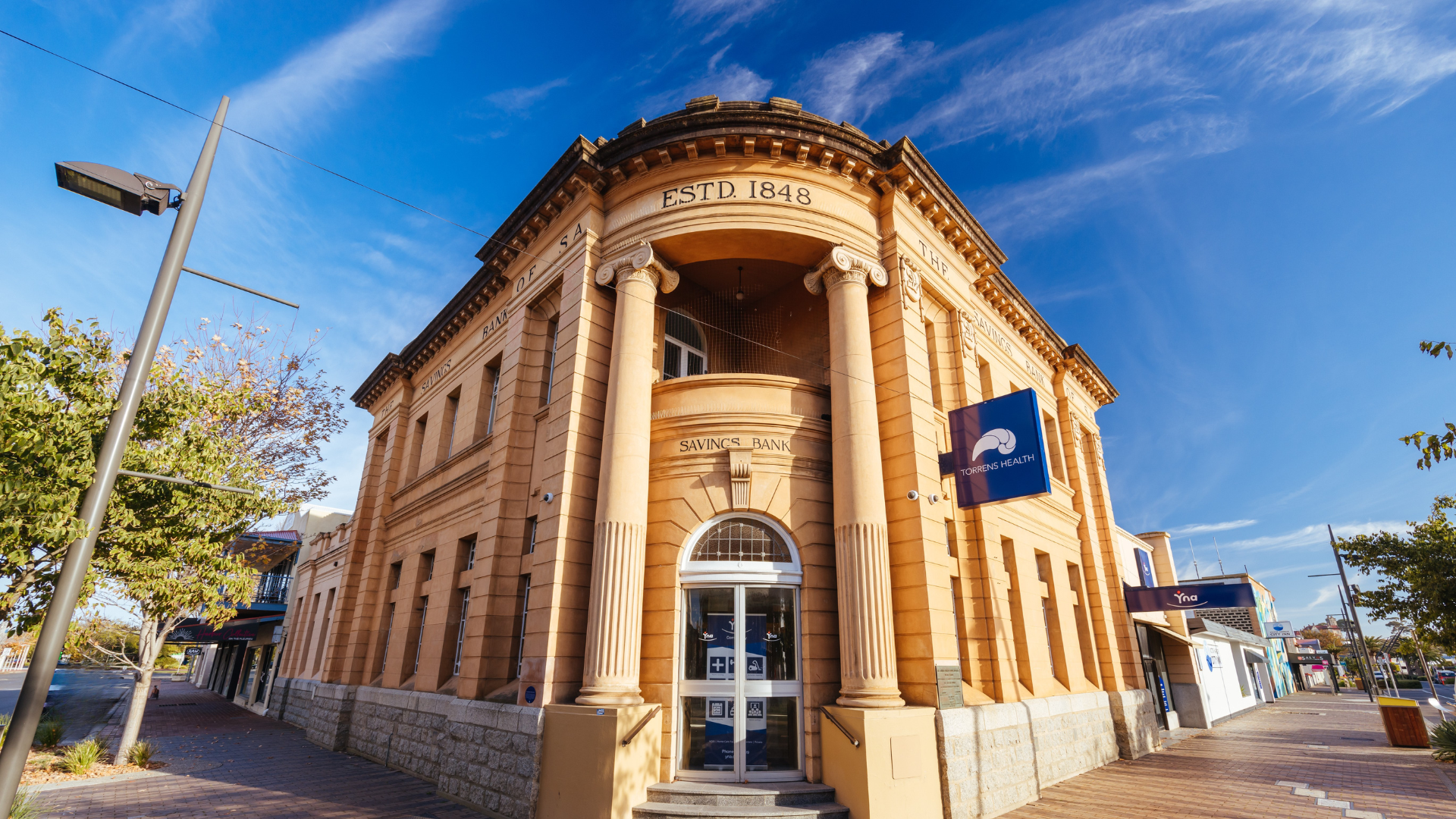
Along Ocean Street and the surrounding streets, many of the buildings date back to the town’s early years as a thriving coastal port. The former Bank of South Australia, established here in 1865, was the first bank in the Encounter Bay district, a sign of the growing commercial life of Port Victor as produce from inland districts flowed through the harbour. The building later gave way to a grander Savings Bank of South Australia, constructed in 1928, its solid granite base and classical façade still standing and reminding us of the town’s prosperity during the early twentieth century.
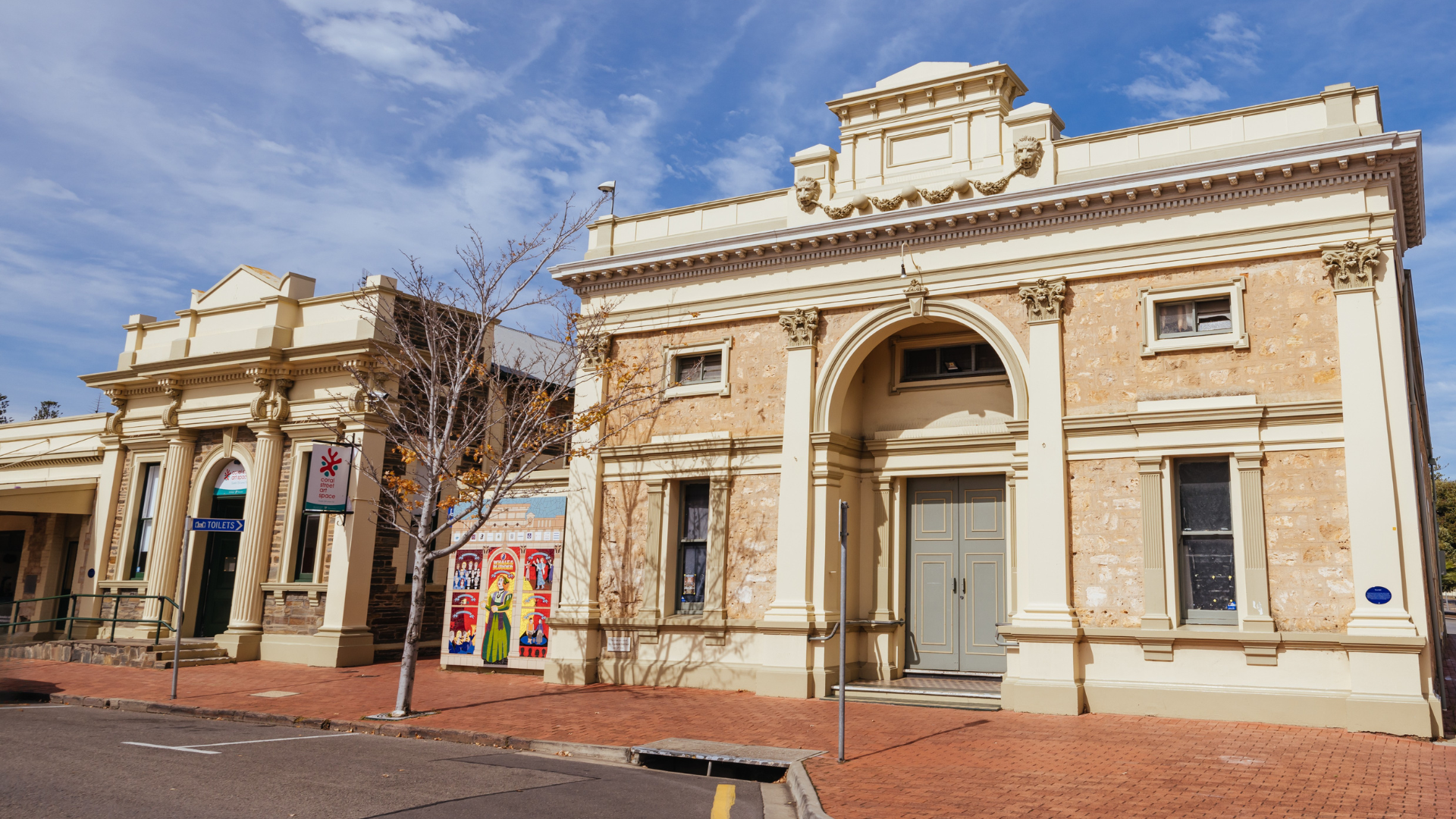
Nearby stands the town’s Institute building, opened in 1878, which today serves as Victor Harbor’s Town Hall and library. Built during the years when seaside holidays were becoming fashionable, it reflects the town’s gradual shift from working port to popular coastal getaways.
If time permits, a visit to the Victor Harbor Museum and Customs House, cared for by the National Trust, offers a deeper look into the layers of the town’s story. Housed in the former Customs House built in 1866, the museum shares exhibitions on the region’s Aboriginal heritage, the early whaling industry, the development of the port, and the arrival of the railway that helped shape Victor Harbor into the much-loved seaside destination it is today.
Astrologically, visiting Victor Harbor and nearby Granite Island carried an energy not unlike my time exploring Kangaroo Island, which lies just across the waters of Encounter Bay. The atmosphere felt less about dramatic personal transformation and more about quiet observation. Jupiter’s influence seemed present in the simple act of learning through experience, walking the Causeway, absorbing the layers of Aboriginal heritage, colonial history, and the geological age written into the granite formations.
There was also a gentle expression of Venus, reflected in an appreciation for the natural beauty of the coastline along the Southern Ocean, and the charm of the historic streets of Victor Harbor. Alongside this sat a subtle North Node pull, not a place calling for emotional intensity or dramatic life change, but rather one that seemed to invite the visit itself, as though the journey formed part of a wider, soul led curiosity about the landscapes and stories of South Australia, one of my favourite states in Australia.
Sometimes travel is not about being changed by a place, but about being quietly taught by it.
As the late afternoon sun begins its descent, it’s time to find a relaxing spot to enjoy an ice cream and let the day settle. From the ancient granite of Granite Island to the streets of Victor Harbor, this corner of South Australia carries stories across millennia, of the Ramindjeri people and the Ngarrindjeri nation, of early settlers, whalers, and the gentle ease of coastal life
On this occasion, staying the night offered the opportunity to let the experience settle a little deeper, as evening fell across the harbour. The following morning brought a different road northward towards Adelaide, beginning with a short coastal drive of just six kilometres to the sheltered curve of Horseshoe Bay in Port Elliot.
Port Elliot is one of the small coastal towns that quietly carries the maritime history of South Australia’s early colonial years. In the 1850s the settlement briefly served as an important shipping port for the Murray River trade, where cargo from inland paddle steamers was transferred to ocean going vessels.
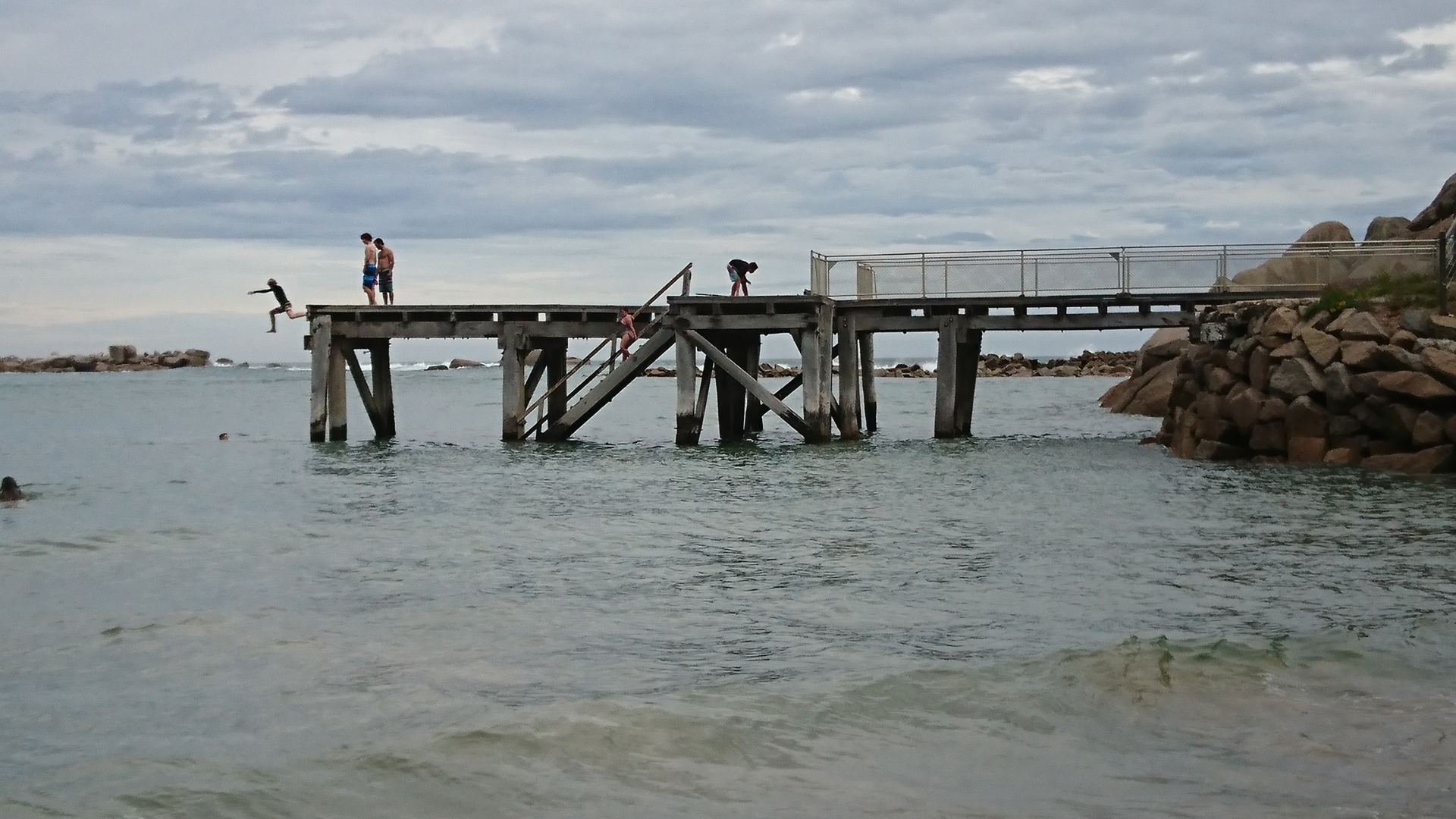
The timber structure stretching into the bay today, the Port Elliot Jetty, was built in 1854 during those early years of coastal trade, long before the harbour at Victor Harbor became the region’s primary port.
The calm, protected waters of Horseshoe Bay create one of the Fleurieu Peninsula’s safest swimming beaches, and on warm mornings it’s not unusual to see local children climbing the railings and leaping into the clear water below, their laughter being heard across the small curved bay.
From here the road gradually leaves the coastline behind, winding inland through the open landscapes of the Fleurieu Peninsula before rising gently towards the Adelaide Hills.
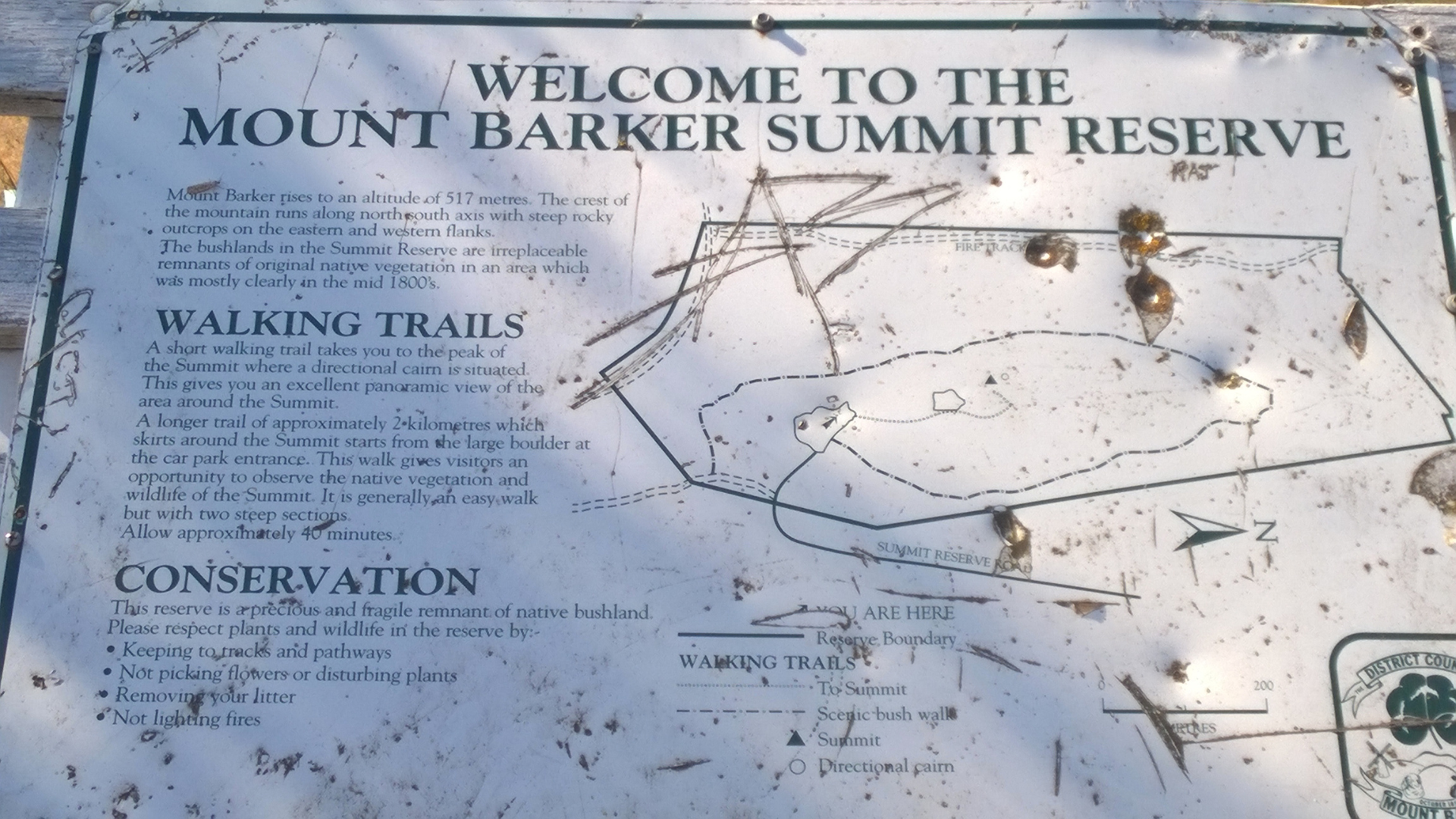
Roughly seventy kilometres from Victor Harbor, a planned stop to meet a friend offers the chance for a walk within the Mount Barker Summit and Nature Reserve.
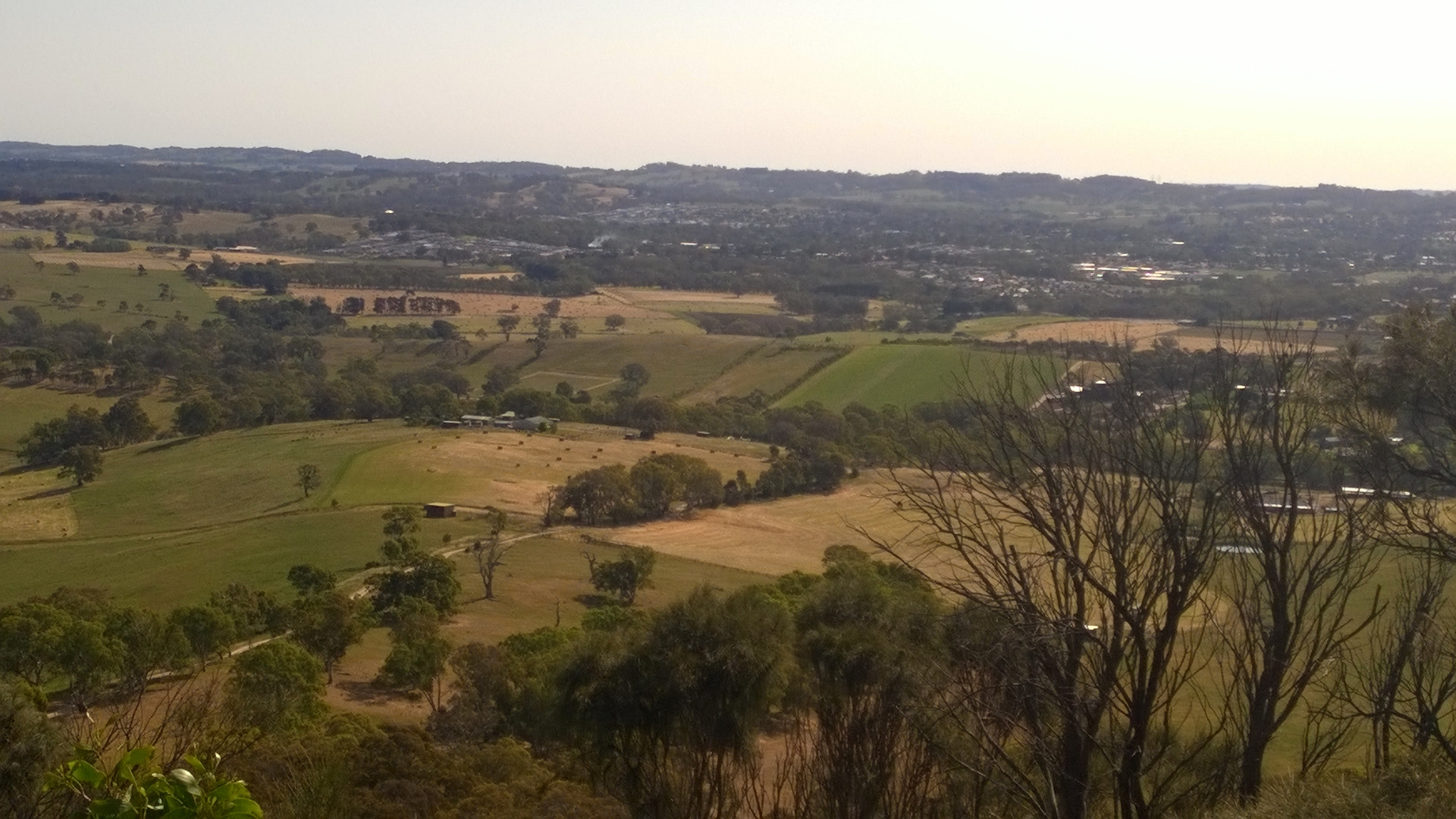
After the vast horizon of the Southern Ocean, the bushland carries a different kind of stillness, eucalyptus, birdsong, and the familiar scent of the Australian bush.
Returning to Mount Barker, a town first surveyed in 1839 and named after Captain Collet Barker, one of the early explorers of the region, there is time to collect a small afternoon treat before heading back to her home overlooking the surrounding farmland.
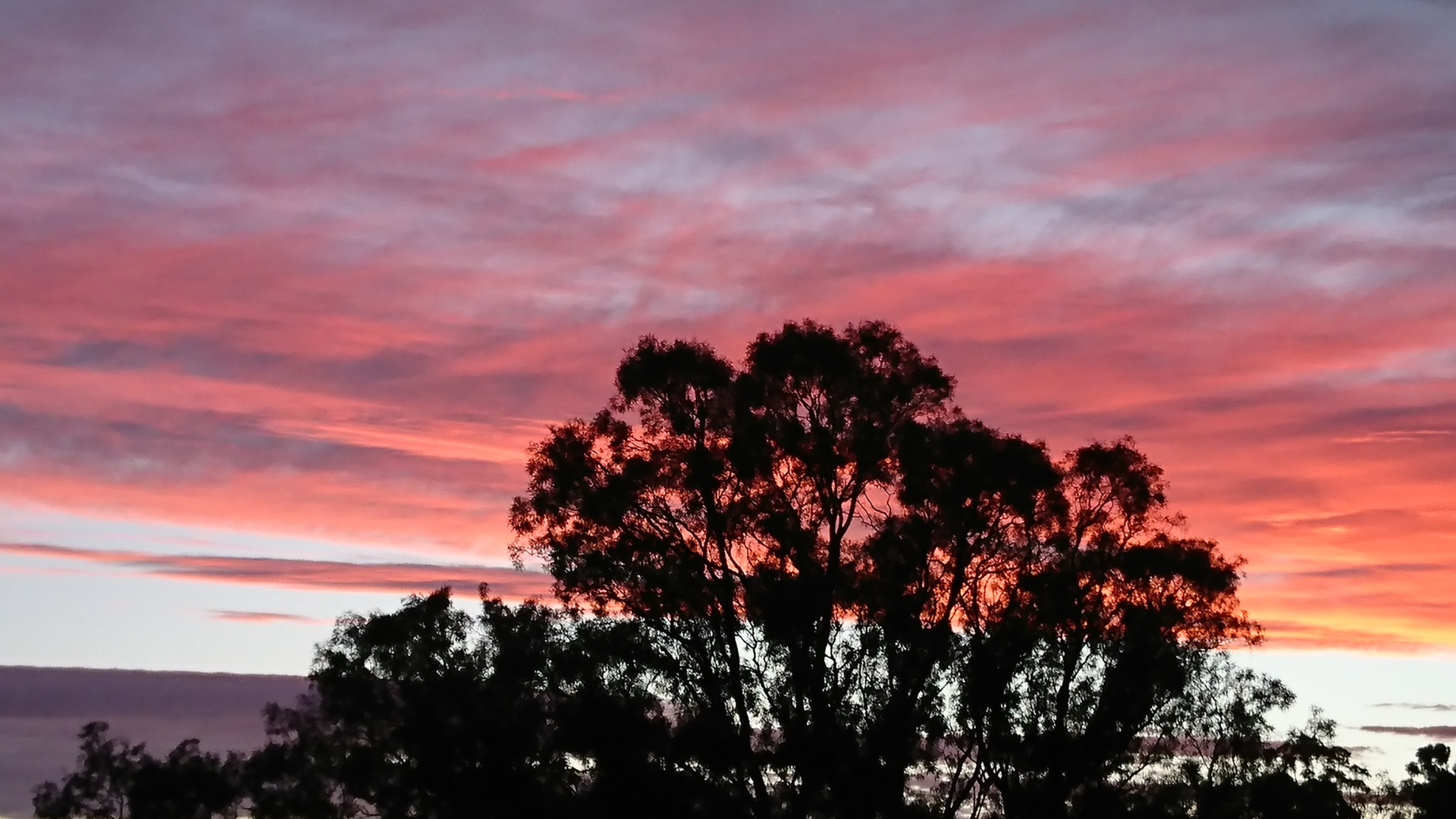
As the sun began its descent, the sky was painted with brilliant shades of crimson, orange, and yellow, light clouds catching and scattering the colours across the landscape. Sitting there, sharing conversation, the landscape seemed to glow with a quiet, almost magical energy, a calming silence to let the journey settle before making the drive back into Adelaide.
From the ancient granite of Granite Island to the historic streets of Victor Harbor, from the calm of Horseshoe Bay in Port Elliot to the quiet bushland of Mount Barker Summit and Nature Reserve, and across the Australian bush of the Adelaide Hills, this journey through South Australia carries a richness of story, landscape, and spirit. Each stop offers its own reflection, the deep time of the granite, the enduring presence of Ramindjeri and Ngarrindjeri heritage, the stories of early settlers, and the stillness of the hills and bush. Moving from place to place, the day’s experiences remind us that some journeys are less about transformation and more about presence, curiosity, and noticing the quiet lessons the land has to offer. In the end, these landscapes, histories, and moments of shared reflection leave their gentle mark on the soul.
Australia with Love
See you soon,
Consider signing up to receive new Soul Travel blogs, travel reflections, and astrocartography insights as new destinations are shared.

✨ If this story resonated with you, you are warmly invited to continue the journey in a way that feels aligned with you.

✨ Explore personalised insights through consultations

✨Begin with ‘The Journey’ Orientation
✨Listen to Destined Places podcast stories
✨Save and share Soul Travel inspiration on Pinterest