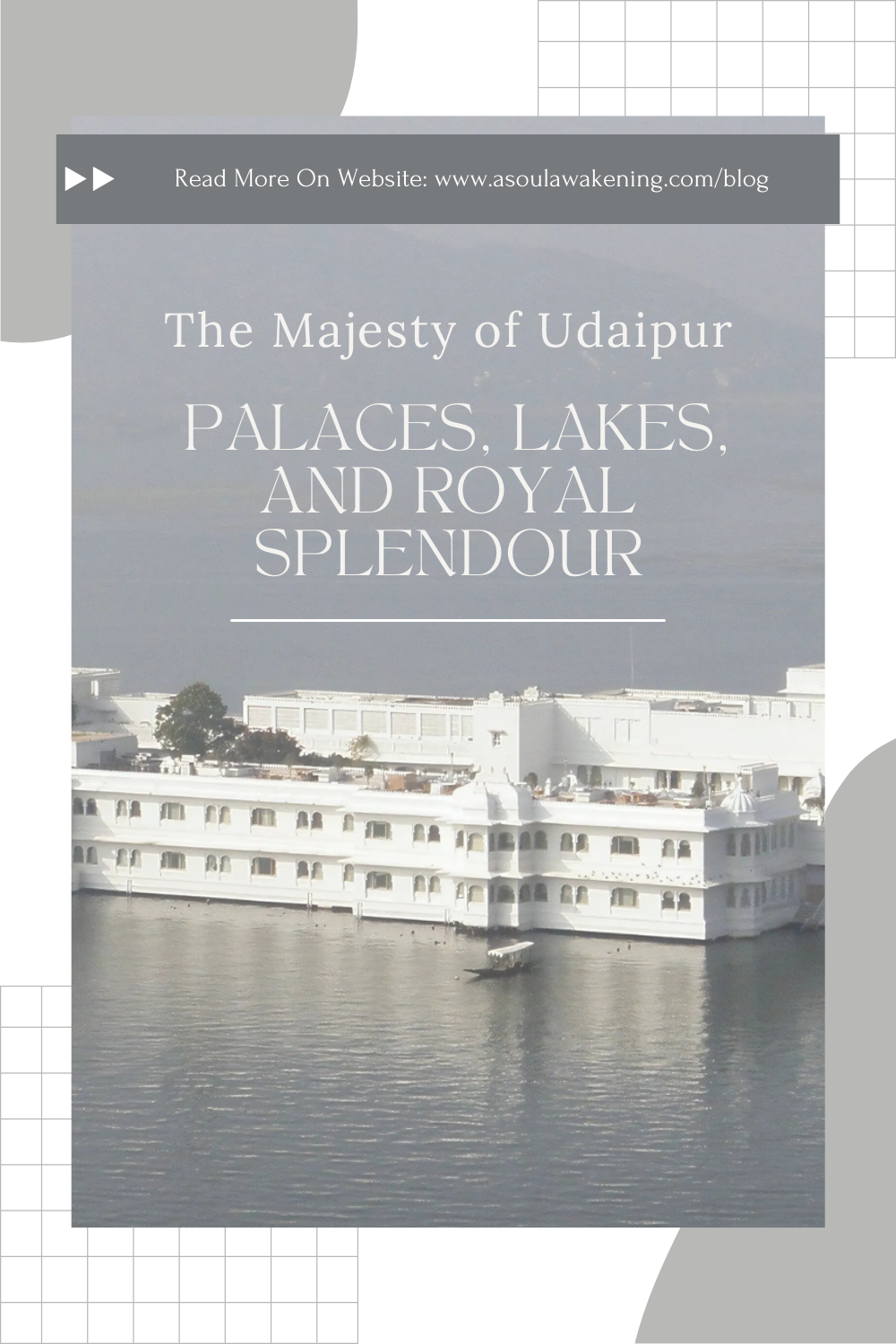
The Majesty of Udaipur, India | Palaces, Lakes, and Royal Splendour
The majestic allure of Udaipur, the City of Lakes, and the fortified capital of the Rajput state of Mewar, awaits with its timeless beauty and historical significance. In the 16th century, after the Mughal emperor Akbar captured Chittor, Udaipur rose as the new royal seat, gracefully situated on the tranquil shores of Lake Pichola and surrounded by the rugged Aravalli hills.
It’s New Year’s Eve Day, and we find ourselves journeying once again in private vehicles, this time on a three-hour drive from Bundi to the small village of Arnoda, located on the outskirts of Bijaipur.
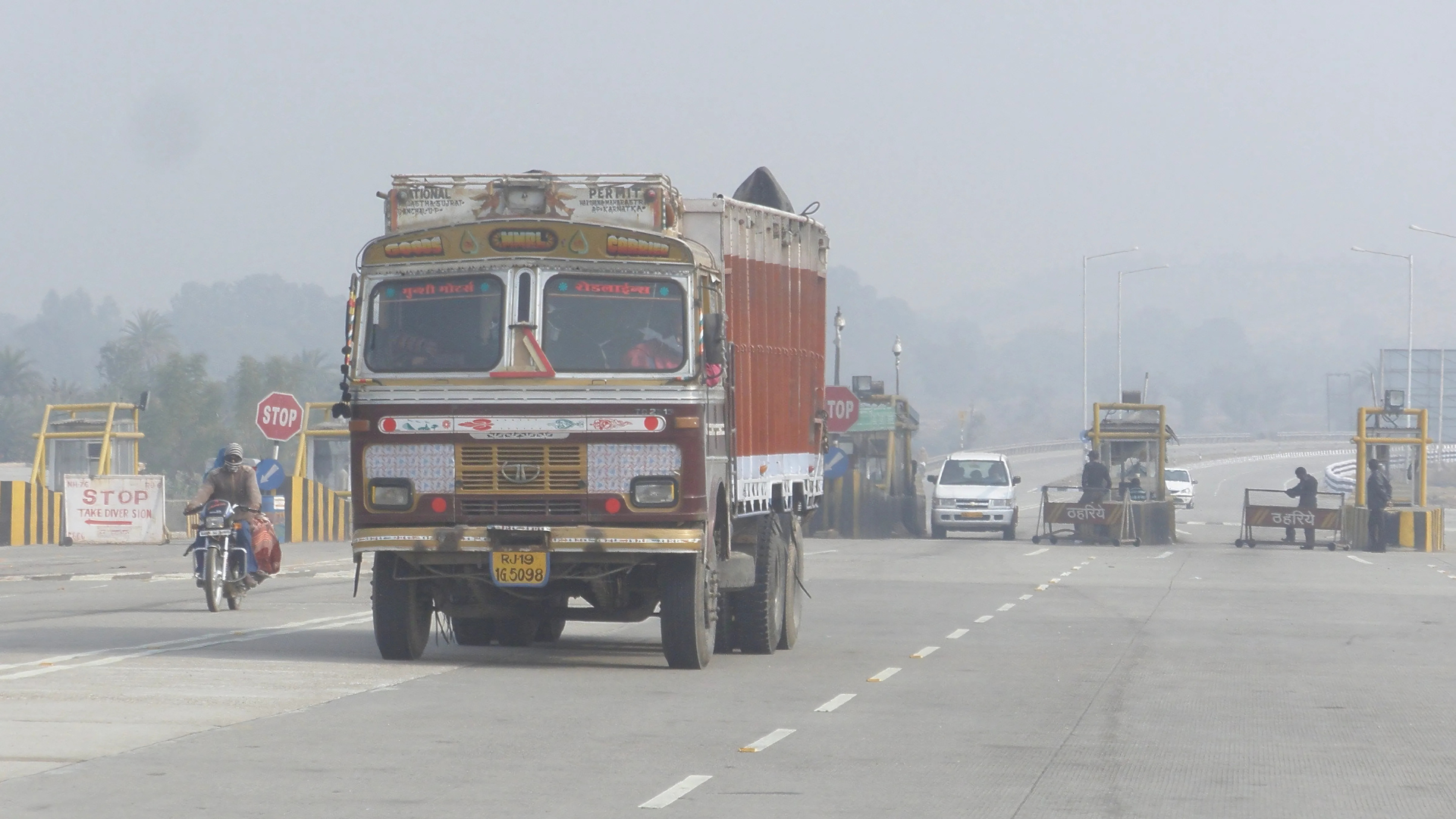
The open highway stretches ahead, intermittently interrupted by sections under construction and an intriguing toll checkpoint that adds a touch of local character to the journey.
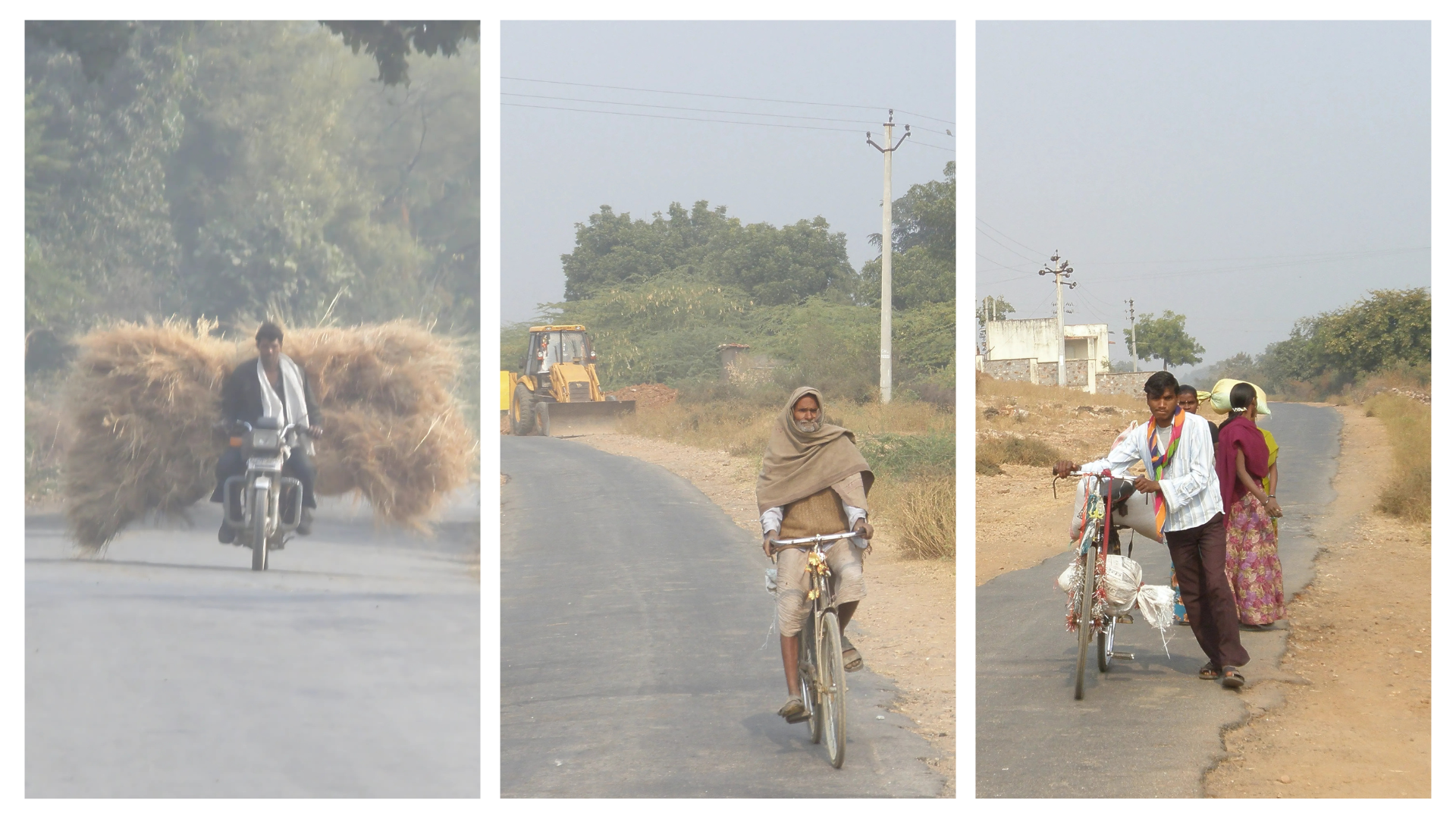
As we veer off the main highway onto a narrow side road, the scene changes. We pass various locals immersed in their daily routines, a window into the rhythm of rural Rajasthan.
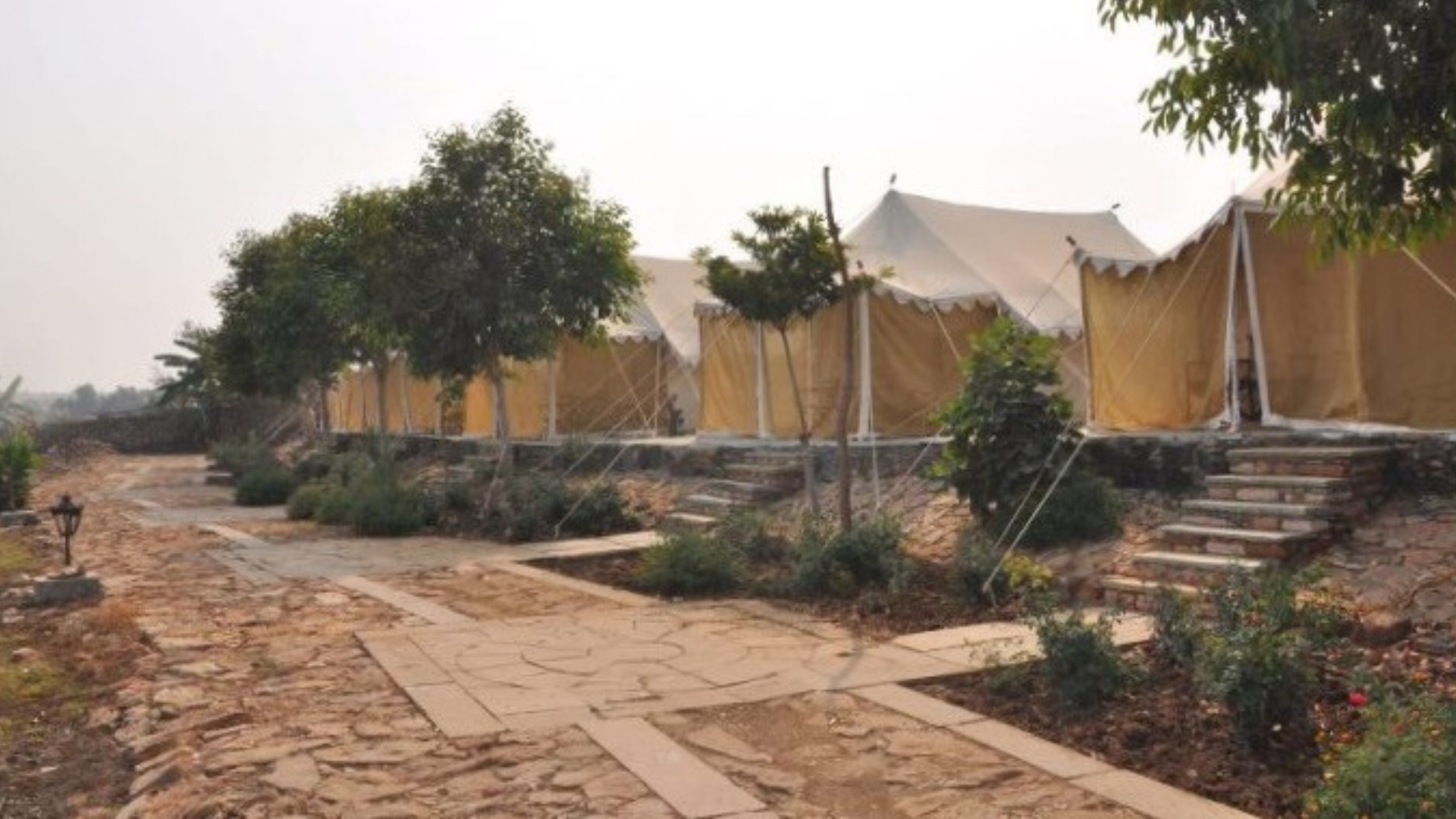
By mid-afternoon, we arrive at Arnoda, a small village nestled along the calming shores of Pangarh Lake, also known as Gambheeri Reserve. This hidden gem offers an unforgettable experience: a night spent in luxury clam camping. The safari style tents, both luxurious and rustic, provide panoramic views of the lake and waters edge from the door entrance. This idyllic retreat is more than just a stopover; it’s an immersion into Rajasthan’s natural beauty and cultural heritage. The blend of comfort, serenity, and authenticity makes for a perfect escape, leaving behind the noise of the highways for the whispers of history and the soothing embrace of nature.
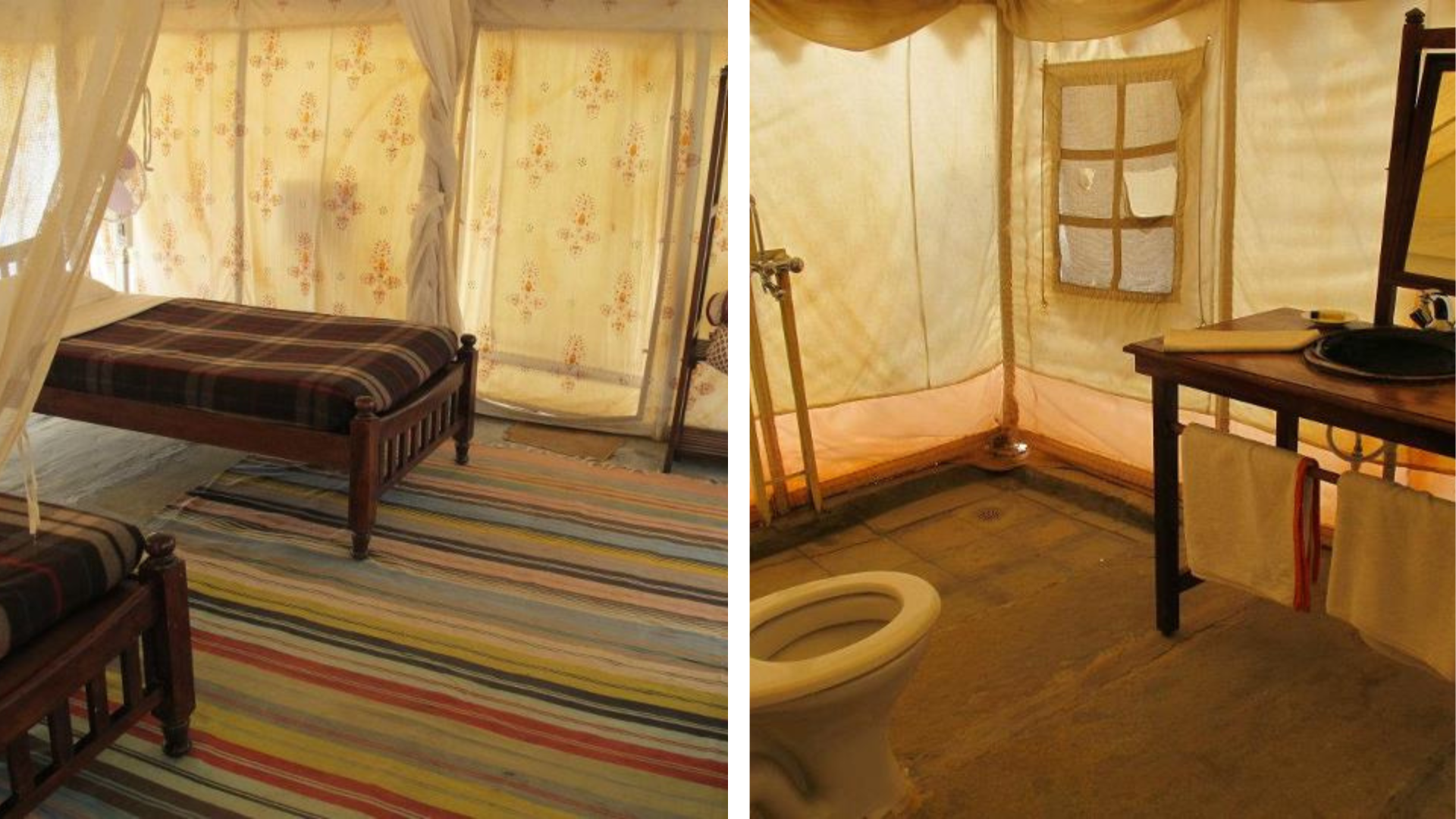
All with the necessary luxuries for a comfortable night’s rest and refreshing bathroom facilities. However, for now it’s time for an afternoon to relax and have some peace and quiet in the remoteness after the constant noise and busyness of India…. hmmm!
It’s been a relaxing afternoon, however, it’s now time to prepare for New Years Eve’s celebration at Castle Bijapur.
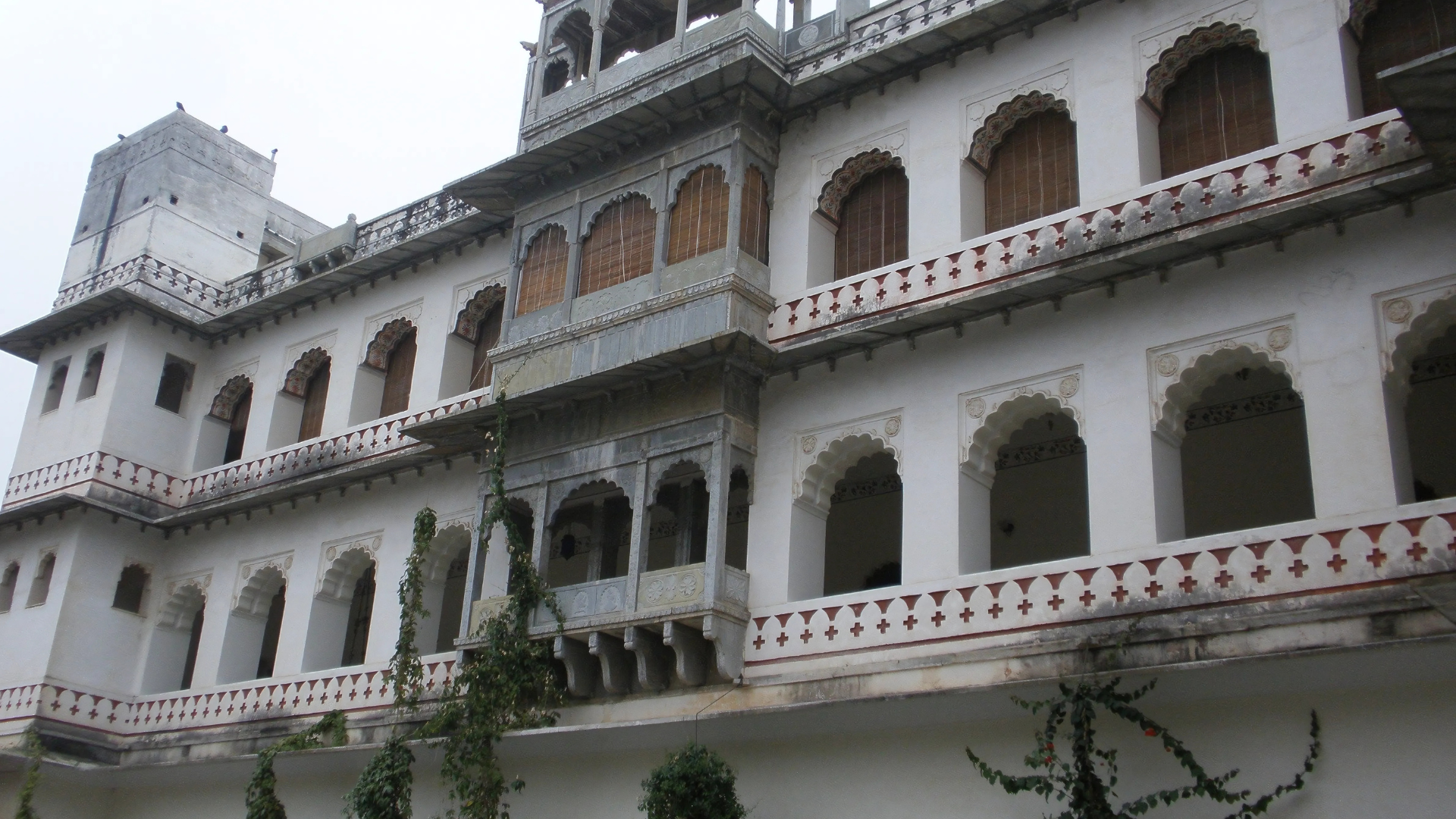
Castle Bijapur, an architectural gem steeped in history, was built in the early 16th century by Rao Vijay Singh, a descendant of the legendary Rajput warrior Shakti Singh, younger brother to the Maharana Pratap. Situated strategically within what was formerly known as the Kingdom of Mewar, Bijapur played a vital role in defending its frontiers against invading Mughal and Maratha armies.
Today, the castle remains a living testament to its storied past, with the 13th generation family still calling it home. Under the stewardship of the current head of the family, Rao Saheb Narendra Singh Ji, Castle Bijapur was restored and converted into one of the first heritage hotels in the region. This transformation began in 1991, yet the essence of the castle remains deeply rooted in its heritage.
Nestled within fortified walls, the castle is not perched atop a hill like many of its counterparts but sprawls on the outskirts of town, seamlessly blending into its serene surroundings. The picturesque setting amidst the landscapes of Chittorgarh enhances its charm, making it a haven for travellers seeking history, tranquillity, and genuine cultural immersion.
Unlike typical hotels, Castle Bijapur offers an authentic experience of Rajput hospitality, welcoming guests into a home where tradition and warmth define every interaction. It’s more than just a four-star heritage hotel; it is a place where history, nature, and hospitality converge. Here, guests are invited to step back in time, all while embracing the timeless traditions of Indian life and hospitality, leaving them enchanted by its unique ambiance and deeply rooted legacy.
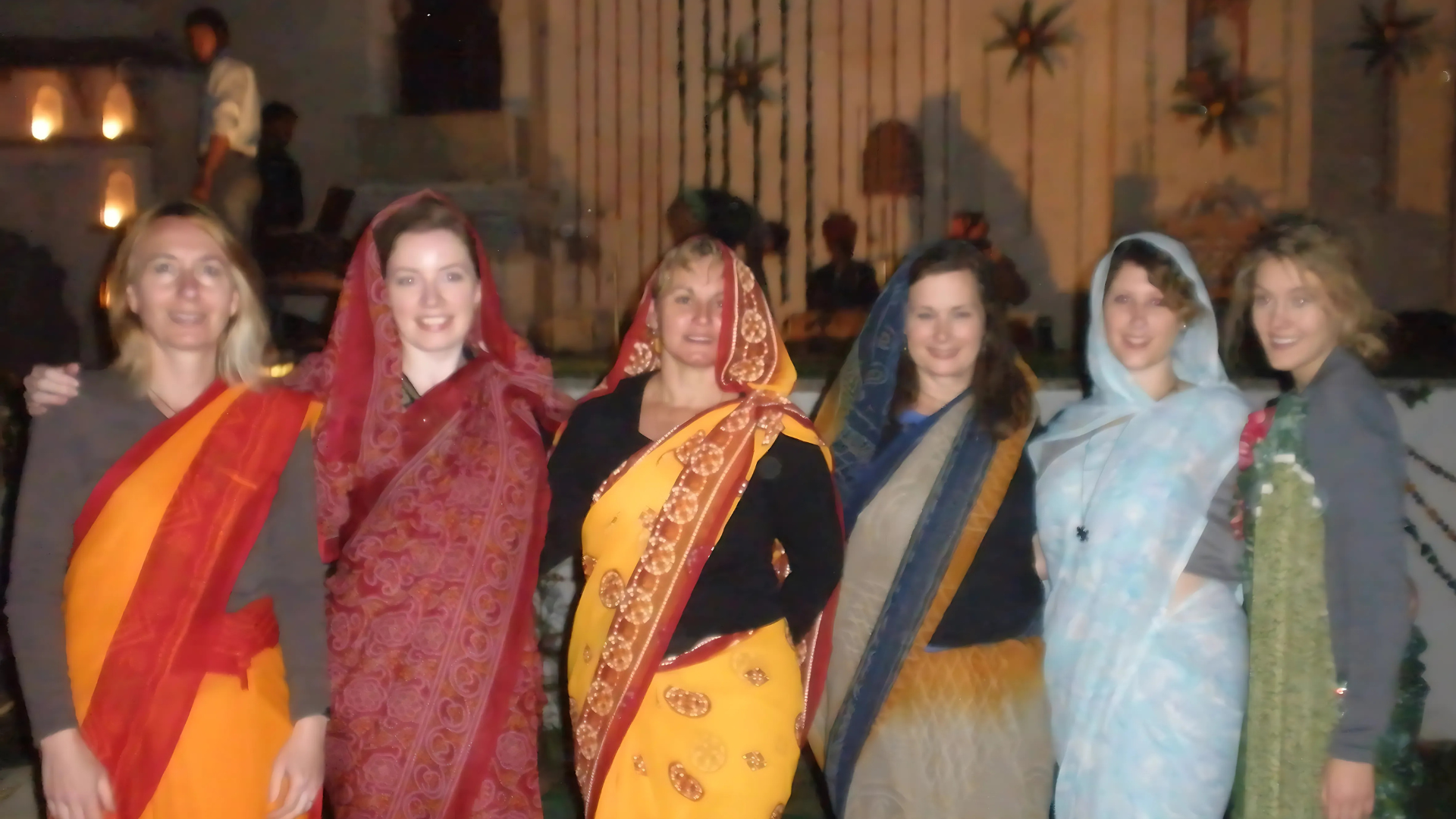
We travelled by jeep to arrive at Castle Bijaipur on dusk, the fading light casting a golden glow over the sprawling complex, nestled within its fortified walls. The evening held the promise of a magical New Year’s Eve celebration, steeped in Rajasthani tradition and grandeur. The castle courtyard was alive with vibrant energy. Each of us embraced the opportunity to dress in local attire, women draped in vivid coloured saris and men crowned with regal turbans, a vivid reflection of Rajasthan’s cultural richness.
As darkness fell, the festivities began. A live band played rhythmic melodies that resonated through the courtyard, while local dancers mesmerised us with their elegant performances, swirling in colourful splendour. The air was filled with laughter, music, and the enticing aroma of an endless flow of traditional food and drinks, each dish a celebration of Rajput culinary heritage.
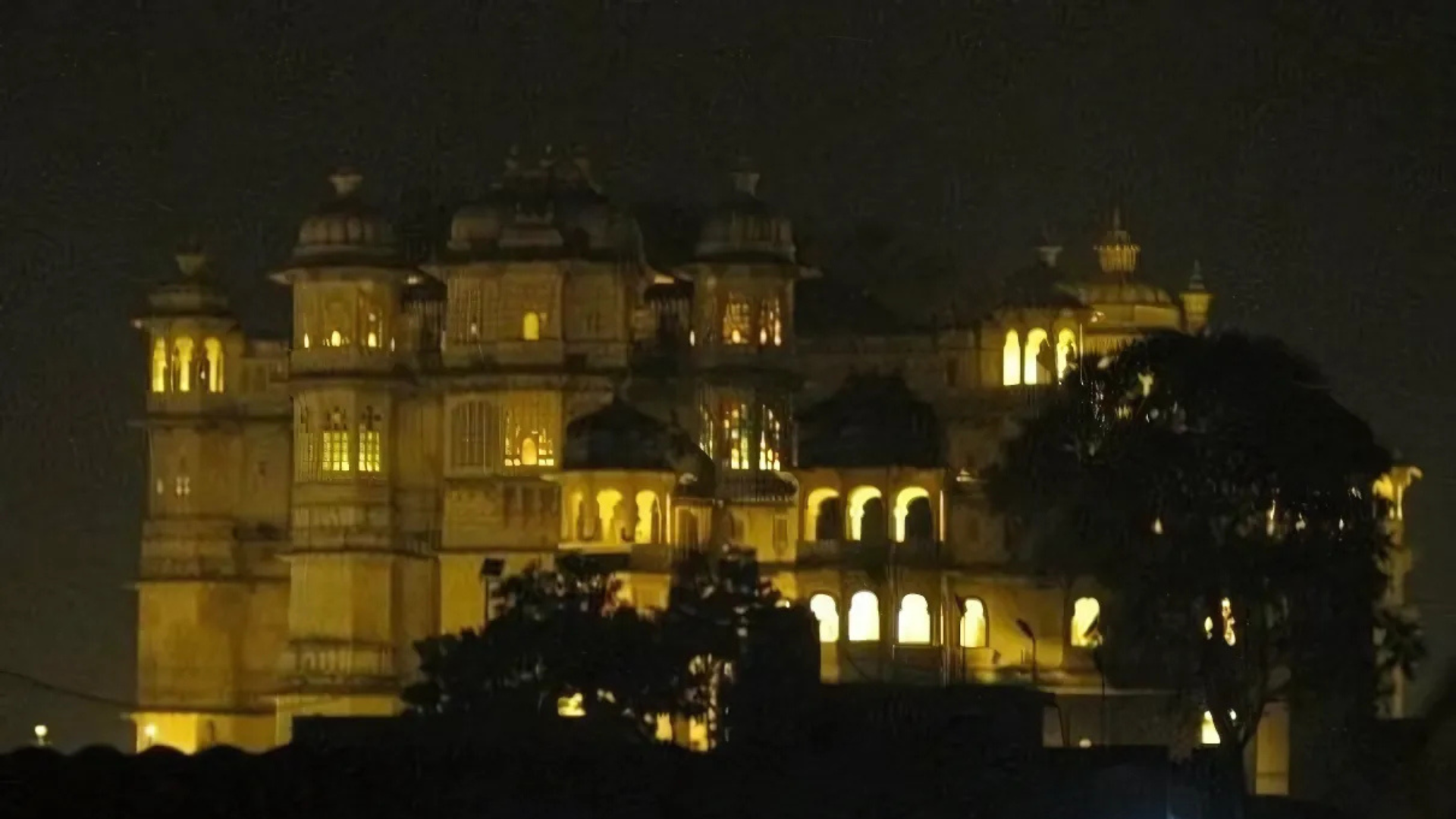
At midnight, everyone joined in jubilant cheers to welcome the New Year, a moment of unity and joy under a brilliant night sky. As the revelry wound down, we returned to the serene sanctuary of our luxury safari tents by the tranquil Pangarh Lake, where the calm waters meet with sleep. It was a perfect blend of cultural immersion and quiet reflection, a New Year’s Eve to treasure forever.
After a restful sleep, we bid farewell to the serenity of our luxury tented camp and set off for a night’s stay at the Castle Bijaipur. Leaving behind the stillness of the lake, we embrace the adventure of an open jeep drive through the picturesque countryside of the Vindhyachal Hills, where the landscape unfolds with quiet charm.
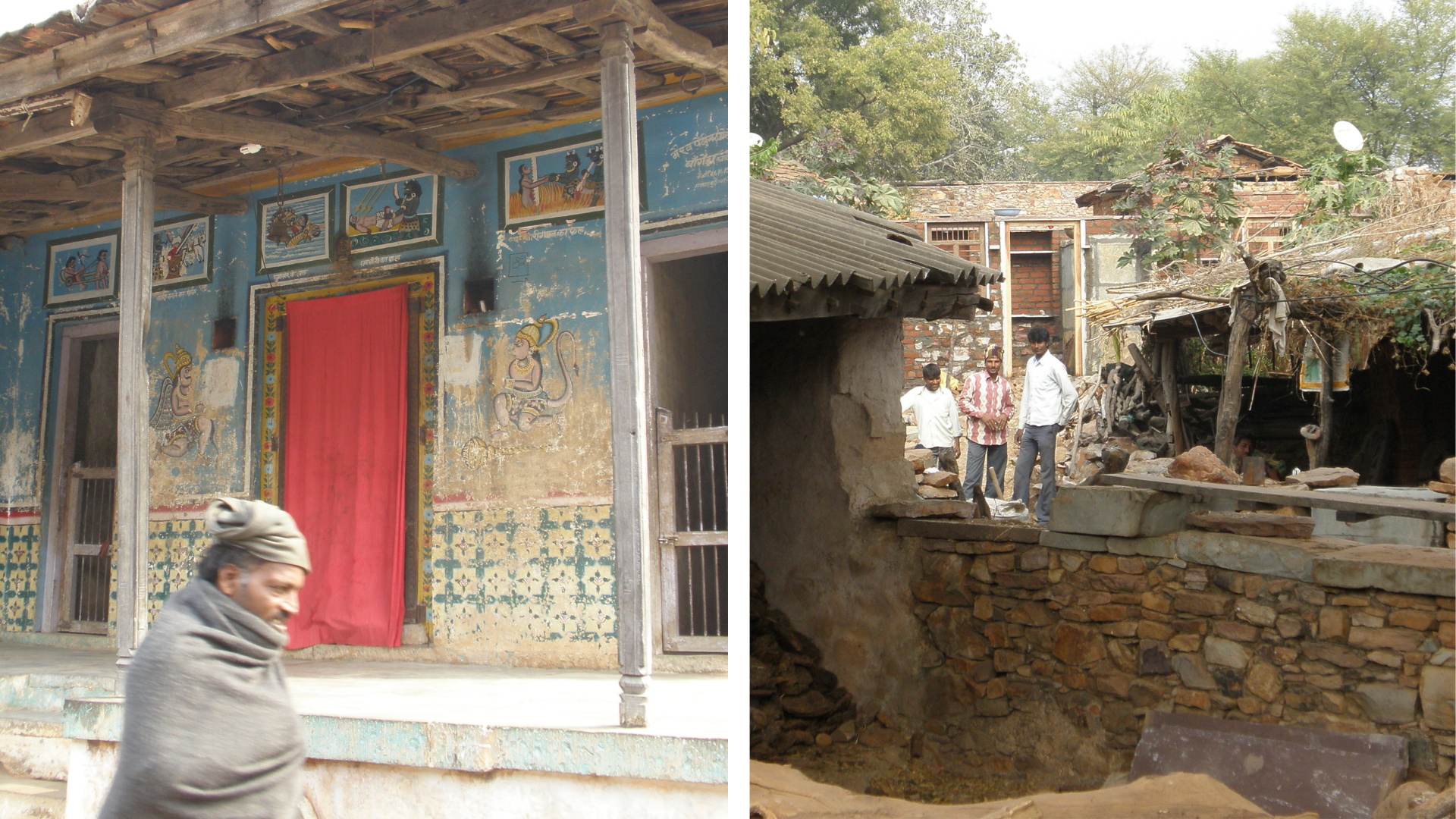
A leisurely stroll through a nearby village offers glimpses into local life, a gentle reminder of the simple beauty of rural Rajasthan.
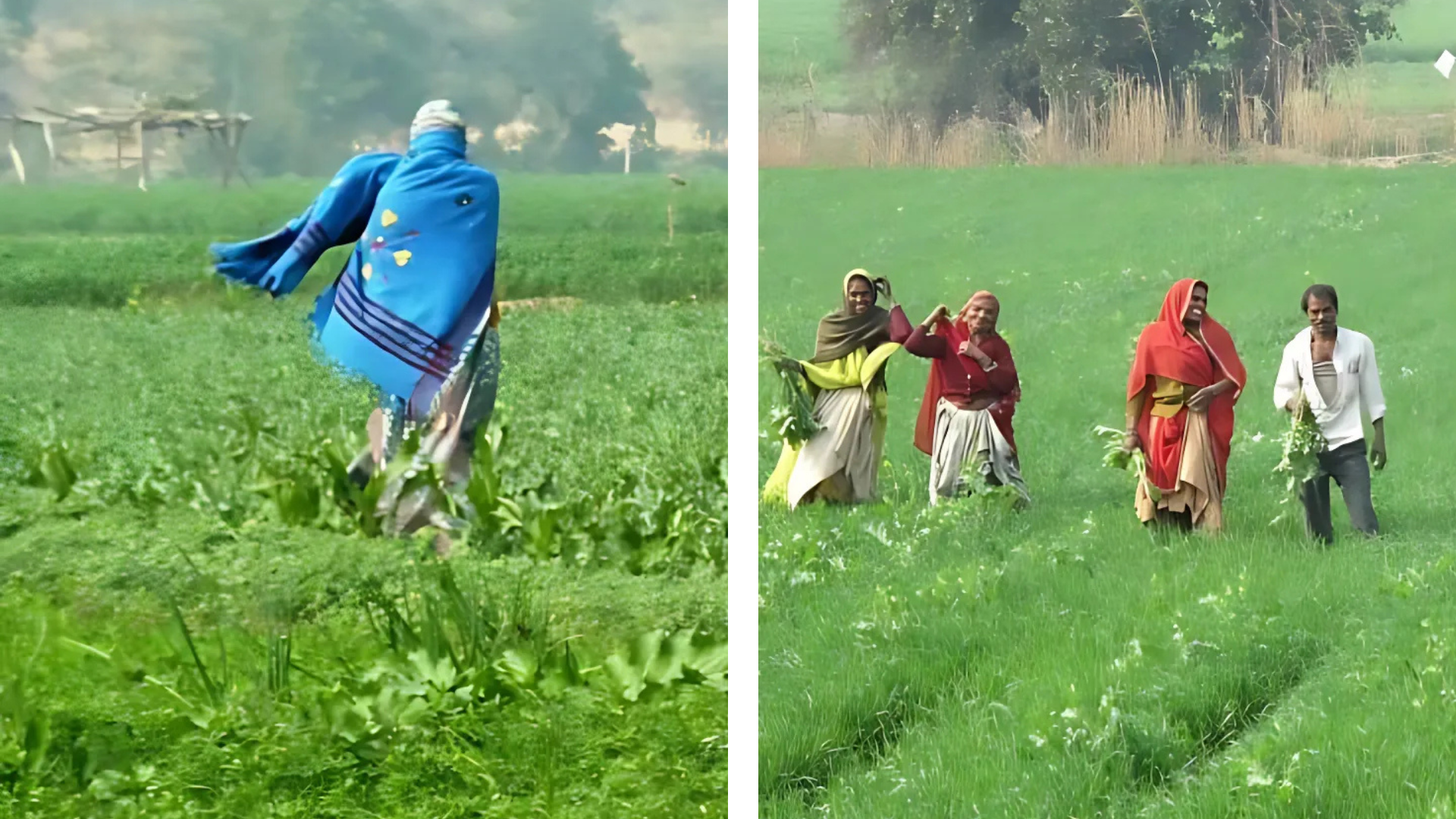
Our journey continues as we explore local farms, where fields of garlic, lucerne, onions, peanuts, and poppies stretch across the fertile land. The fields o green mingles with the vibrant coloured clothing of the workers in the fields, a testament to the region’s agricultural richness.
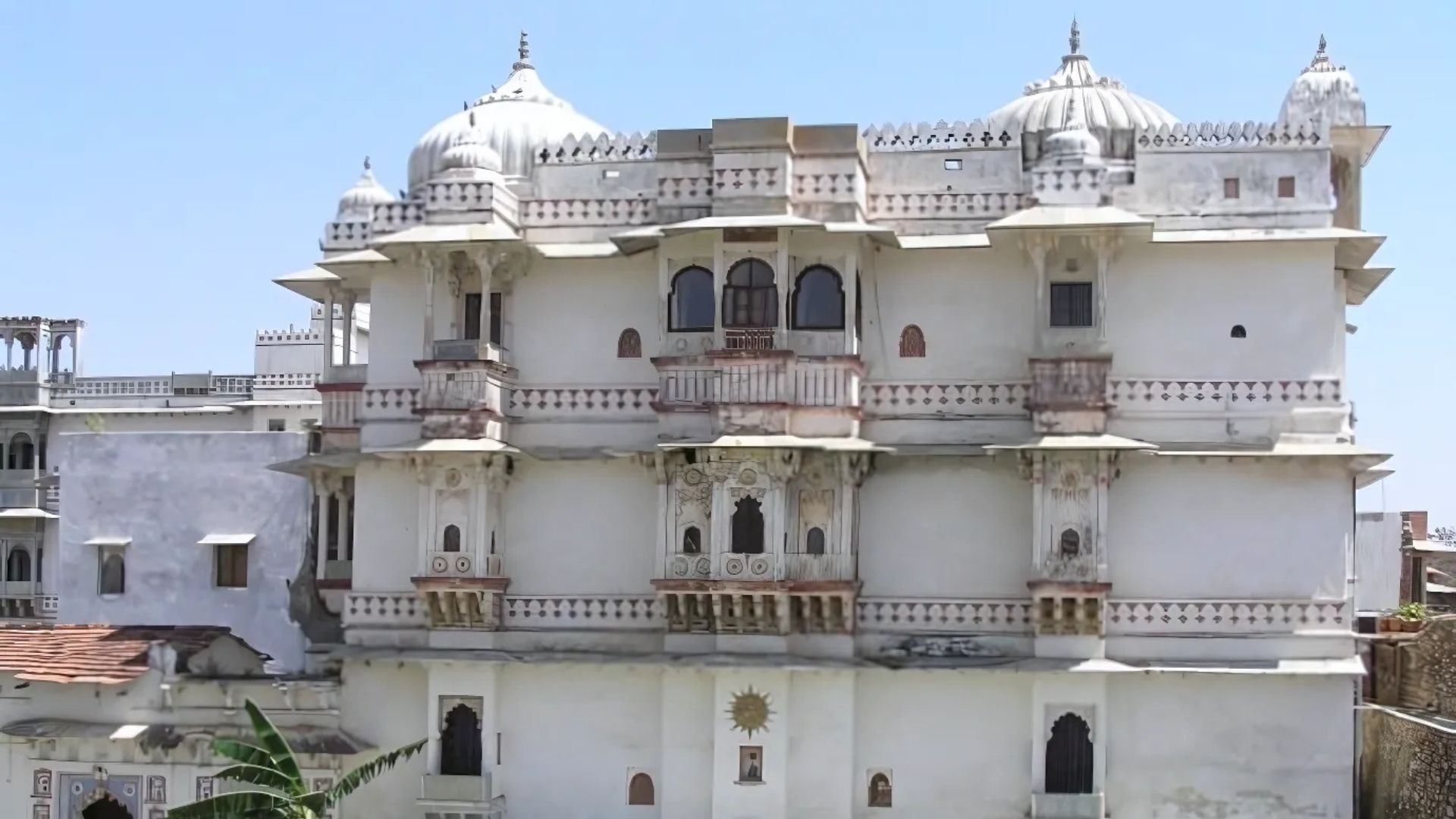
Back at Castle Bijaipur, we’re greeted by its enchanting blend of modern comforts and Mughal inspired architecture.
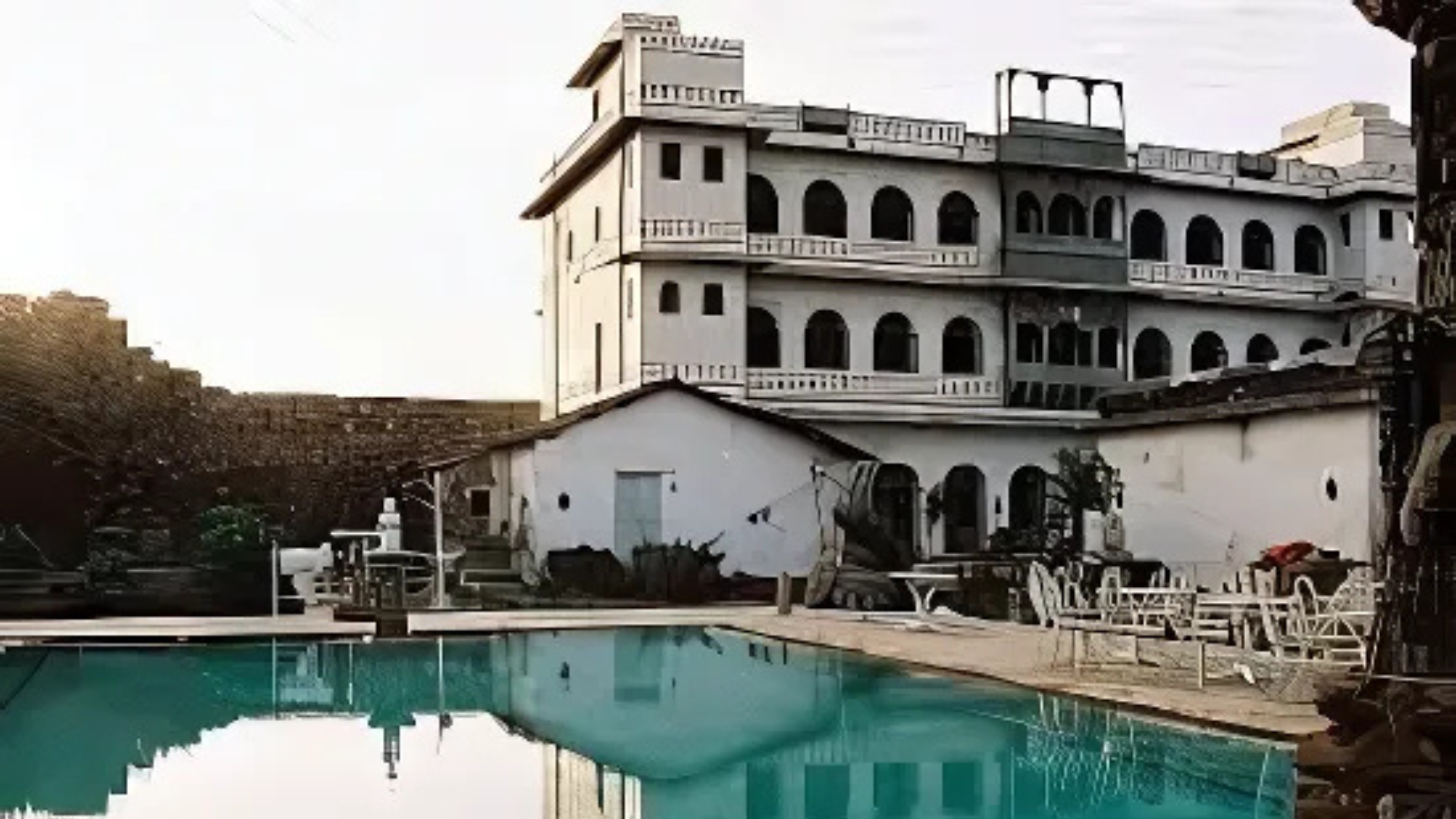
The palace invites relaxation, whether lounging by the pool, unwinding in the tranquil gardens, or simply soaking in the famed Mewar hospitality extended by the royal family and staff.
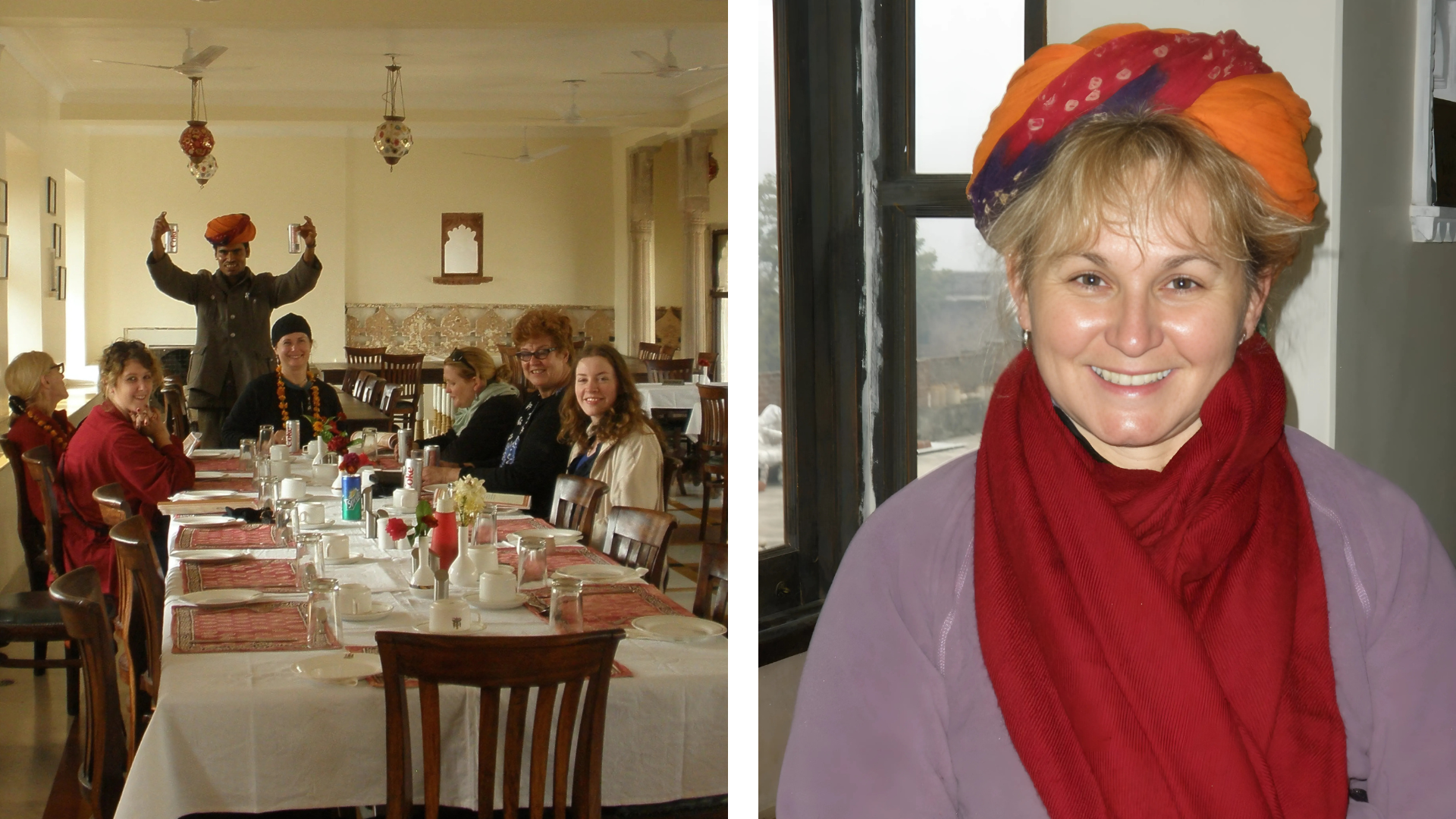
Lunch becomes a delightful affair as the girls and I savour a meal while sharing a light hearted photo opportunity with the warm and welcoming castle staff.
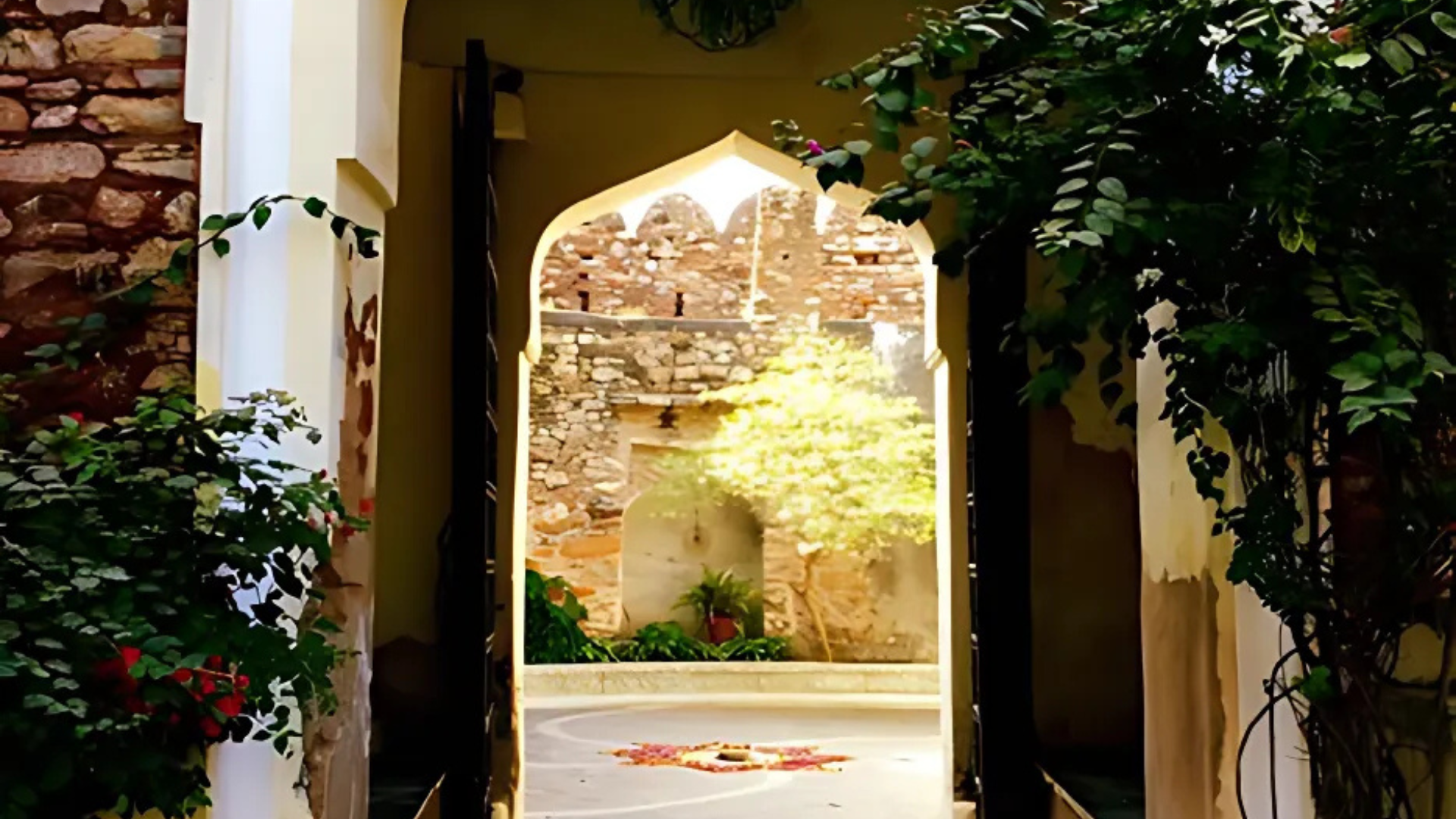
The afternoon is a blissful escape, spent lazing at the castle, immersed in the quiet luxury of its surroundings.
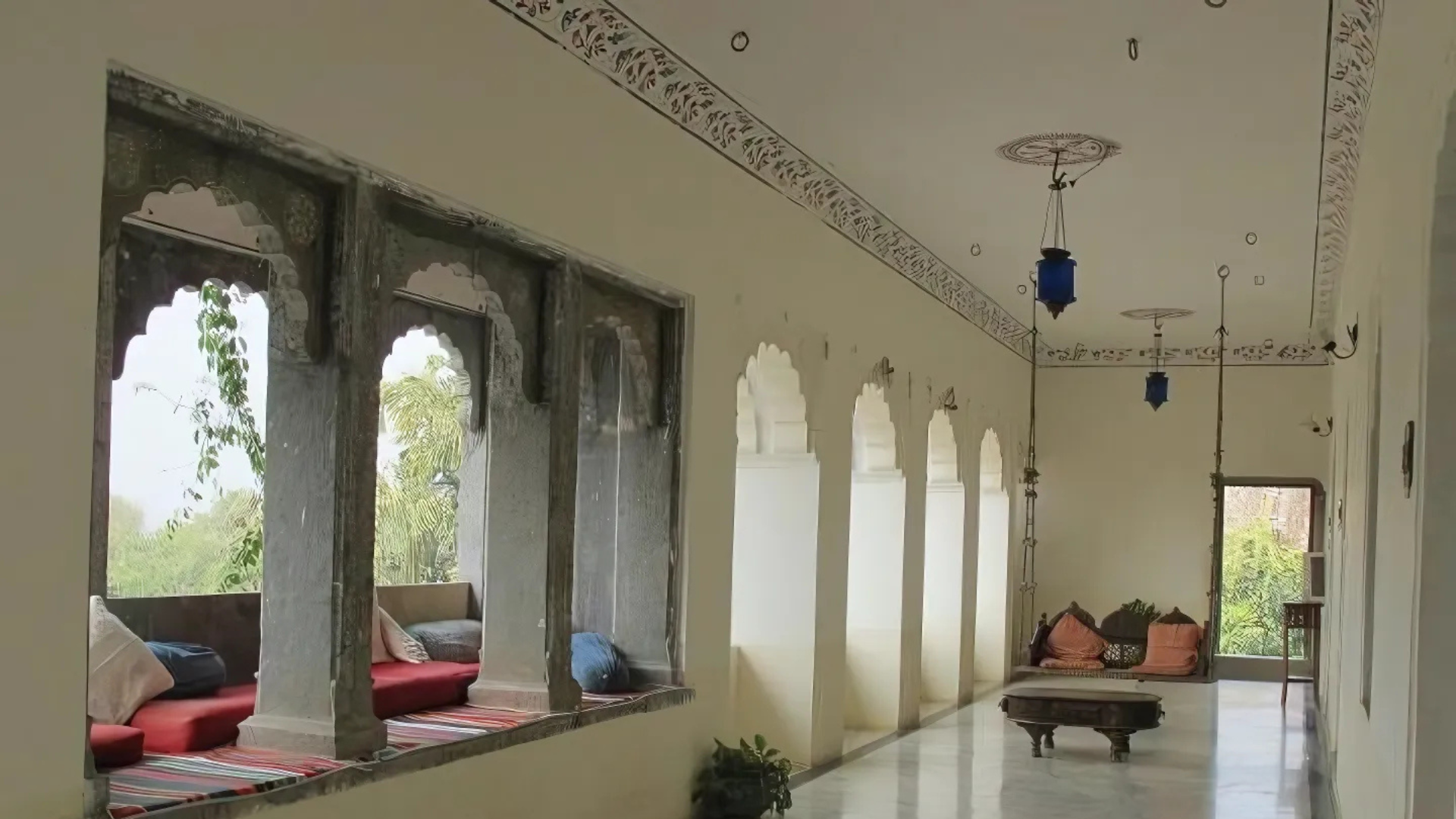
A cozy spot becomes my retreat as I enjoy an opportunity to do some journalling, with the timeless ambiance of the castle creating a perfect backdrop for relaxation.
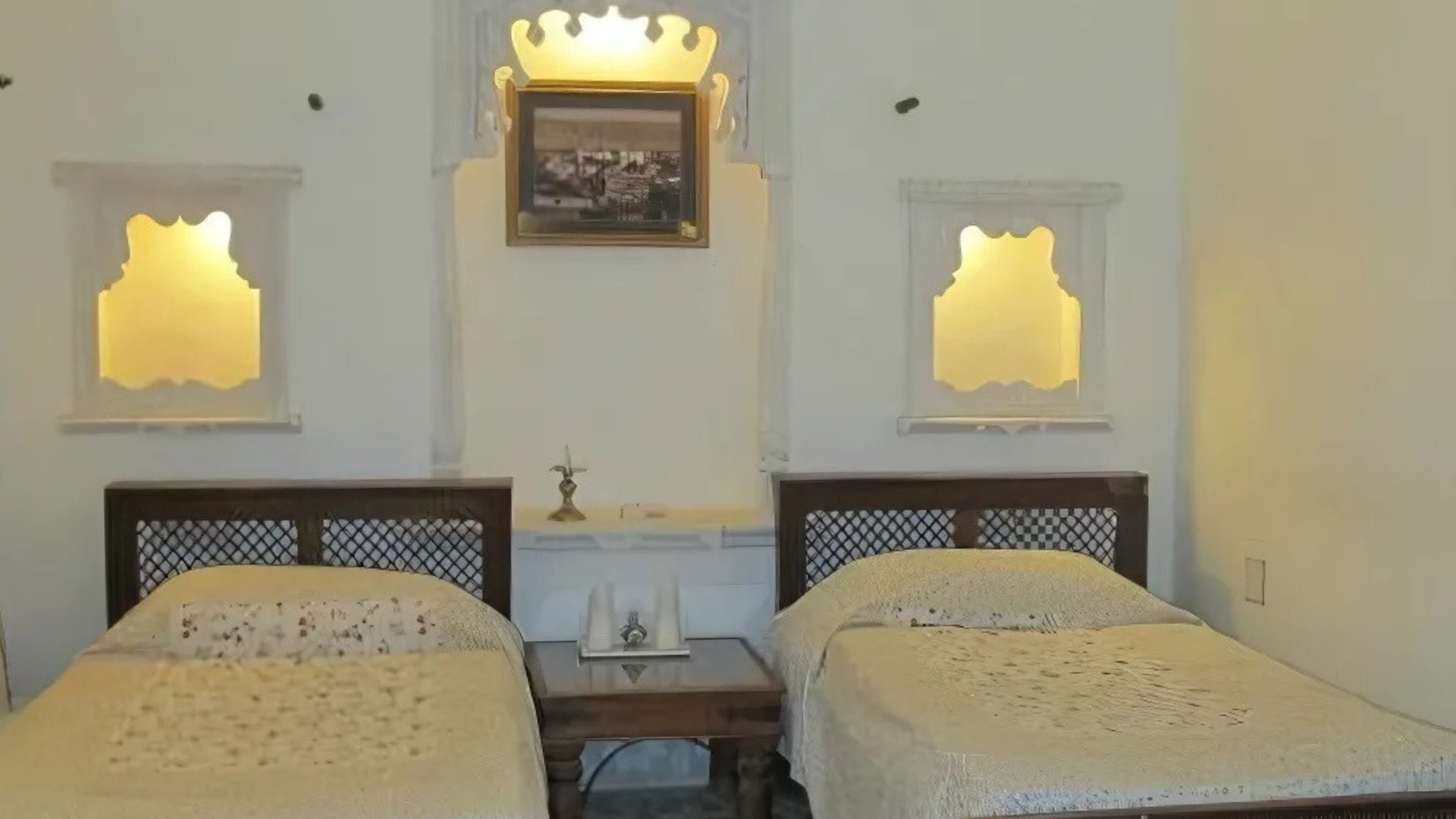
My room buddy and I can spread out in our castle bedroom, steeped in heritage charm that offers the ideal end to the day, a sanctuary that promises another night of peaceful sleep within the embrace of Rajasthan's storied past.
Some of us opted for an early start to the day, attending a yoga class led by Ranga Rao, a truly insightful and grounding experience to begin the morning.
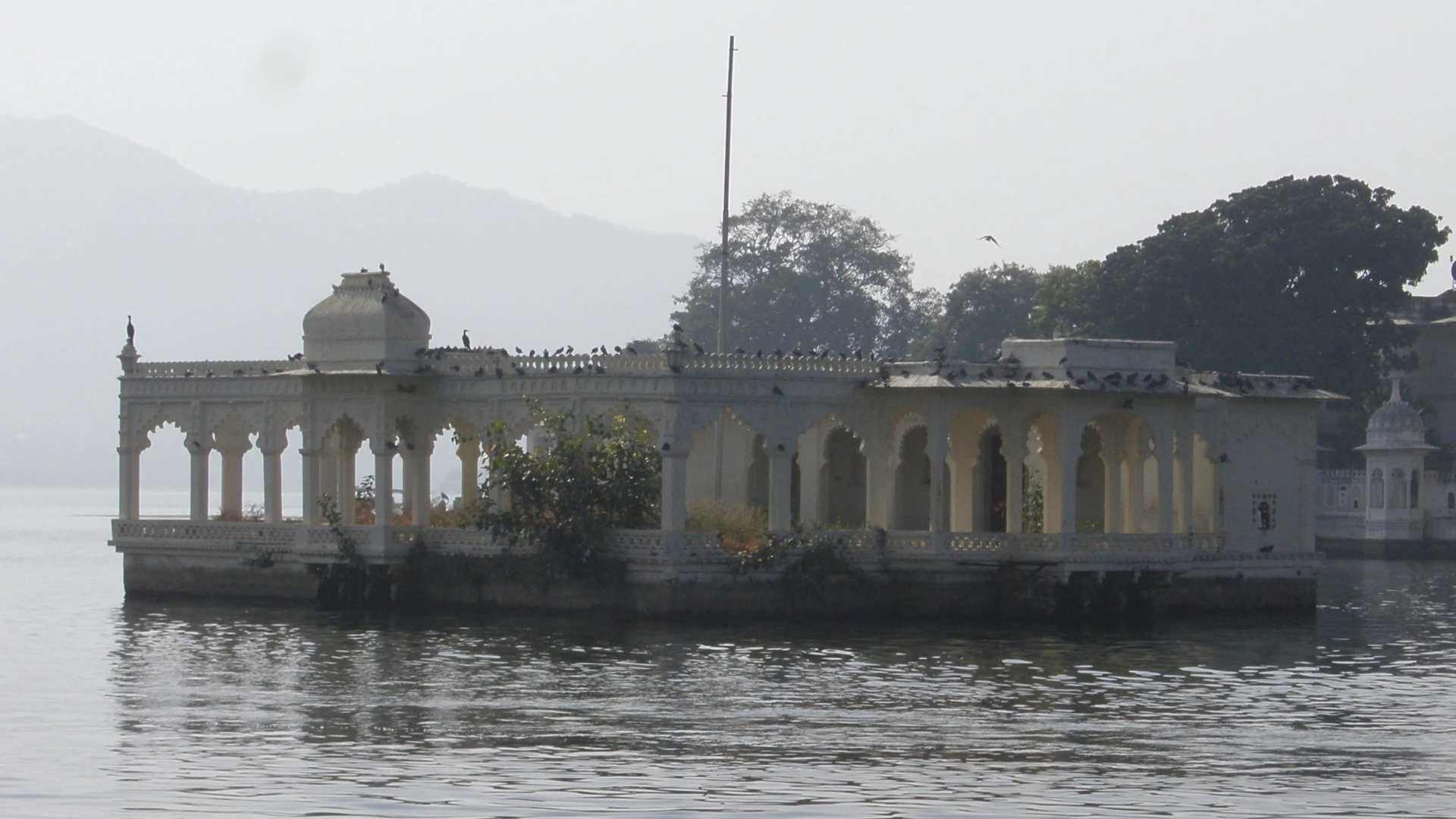
After breakfast, we set out for a journey through time and beauty, traveling approximately four hours by private vehicle to the enchanting city of Udaipur, a destination brimming with history, lakes, and regal splendour.
Known as the City of Lakes, Udaipur is the capital city of the Udaipur district in Rajasthan. It holds a distinguished place in history as the former capital of the Mewar Kingdom, ruled by the Guhils (Sisodia) clan. Maharana Uday Singh strategically shifted the capital from Chittorgarh to Udaipur after the Mughal emperor Akbar's conquest of Chittor, establishing a legacy that would define the city. With India’s independence, the Mewar province became part of the state of Rajasthan, further cementing Udaipur’s importance.
Beyond its illustrious history, Udaipur captivates with its rich culture, scenic beauty, and architectural marvels. The city is renowned for its Rajput era palaces, each a masterpiece of artistry and heritage. Often referred to as the ‘Venice of the East,’ Udaipur’s many lakes and romantic charm has also earned it the nickname ‘Lake City.’
As we approach this magical destination, anticipation builds for the treasures it promises to reveal.
After settling into our accommodation for the next two nights, we took a leisurely walk down to the footbridge over Lake Pichola, sighting the monument in the lake.
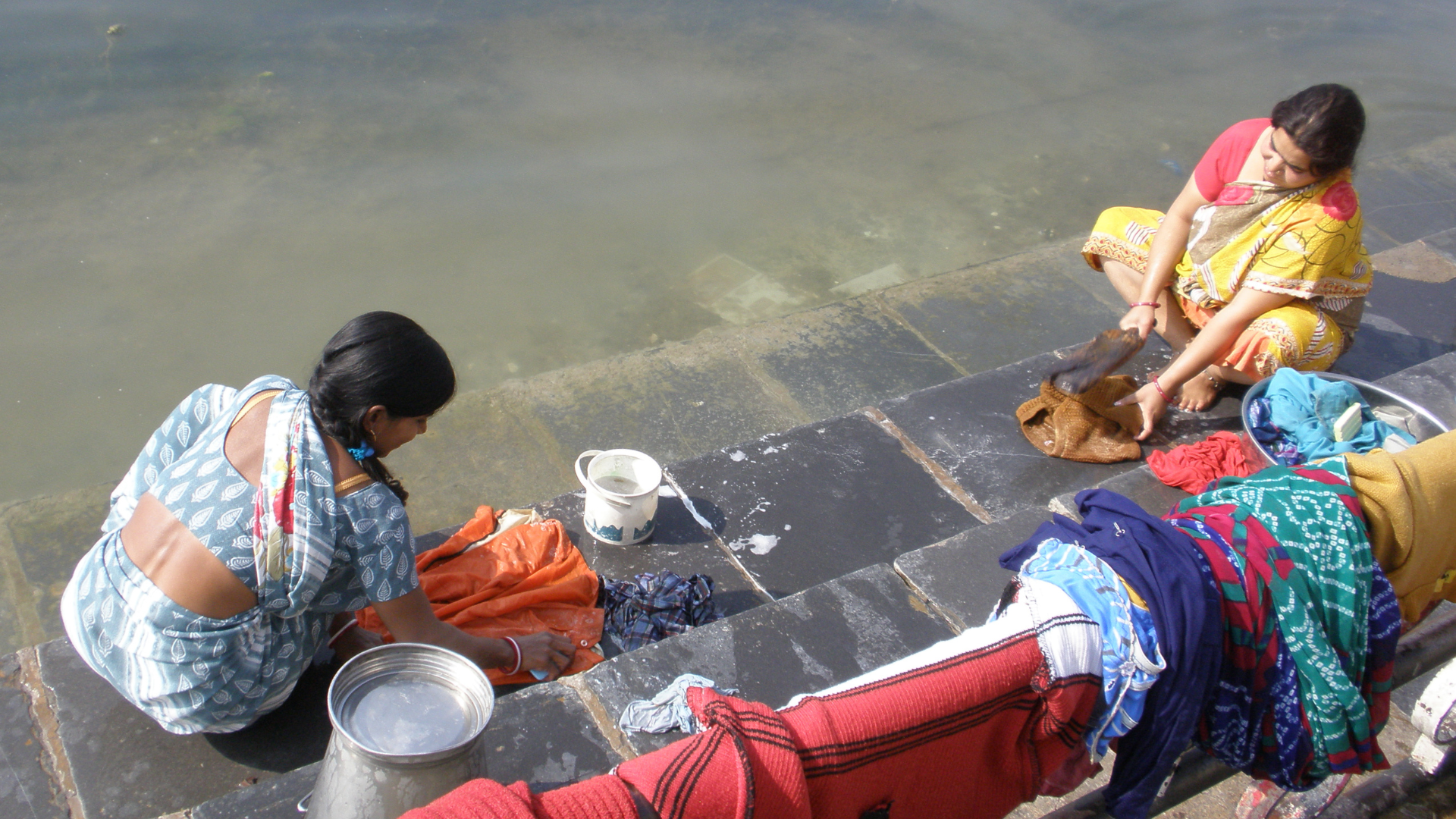
Along the way, we noticed a couple of local women out doing their laundry by the water’s edge, a glimpse into the everyday life of Udaipur.
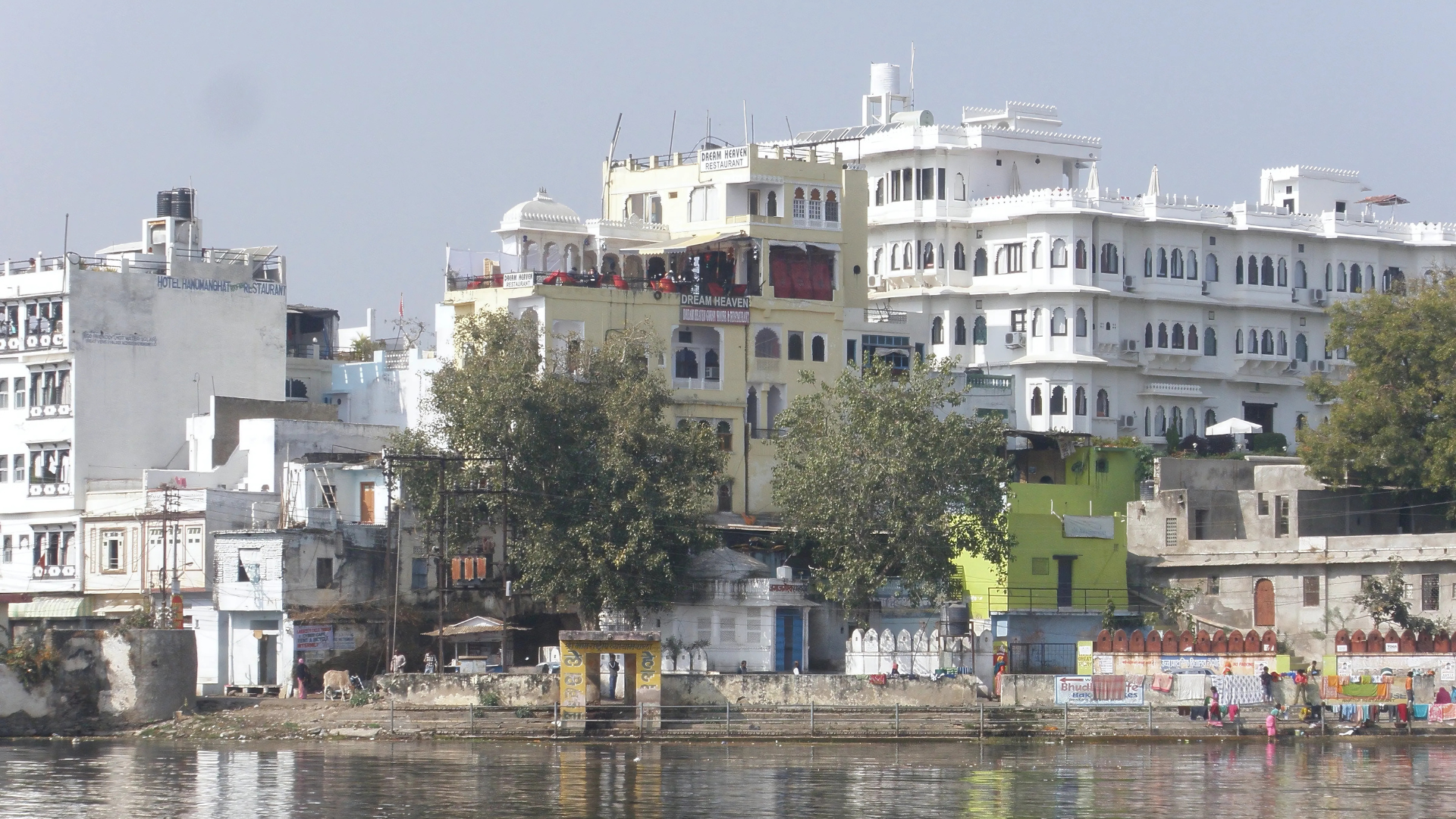
As we approached the old city, more women were gathered, their brightly coloured saris adding a vibrant contrast to the water’s edge.
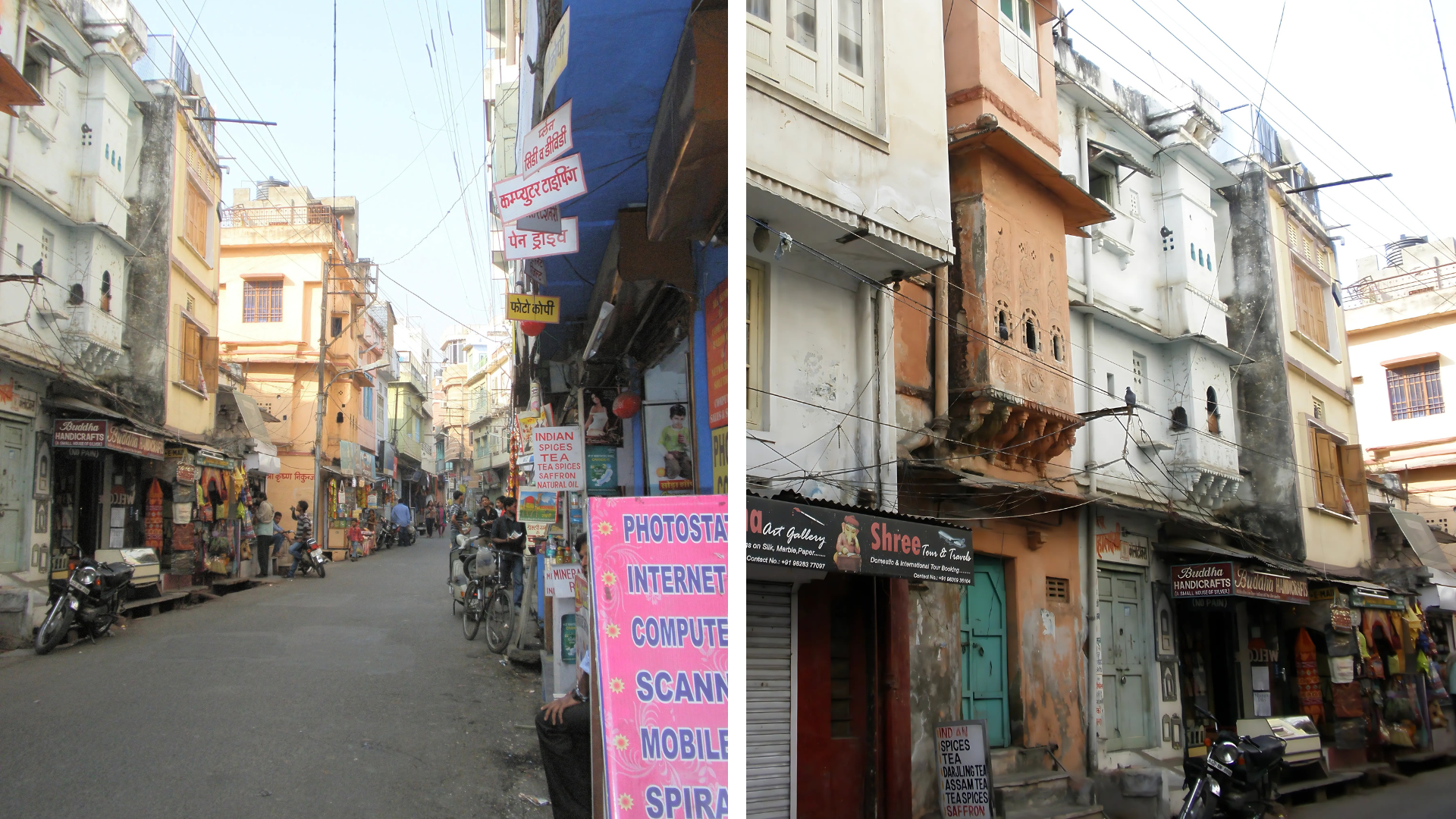
From there, we made our way into the enchanting atmosphere of the old town, ready to explore its vibrant streets and the bustling Bada Bazaar. Immersing ourselves in the lively rhythm of local life, we were immediately captivated by the city’s unique blend of history and modernity, a testament to its timeless charm and enduring spirit.
The afternoon unfolded as we meandered through twisting laneways brimming with treasures, shops displaying silver jewellery, intricately designed shoes, handcrafted bags, and fine leather goods.
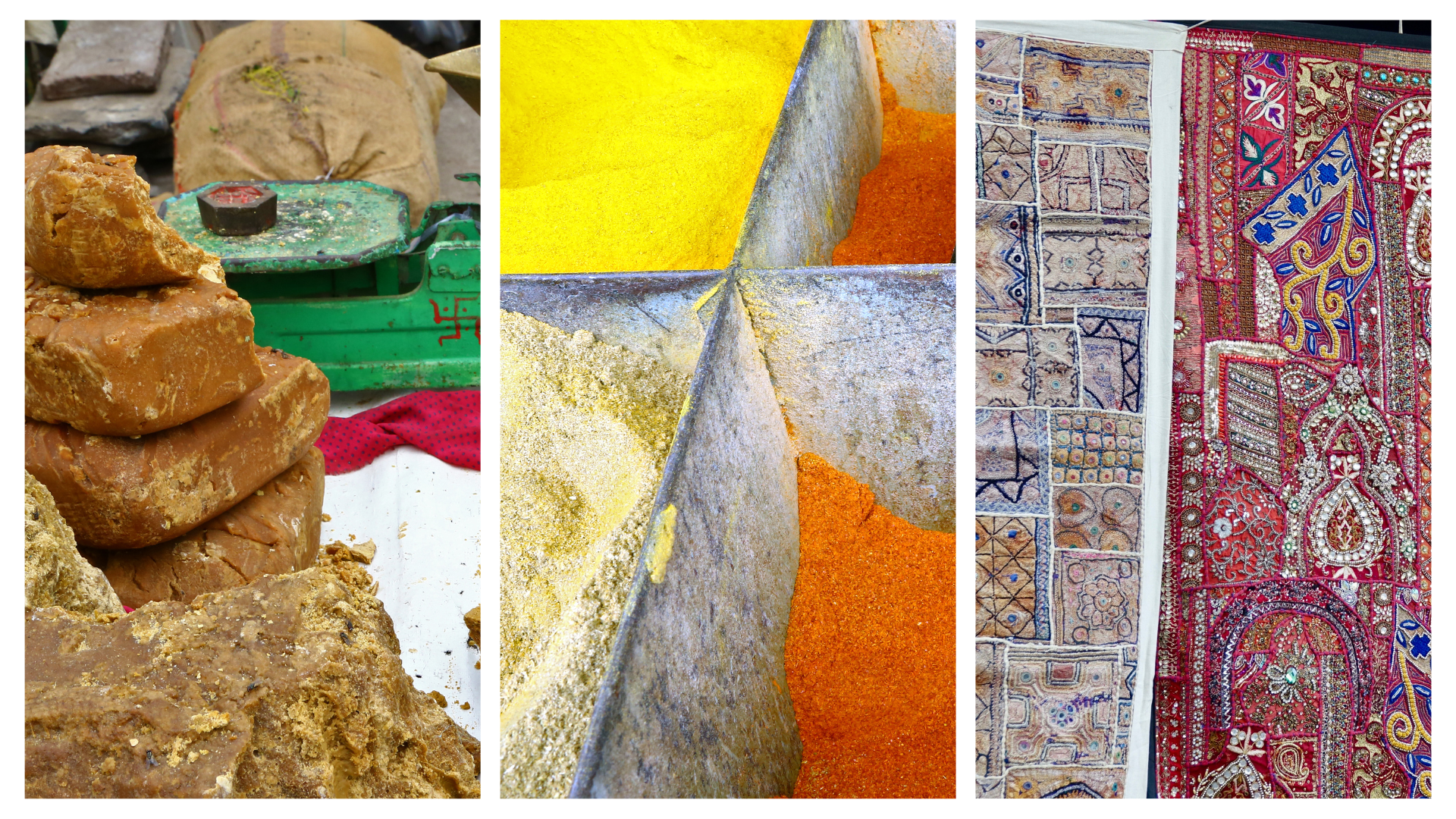
The Bada Bazaar offered an authentic slice of Rajasthan, with its colourful stalls featuring everything from traditional textiles to artisanal crafts, and of cause spices. It was the perfect opportunity to pick up unique souvenirs and immerse ourselves in the artistry of the region.
One particularly fascinating sight was the local production of sugar, that caught my eye as I watched a skillfully worker crush sugarcane using a handmade machine, transforming it into raw blocks of sugar, which were sold fresh in the market.
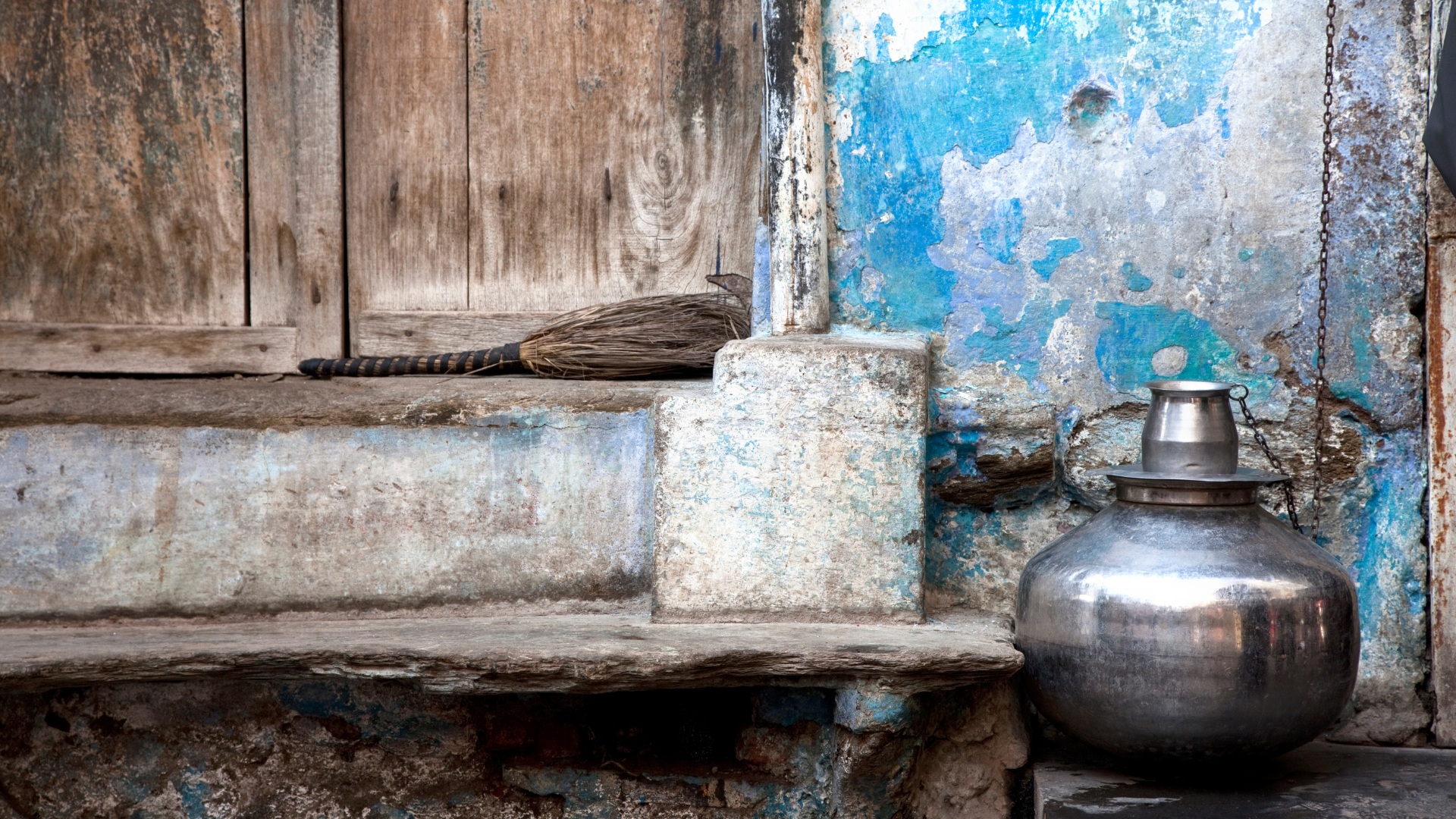
Amidst the hustle and bustle, a stunning silver water pitcher resting near a step in the streets also caught my eye, shimmering in the day light.
The charm of Udaipur's markets and streets extends beyond the goods on offer; it lies in the experience itself, a sensory feast of colour, culture, and the timeless spirit of this captivating Lake City.
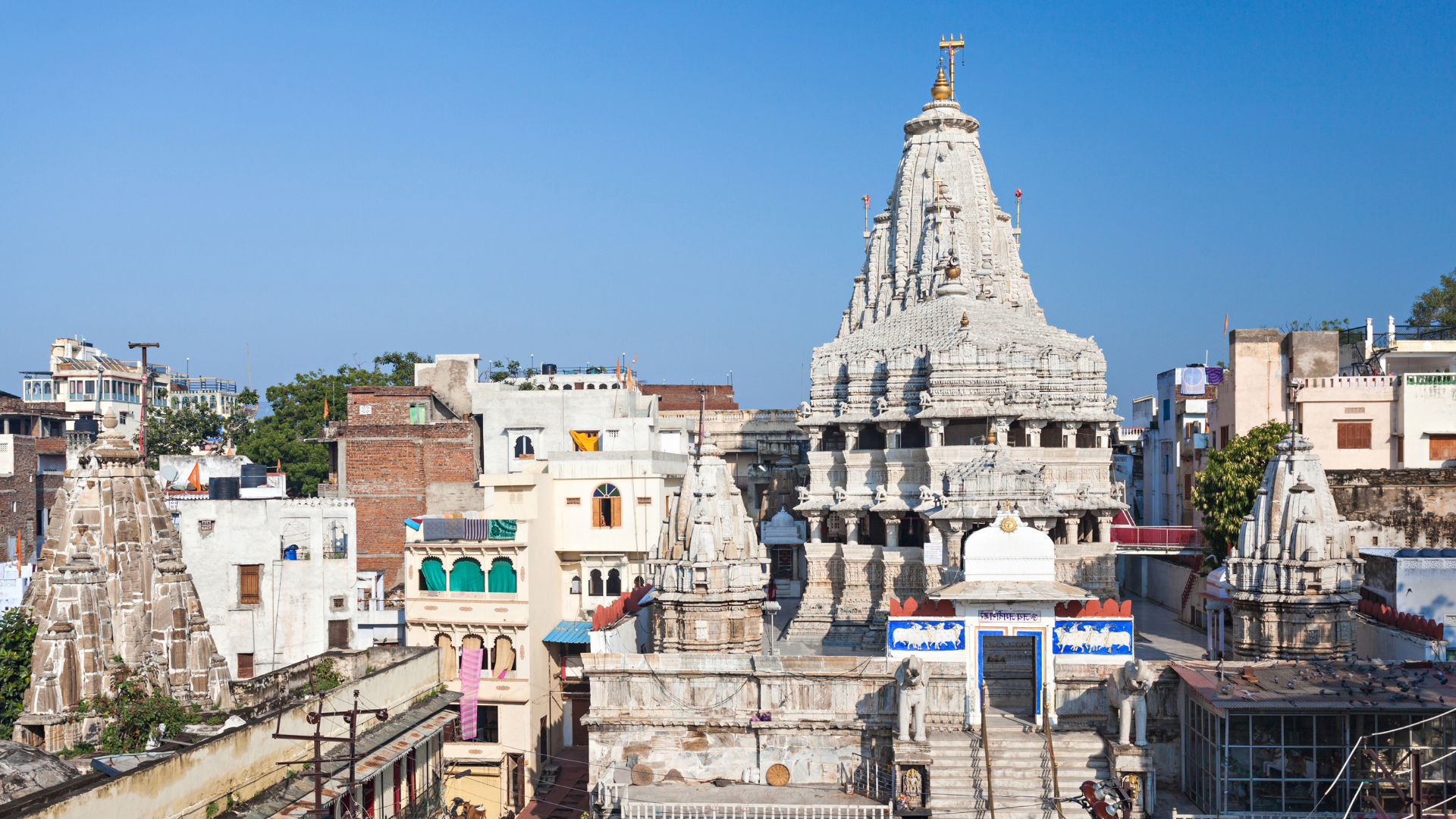
Wandering the old city streets, we discovered that all paths seemed to lead to the magnificent Jagdish Temple, the most important Hindu shrine dedicated to Lord Vishnu, the guardian of the universe.
Even the outer laneways leading from the many sheharpanah, also known as the city wall converge at the Jagdish Temple. Situated just 150 meters north of the outer gate to the City Palace, this iconic temple beckons visitors with its rich history and architectural splendour. At the base of the marble steps leading to the temple, vibrant garlands were being sold, adding a burst of colour and fragrance to the sacred atmosphere.
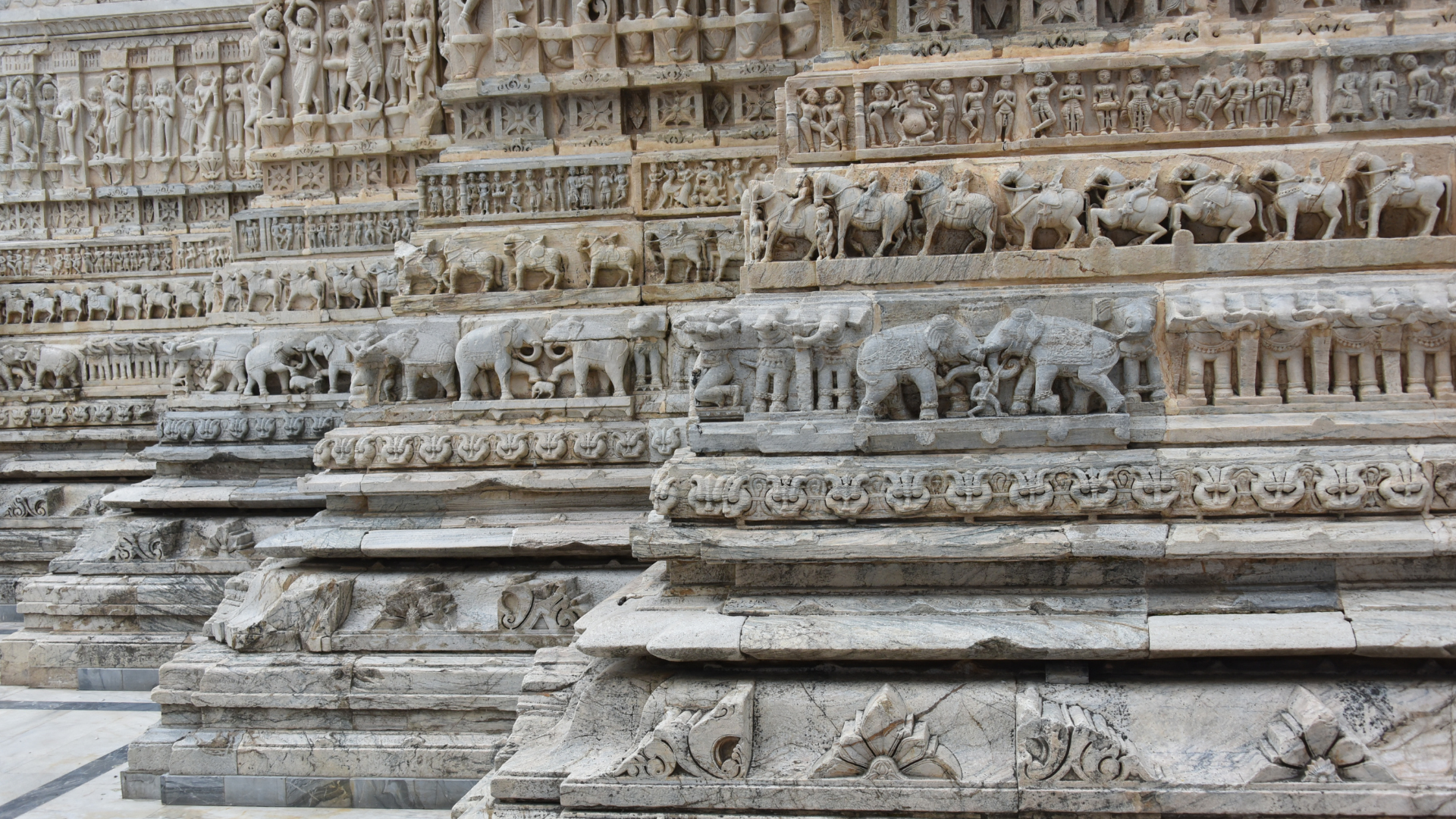
Built in 1640 under the patronage of Maharana Jagat Singh, the temple is a stunning example of Indo-Aryan architectural style. Visitors are greeted at the gateway by two massive stone elephants, a regal welcome to this sacred site, while the temple's exterior is richly adorned with intricate bas-reliefs of gods, animals, dancers, and musicians, each carving a story in stone.
Ascending the marble staircase, to reach the main shrine, where a brass figure of Garuda stands as the vigilant guardian of the doorway to Lord Vishnu. Inside, the central sanctum houses a breathtaking four-armed statue of Lord Vishnu. The main shrine is surrounded by four smaller shrines, each dedicated to revered deities: Lord Ganesha, the Sun God, Goddess Shakti, and Lord Shiva. The base relief, exquisite statuettes, and serene atmosphere make Jagdish Temple not just a place of worship but a timeless monument to the spiritual and cultural heritage of Udaipur.
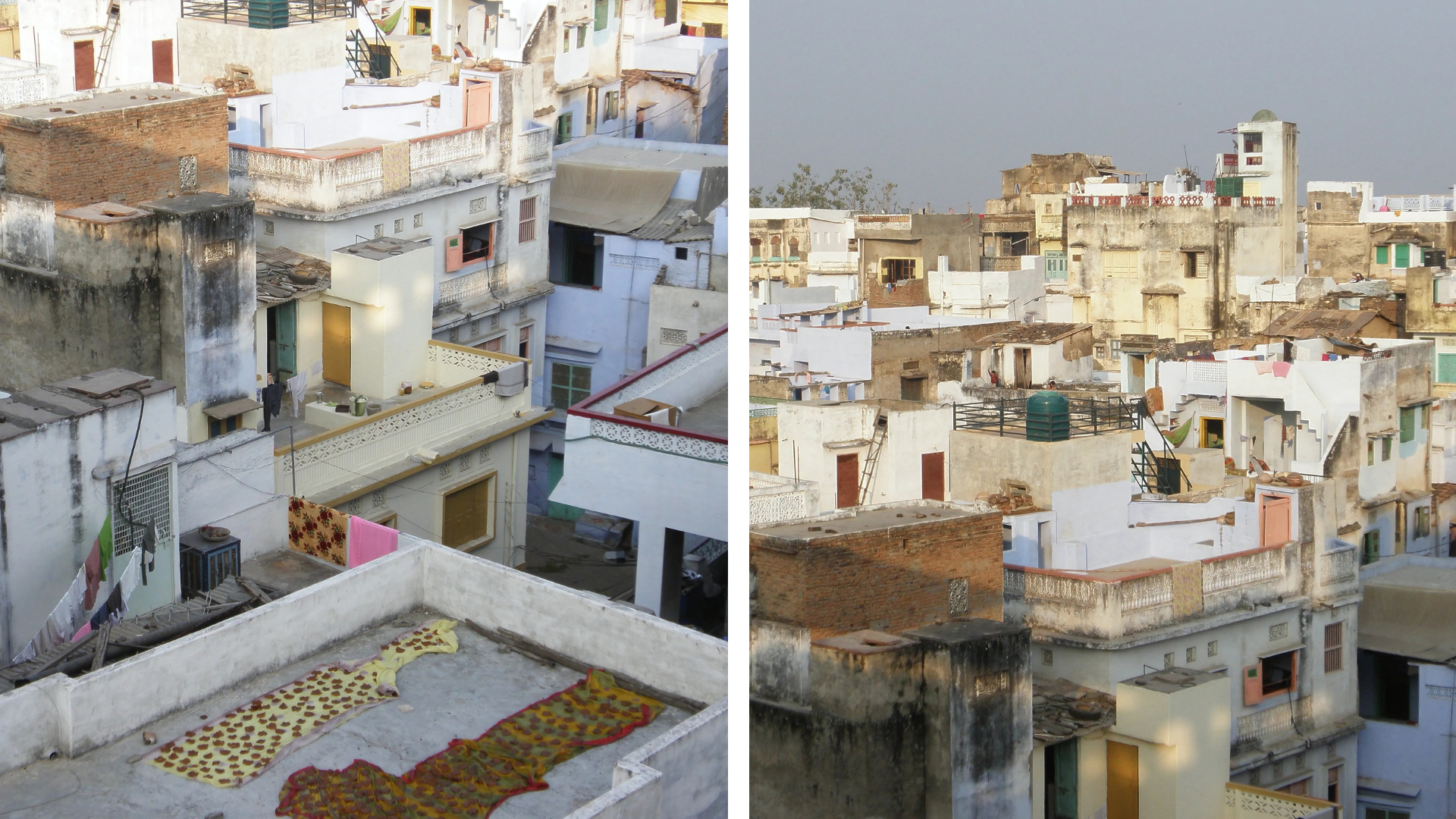
By late afternoon, we took the chance to unwind at one of Udaipur’s old city rooftop bars. While the sights weren’t as dramatic, the elevated vantage point still offered a pleasant perspective of the city’s bustling life below.
With a free evening ahead, our group naturally split up. Some of us gathered for a relaxed dinner at a local restaurant overlooking the lake, enjoying good food, conversation, and the quiet charm of Udaipur at night.
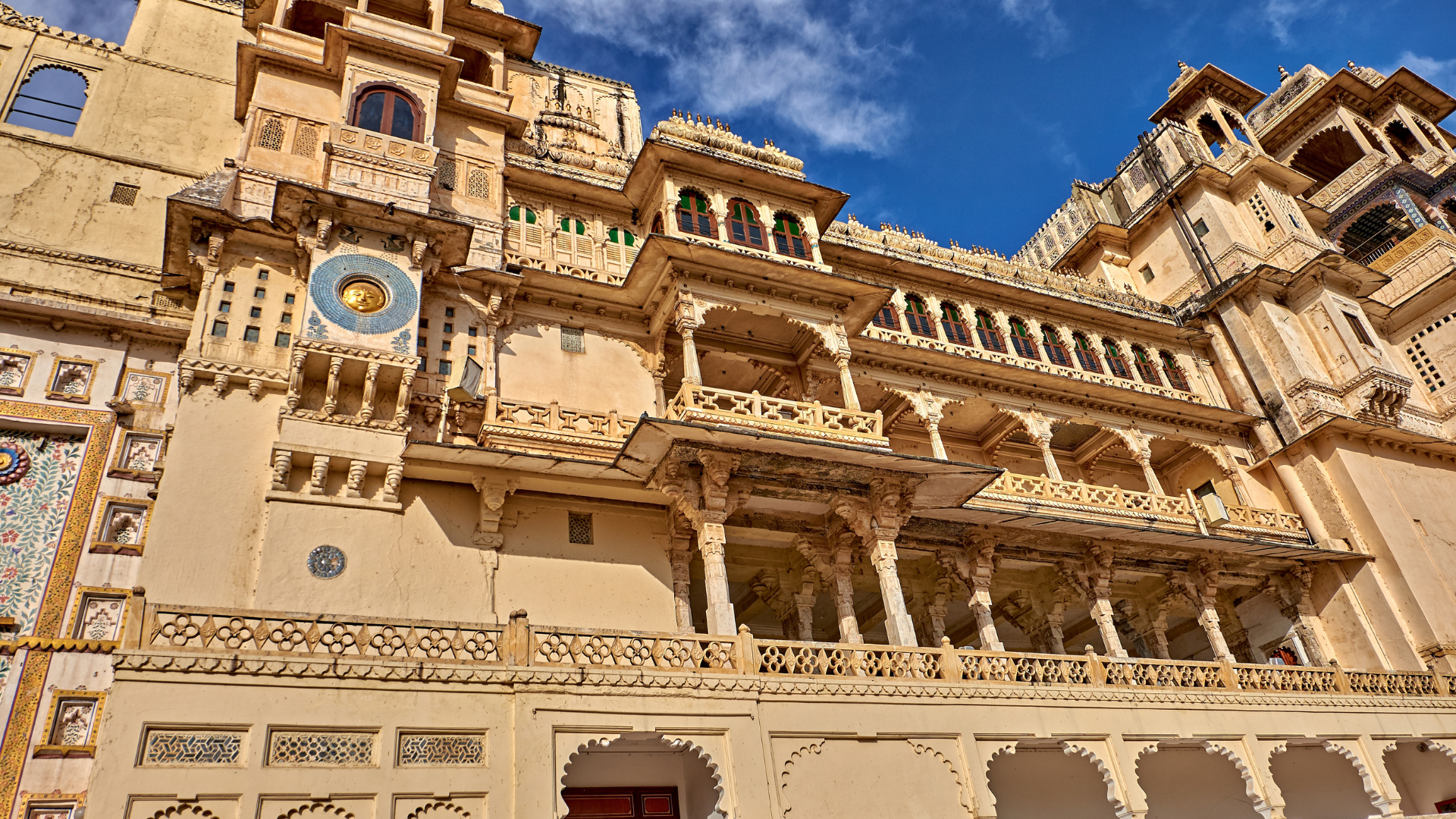
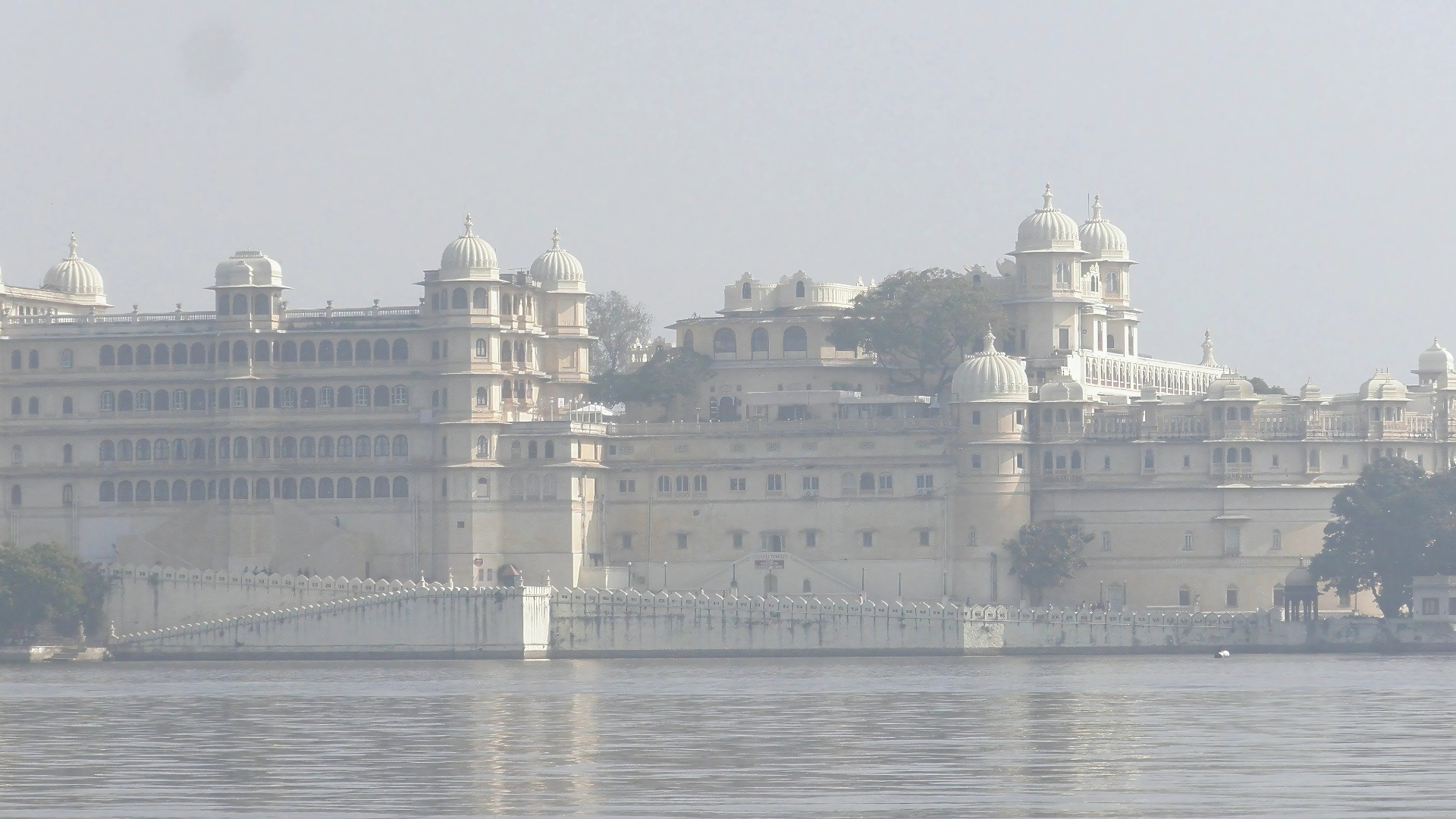
The following day began with a captivating morning tour of the grand City Palace, also known as the Royal Palace of India. Perched on the eastern banks of Lake Pichola, this sprawling palace complex was initially established in 1559 by Maharana Udai Singh as the capital of the Sisodia Rajput clan. Over centuries, Udai Singh’s successors added their own architectural contributions, making this the largest royal palace in Rajasthan and one of the most expansive in all of India.
The City Palace is a masterpiece of design, blending Mughal and Rajasthani architectural styles. Its immense complex is an intricate maze of mahals, courtyards, pavilions, corridors, terraces, rooms, and gardens. Towers and cupolas rise gracefully above the lake, and the imposing façade stretches 244 meters in length and 30.4 meters in height, a striking contrast to the natural beauty of the surrounding Aravalli Hills.
From its vantage point, the palace offers panoramic views across Udaipur and the waters of Lake Pichola. Constructed from granite and marble, its exterior adds an air of elegance, while the interior dazzles with opulent décor, elaborate artwork, and traditional motifs. Intricately carved balconies, majestic towers, and domes exude grandeur, harmonising perfectly with the surroundings.
Among the highlights of the palace are the stunning miniature paintings, for which Udaipur is renowned. These exquisite works of art, characterised by their intricate detailing, vibrant colours, and depictions of royal life, battles, and mythological tales, adorn many of the palace walls and add a unique charm to the interiors. Their fine craftsmanship stands as a testament to the city’s rich artistic heritage.
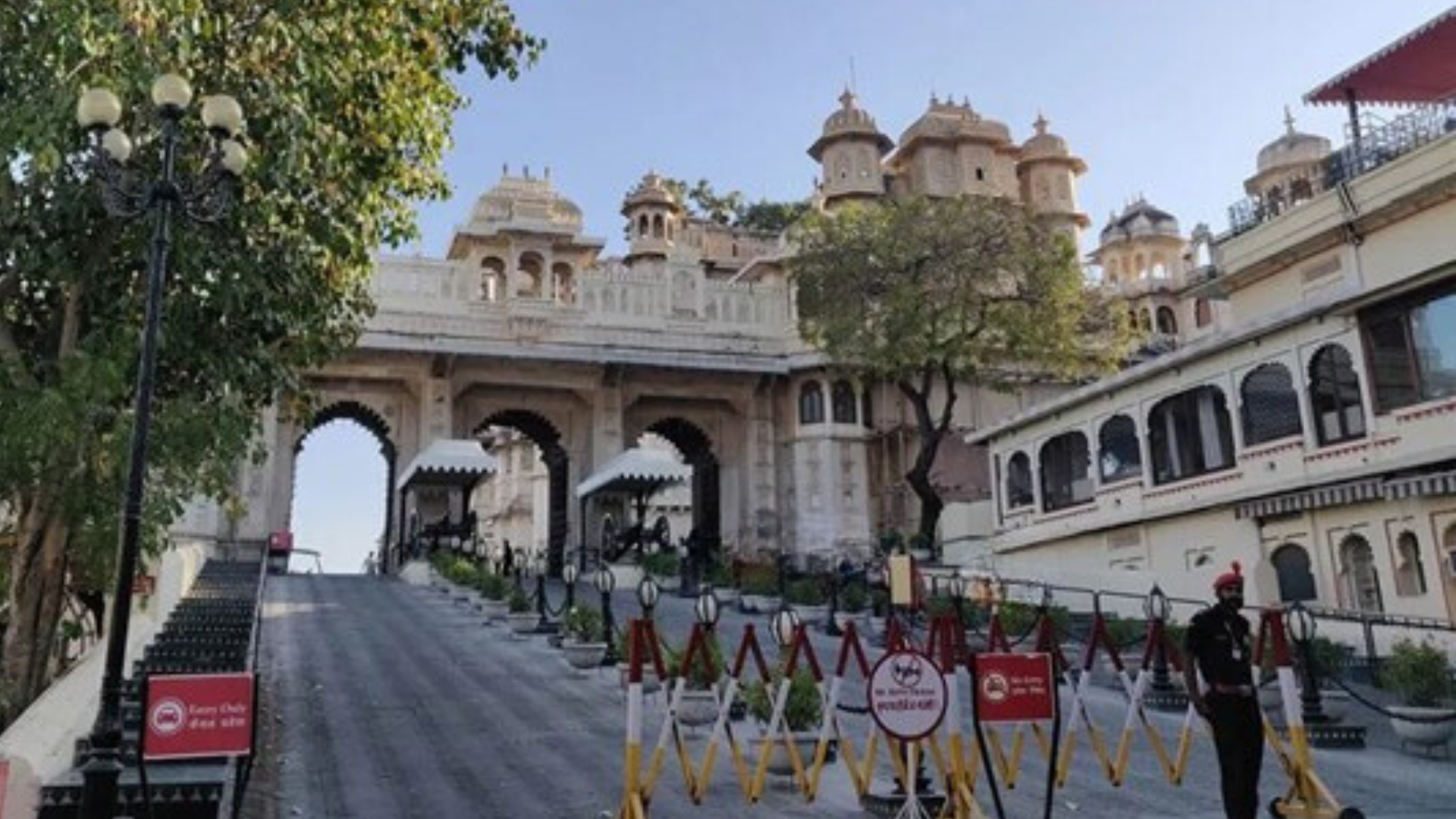
The journey through the palace begins at the grand elephant gate, Hati Pol, followed by Bari Pol, Toran Pol and Tripoli. Within the complex, Amar Vilas, the highest point of the palace, reveals beautiful hanging gardens and sweeping views of the city below. Many of the palace’s mahals have been transformed into museums, showcasing the history, art, and traditions of the region. The 11 stunning palaces within the complex have become galleries, each offering a glimpse into the royal lifestyle of yesteryears.
The City Palace has also gained fame as a filming location, prominently featured in the James Bond movie Octopussy. Iconic landmarks like the Taj Lake Palace, Jagdish Temple, and Monsoon Palace (though not visited) also played roles in the film, adding a touch of cinematic allure to this royal destination.
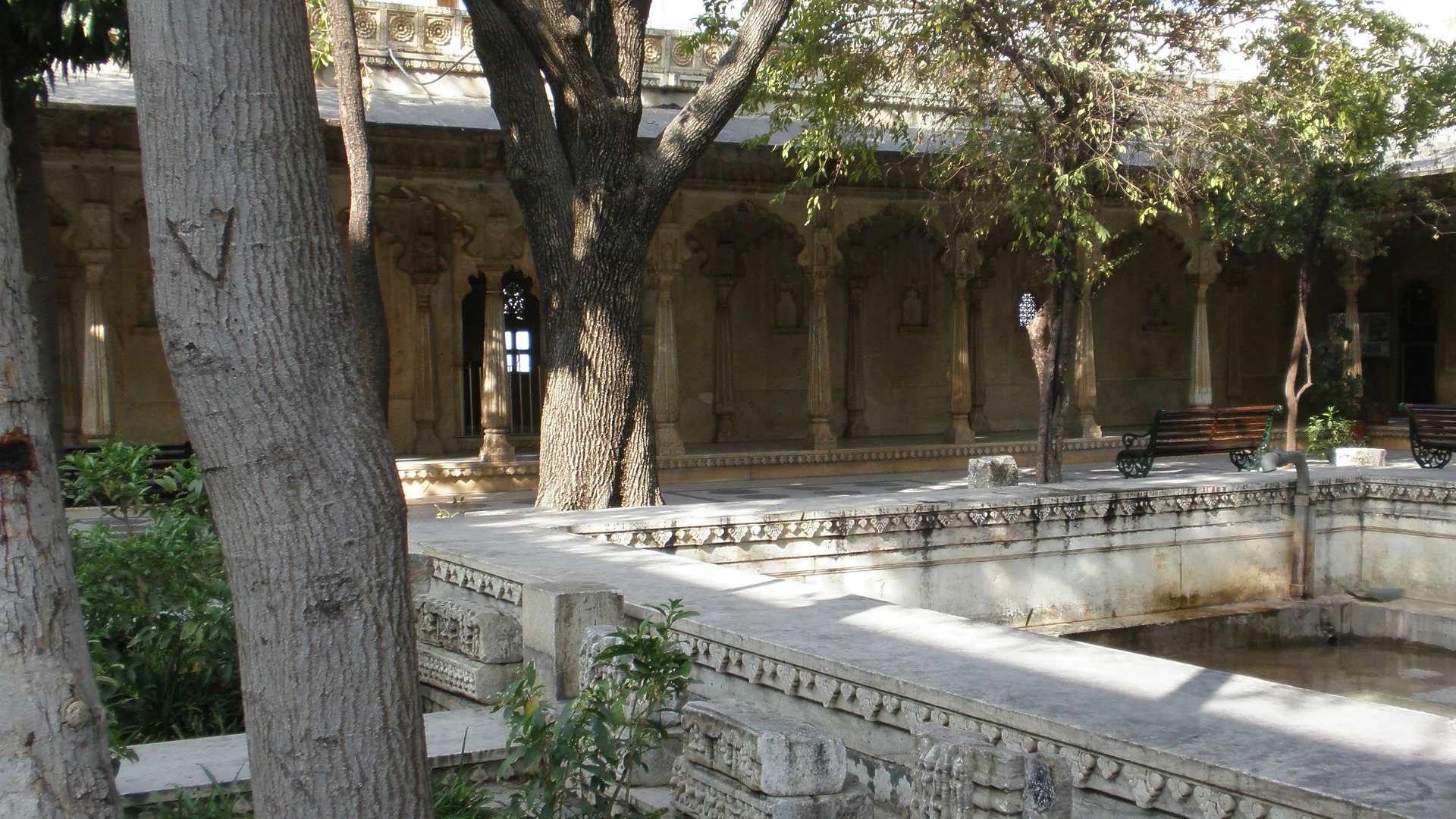
As the tour continues, we find ourselves strolling through Badi Mahal, also known as the Garden Palace. Interestingly, the garden is the highest point within the City Palace, it is situated at ground level, allowing trees and plants to flourish. The lush courtyard, shaded by large trees, offers a comfortable retreat where visitors can relax and take in the grandeur of the surroundings.
Built during the reign of Rana Amar Singh II in 1699, this magnificent structure features 104 intricately carved pillars, each crafted from local marble. The ceiling of the covered walkways is adorned with marble tiles cleverly fixed to reflect the natural beauty of the courtyard.
Badi Mahal once served as the venue for royal banquets and significant religious celebrations such as Holi, Diwali, Dussehra, royal birthdays, and events held in honour of visiting dignitaries.
What truly sets Badi Mahal apart is its wonderful location. Though the highest point of the palace, its elevated position also provides great views of the city and the many floating hotels on the waters of Lake Pichola, making it a highlight of the City Palace experience.
Many visitors were drawn to Badi Chitrashali Chowk, nestled between the courtyards of Badi Mahal and Mor Chowk. This captivating open space features a striking black-and-white checkered floor, vibrant wall murals, coloured glass, and columns adorned with inlaid Chinese blue tiles. Constructed by Rana Sangram Singhji II between 1710 and 1734, it was the ideal setting for royal kings to entertain with music and dancing performances as well as private gatherings.
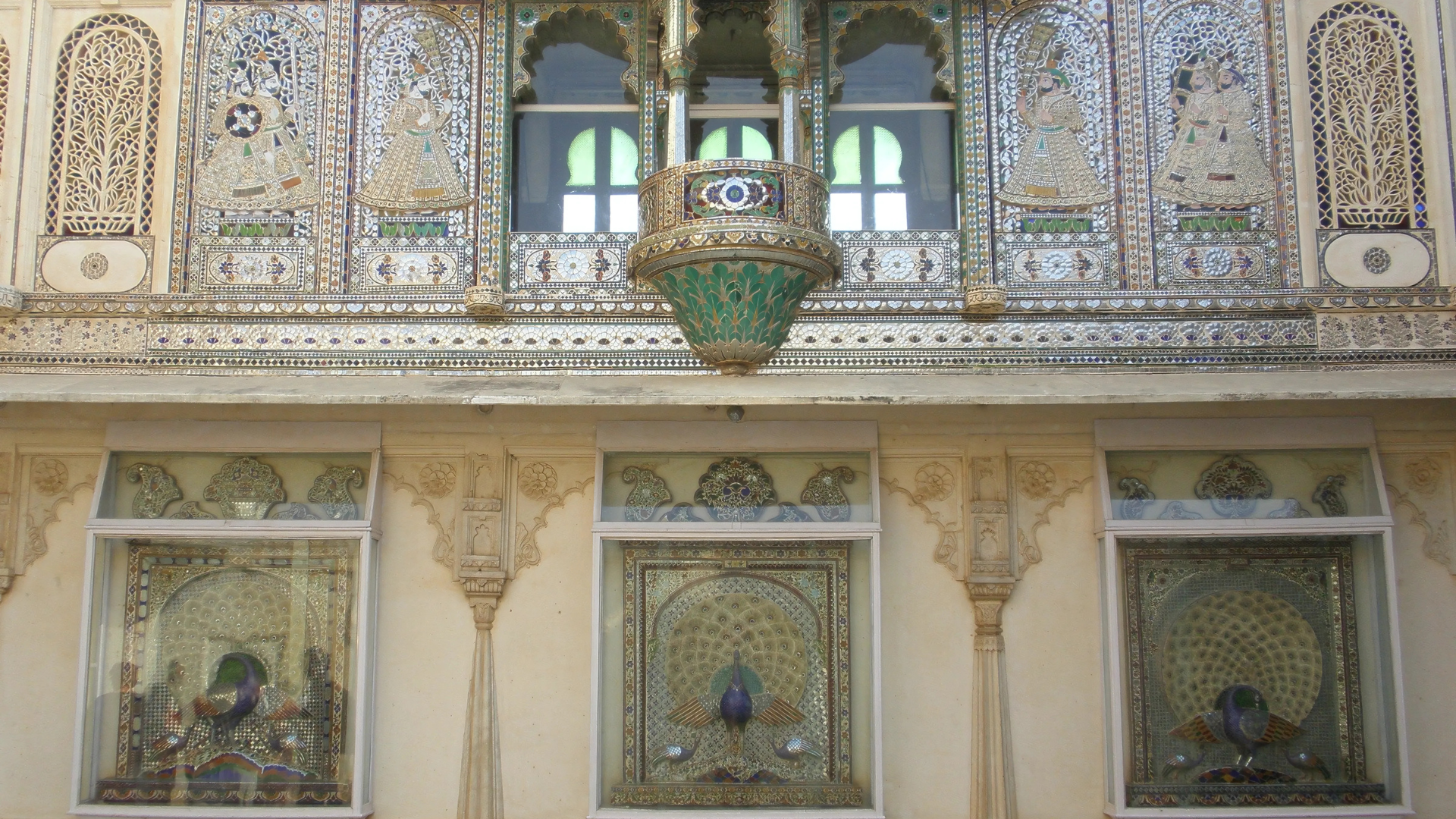
I took a moment to marvel at the ornately exquisite Mor Chowk, also known as the Peacock Courtyard. Featuring the same black-and-white checkered floor as nearby Badi Chitrashali Chowk. Mor Chowk was initially constructed during the reign of Rana Karan Singhji.
However, it was between 1874 and 1884 that its crowning glory was added: an intricate mosaic of five peacocks created using an astounding 5,000 pieces of mosaic tiles and adorned with stunning glass inlay, commissioned by Maharana Sajjan Singhji. This elegant courtyard served as the venue for special royal dinners.
In 2004, weather damage affected the high eastern wall of the courtyard, and it took local artisans 14 months to painstakingly restore it to its former glory. Today, the beauty of Mor Chowk remains a testament to the craftsmanship of Udaipur's artisans.
Mor Chowk marks the final area of the Mardana Mahal, also known as the Palace of Kings. A small passageway from here leads to the Zenana Mahal, or Queen’s Palace. Our guide also shared an intriguing detail: Mor Chowk is available as a venue for weddings, making it a breathtaking location steeped in history and grandeur.
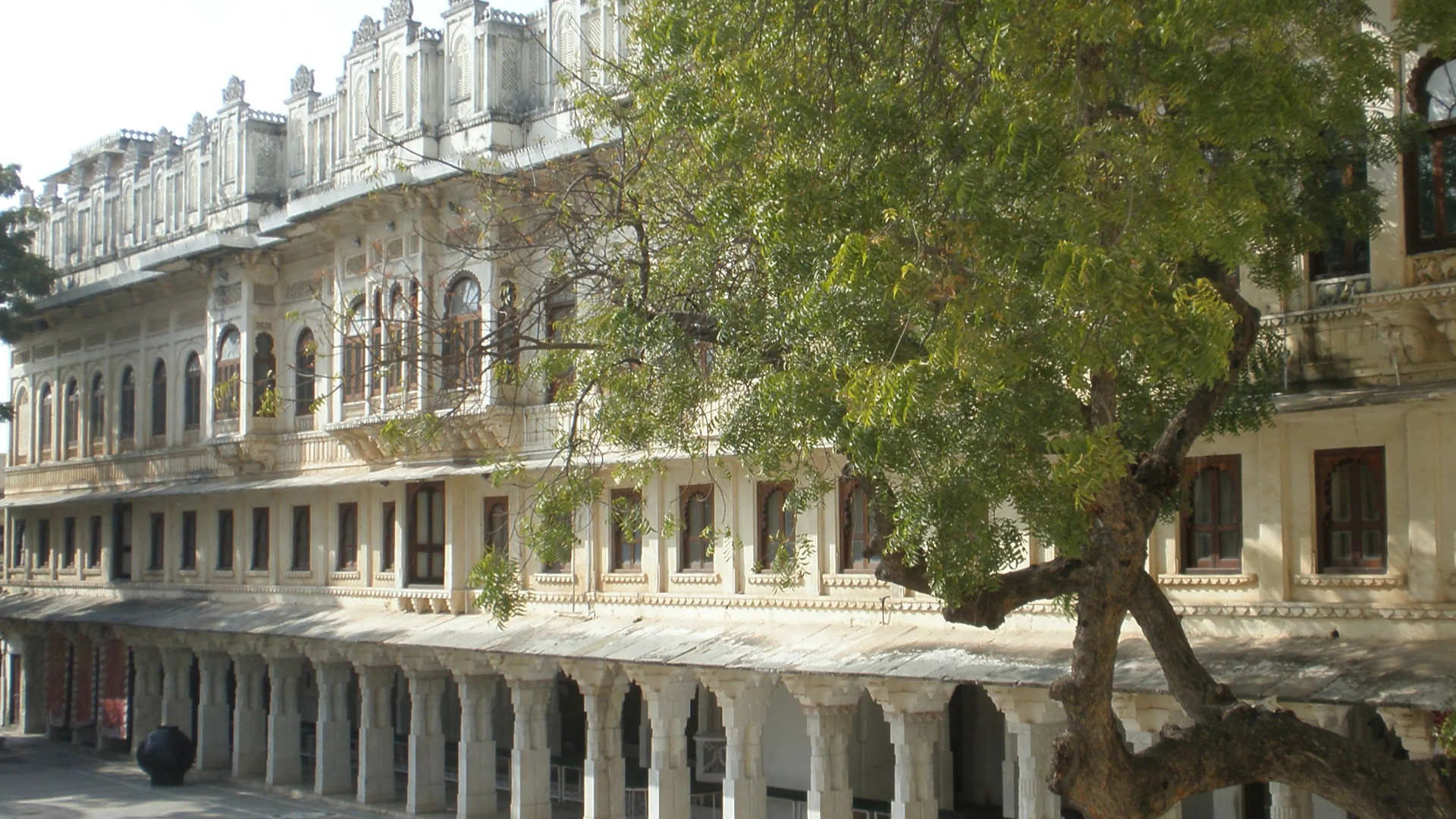
Our guide then led us to the Zenana Mahal, also known as the Rawla or Queen's Palaceis a truly impressive part of the City Palace complex. At its heart lies Chowmukha, a grand open court that once served as a gathering space for the queen, other royal ladies, and ladies-in-waiting during special occasions and festivals. Even today, this magnificent pavilion is used for banquets and other celebrations.
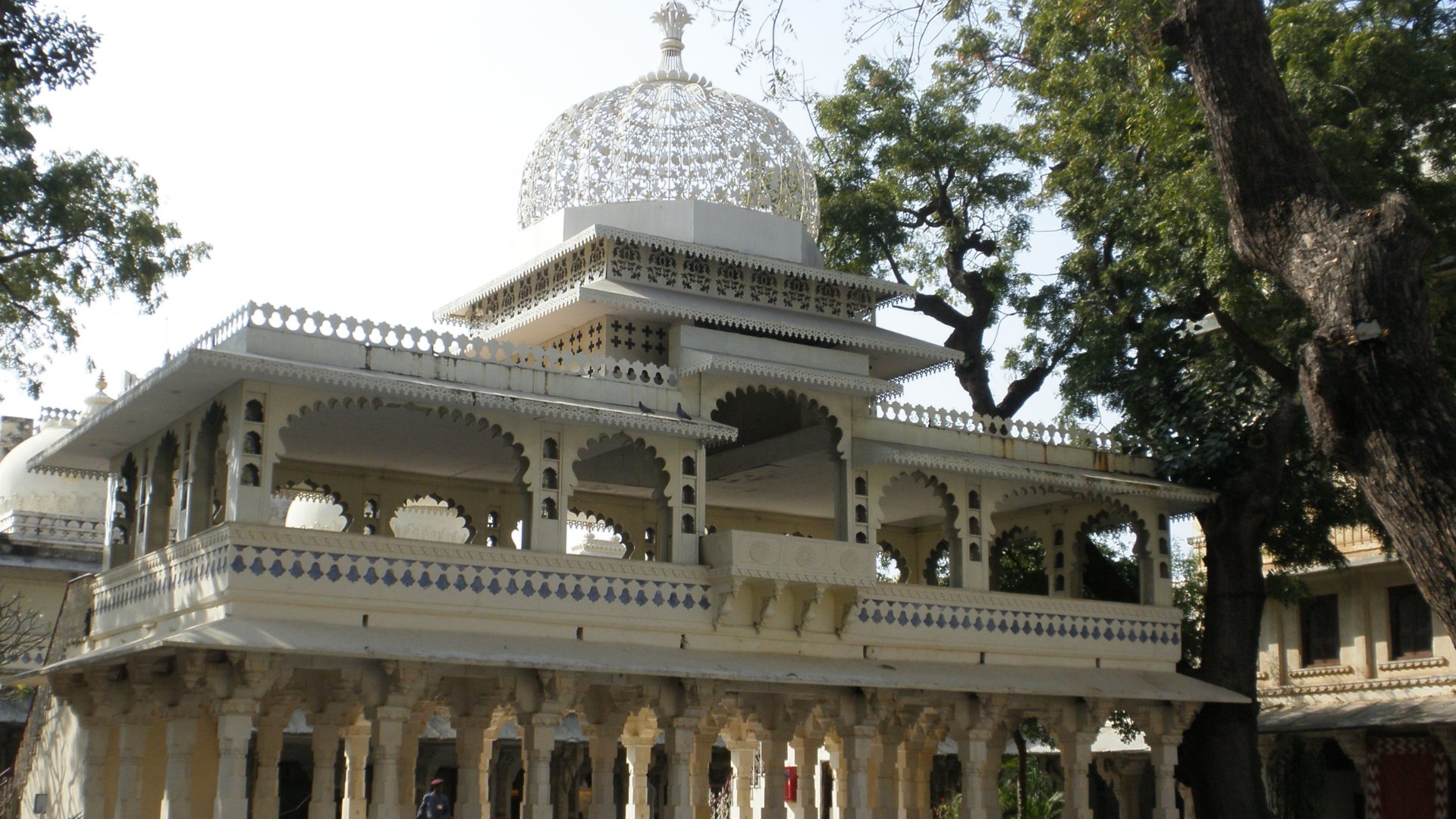
Chowmukha was built by Rana Sangram Singhji II during his reign from 1710 to 1734. Later, the dome atop the pavilion, known as the Millennium Dome, was added to commemorate the turn of the millennium in 1999-2000.
The Zenana Mahal also featured a dedicated chopad; a covered space opening into the court for each queen. These areas offered privacy and a sense of individuality within the larger palace structure. The Zenana Mahal also housed mandirs, sacred temples for religious devotion, in addition to the osara, a semi-covered veranda space where prayers and rituals were performed, providing a private atmosphere for spiritual practices. Including, the ceremony of marriage. Within the Zenana Mahal, visitors are allowed to walk through the queen's chambers, which have been beautifully restored to showcase arts and crafts, frescoes, balconies and alcoves,
Like Mor Chowk, the Zenana Mahal, is available as a venue for weddings, adding a regal touch to modern celebrations.
As we prepared to leave the City Palace, I couldn’t help but feel a profound sense of awe at the grandeur and rich history contained within its walls. Every corner of this magnificent palace complex seemed to echo with the legacy of Udaipur’s royal past, from the intricately carved pillars of Badi Mahal to the vibrant artistry of Mor Chowk and the elegance of the Zenana Mahal. The fusion of architectural brilliance and cultural depth left me captivated, each detail a testament to the skill and vision of the artisans and rulers who brought it to life. Walking through its courtyards, gazing at panoramic views of Lake Pichola, and stepping into spaces that once hosted royal celebrations made me feel as though I had been transported back in time.
Udaipur’s City Palace isn’t just a monument; it’s a living masterpiece, a treasure trove of stories that continues to inspire and amaze. Leaving its gates, I carried with me a deep appreciation for the history and artistry that make Udaipur truly remarkable.
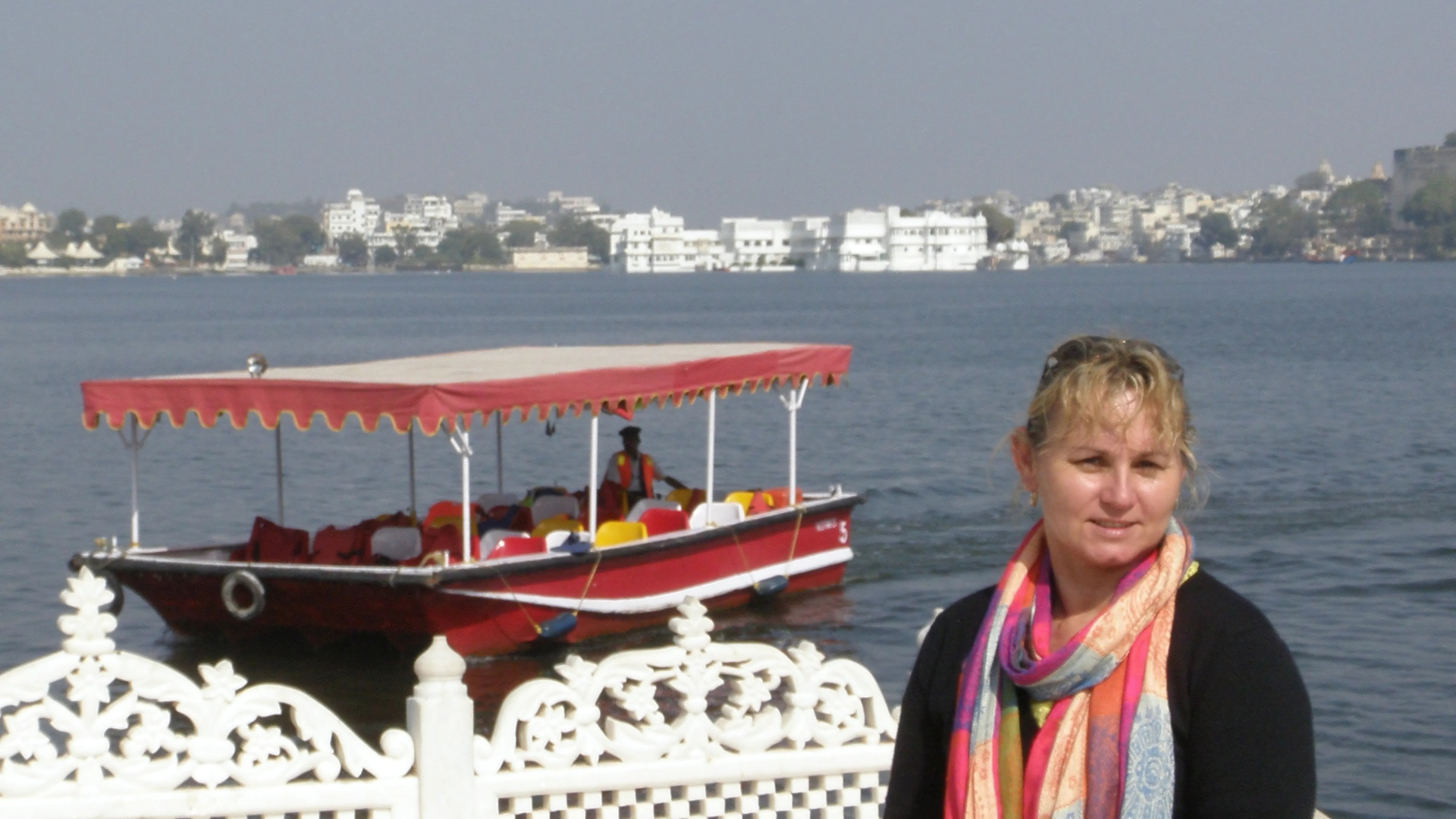
In the afternoon, with free time to explore more of Udaipur’s wonders, a few of us decided to take a boat ride along the waters of Lake Pichola. The journey offered more than just stunning views but also a deeper appreciation of the city’s layered history.
Lake Pichola was originally created in the 15th century by a local banjara tribal chieftain to transport grain across were originally streams. During Maharana Udai Singh II’s reign in 1560 he commissioned the extension of the streams, making the area into dams that became Lake Pichola as seen today.
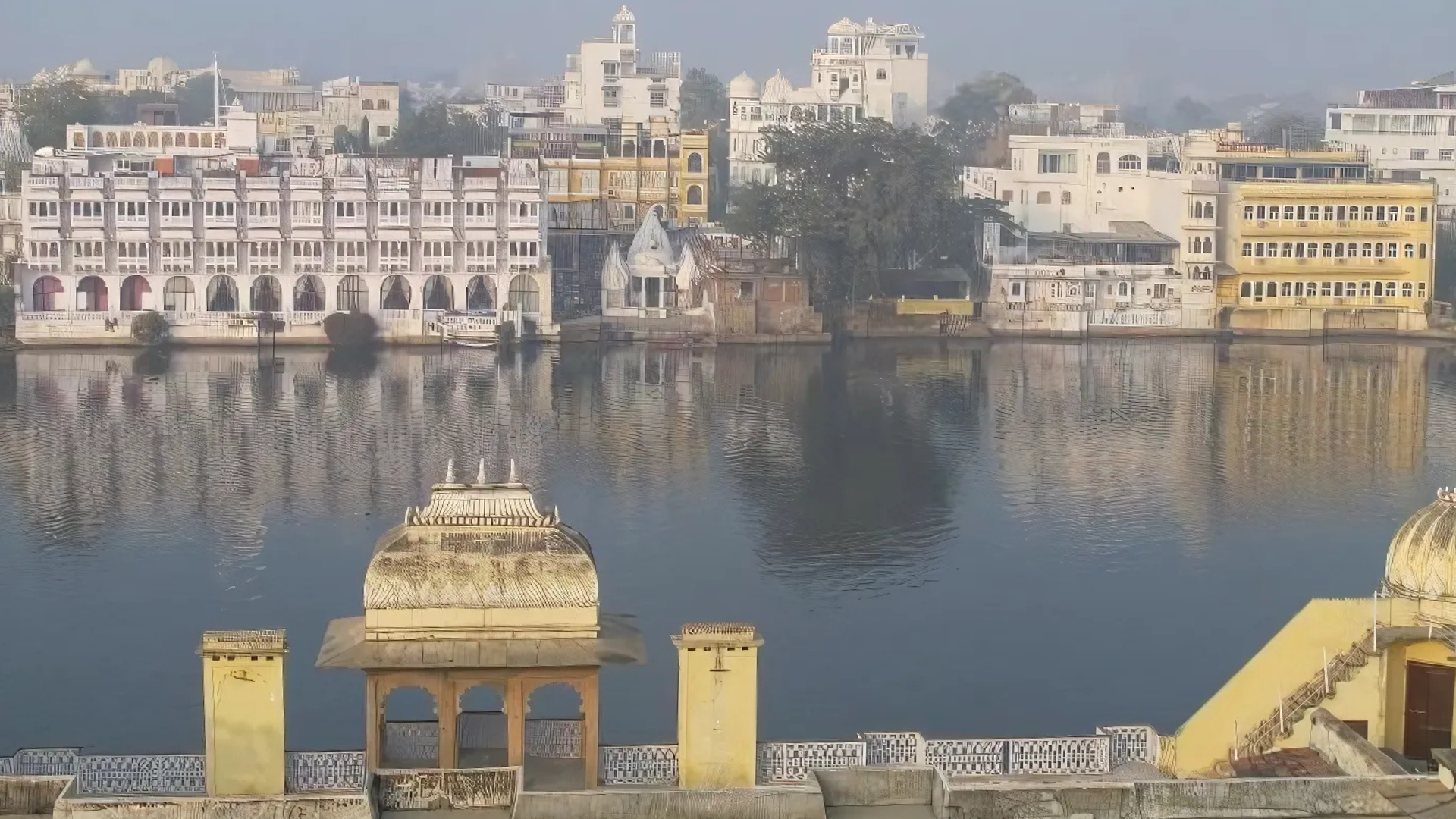
Our boat embarked from the City Palace waterfront, where the silhouettes of historic buildings opposite shimmered softly in the tranquil waters of Lake Pichola.
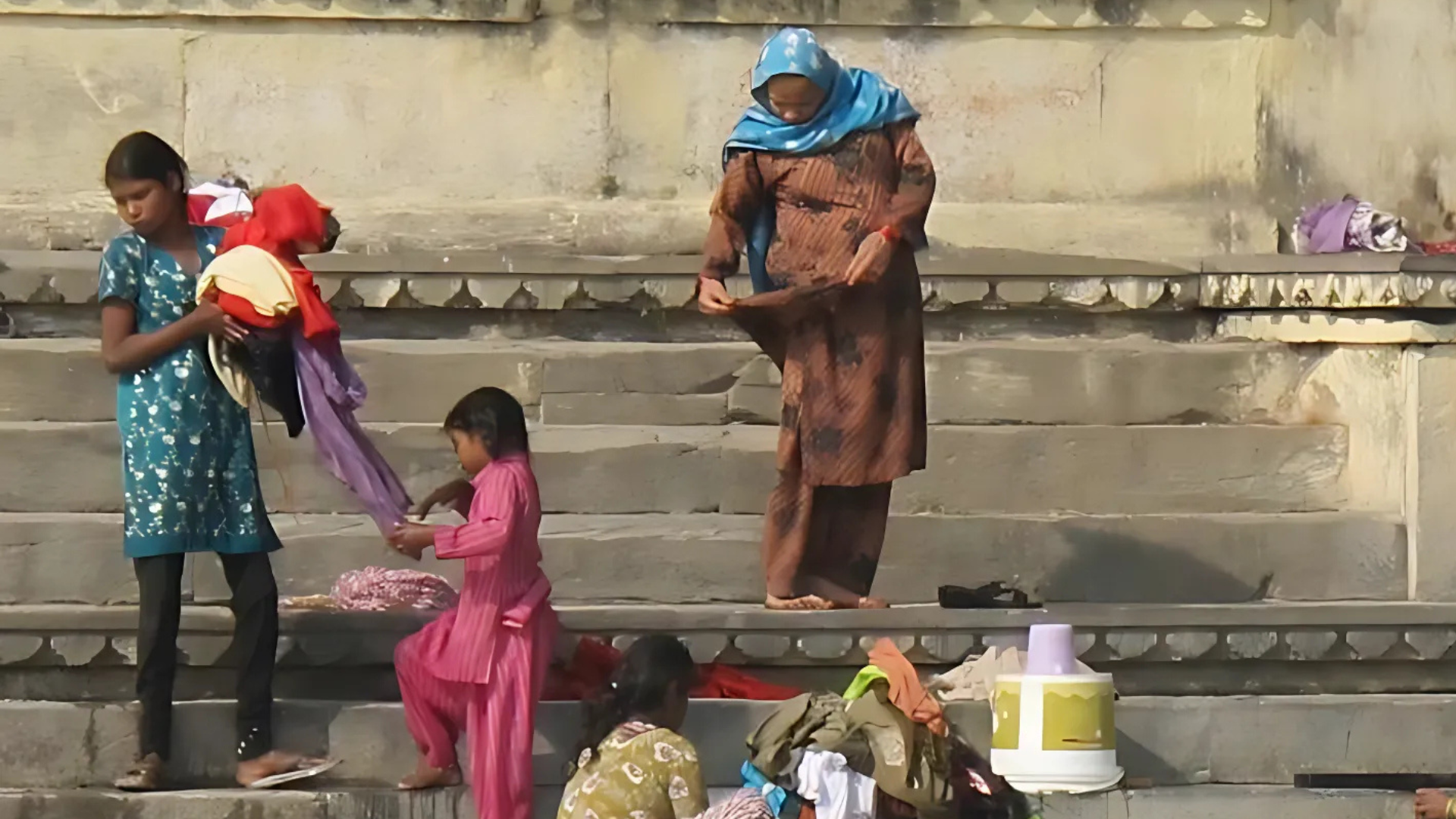
As we moved along the shoreline, we passed scenes of daily life, with women engaged in their afternoon routines, washing laundry on the lake steps.
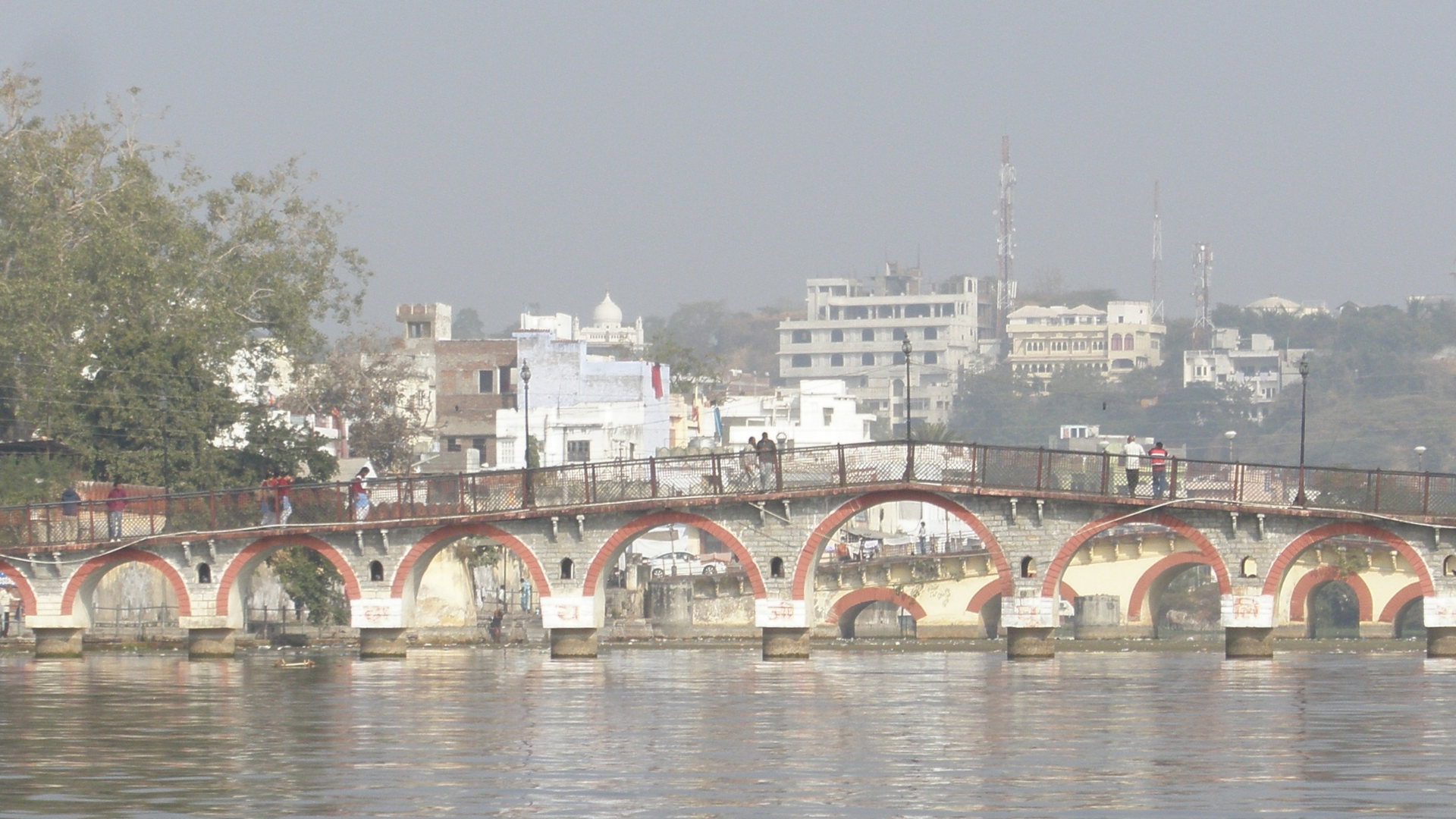
The boat moved leisurely toward the graceful arches of the pedestrian bridge, before turning back to present a breathtaking panorama of Udaipur's architectural marvels.
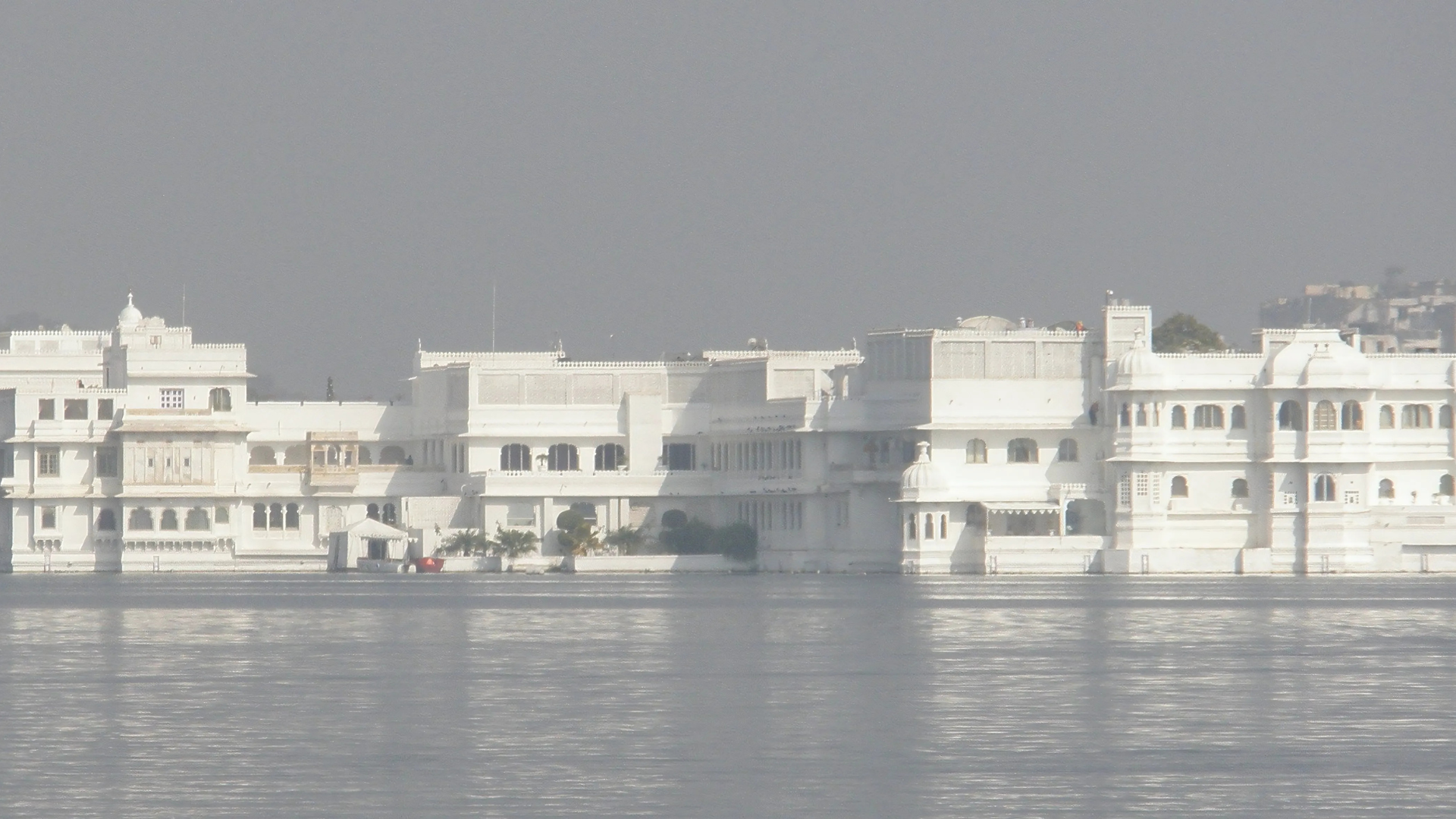
Approaching the iconic Taj Lake Palace, everyone was captivated by its pristine white structure, seemingly afloat on the still waters. This extraordinary palace, was built in the 18th century by Maharana Jagat Singh II and served as a royal summer retreat, during the dynasty of Mewar. Now a 250 year old luxury hotel, it boasts 83 meticulously adorned guest rooms and suites, each offering magnificent views of the lake and the surrounding Aravalli Hills. Our boat driver tells us that each room has stylish antique artifacts, intricate mosaics, and regal furniture. Certainly, let my imagine wonder lending an air of timeless elegance to this exquisite property. We’re also told that guests can indulge in serene dinners at the Lily Pond Courtyard, enjoy themed events on the Mewar Terrace, or relax with modern amenities, including a swimming pool, the Jiva spa, and world-class dining options. The exquisite Taj Lake Palace is widely regarded as one of Rajasthan's most iconic hotels, with its unparalleled fusion of history, luxury, and beauty.
One can’t help but marvel in the grandeur of this historic building, before travelling further across the lake to the Jag Mandir Palace.
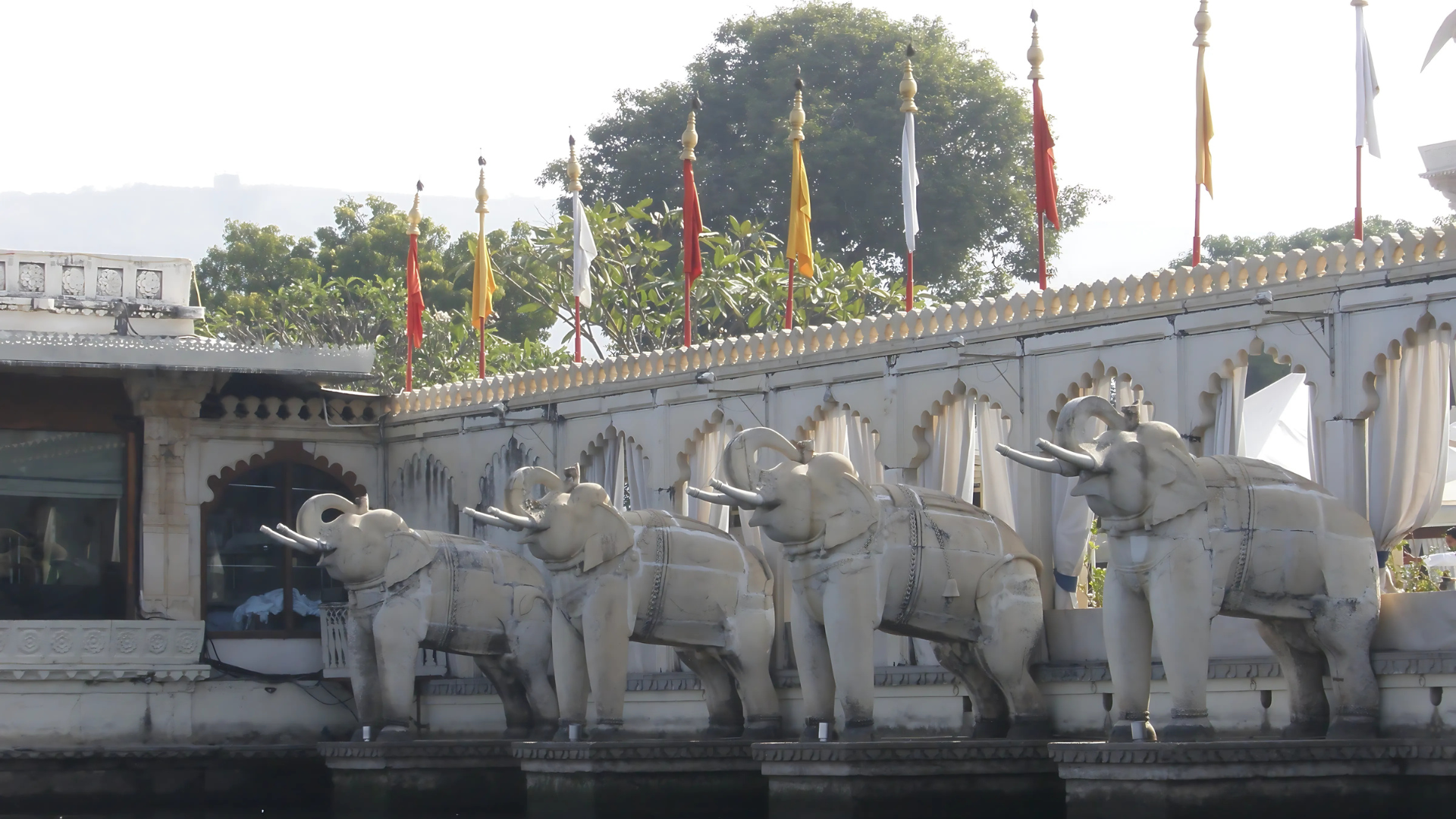
Continuing along the lake, we arrived at the Jag Mandir Palace, also known as the Lake Garden Palace, now another palace that has been turned into a luxury hotel. This remarkable structure greets visitors with four imposing life size marble elephants standing guard at the dock. Situated on its own island, and is on one of the two islands in Lake Pichola, named after the nearby village of Picholi. Jag Mandir was constructed by three successive Sisodia rulers of Mewar, beginning with Maharana Amar Singh in 1551 and completed by Maharana Jagat Singh I in 1652. Named in honour of its final patron.
It once served as a royal summer retreat and a venue for lavish gatherings. Today the palace’s museum showcases some of the most significant artifacts from the Mewar dynasty, making it a treasure trove of history and culture. Amongst other architectural elements, Jag Mandir features a blend of stunning royal courts, including the Bara Pattharon Ka Mahal, the Zenana Mahal, and the Kunwar Pada ka Mahal. With the Gul Mahal, built in 1551, a particularly noteworthy addition.
The lush gardens within the palace grounds are home to rare flora, and the museum showcases treasured artifacts of the Mewar dynasty including many exquisite miniature paintings for which Udaipur is famous for.
We’re given a brief stop that allows us to admire the entrance and immediate gardens of this magnificent palace before boarding the boat once more.
The journey back was unhurried, offering a time of reflection as the lake’s tranquil waters mirrored the beauty of Udaipur’s historic shoreline. The eastern banks were lined with the majestic sprawl of the City Palace, while the Taj Lake Palace appeared ethereal in the lake's center. Jag Mandir stood gracefully on its island, completing the trio of awe-inspiring landmarks.
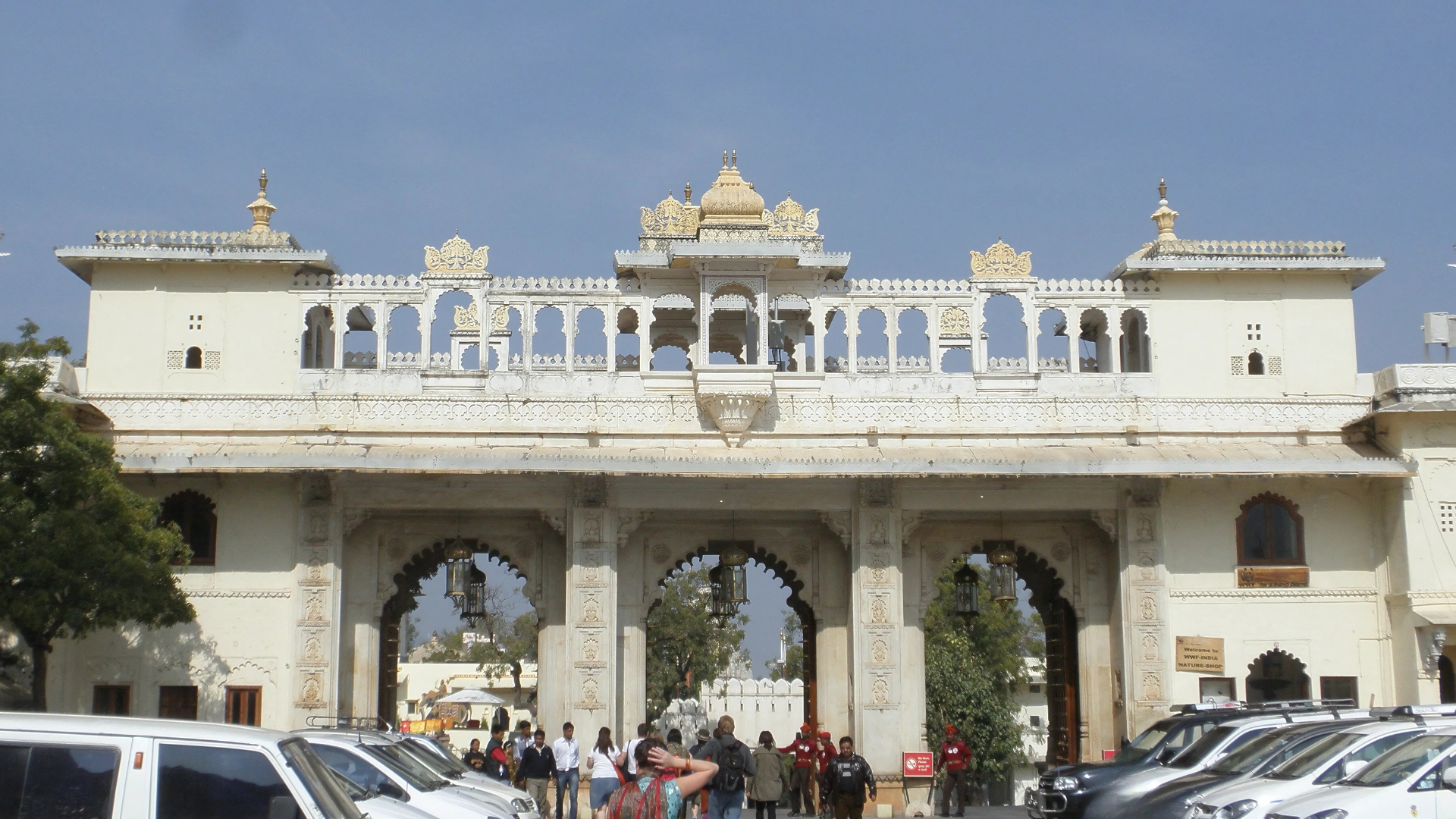
As the boat approached the City Palace, its full grandeur unfolded, revealing the enormity of its sprawling presence along the lake's edge. Nearing the dock, a sense of anticipation grew. Disembarking, it was impossible not to feel a profound sense of awe at the harmonious interplay of history, architecture, and nature that defines Udaipur. This enchanting city, aptly called the jewel of Rajasthan, etched itself into our hearts, leaving indelible memories destined to last a lifetime.
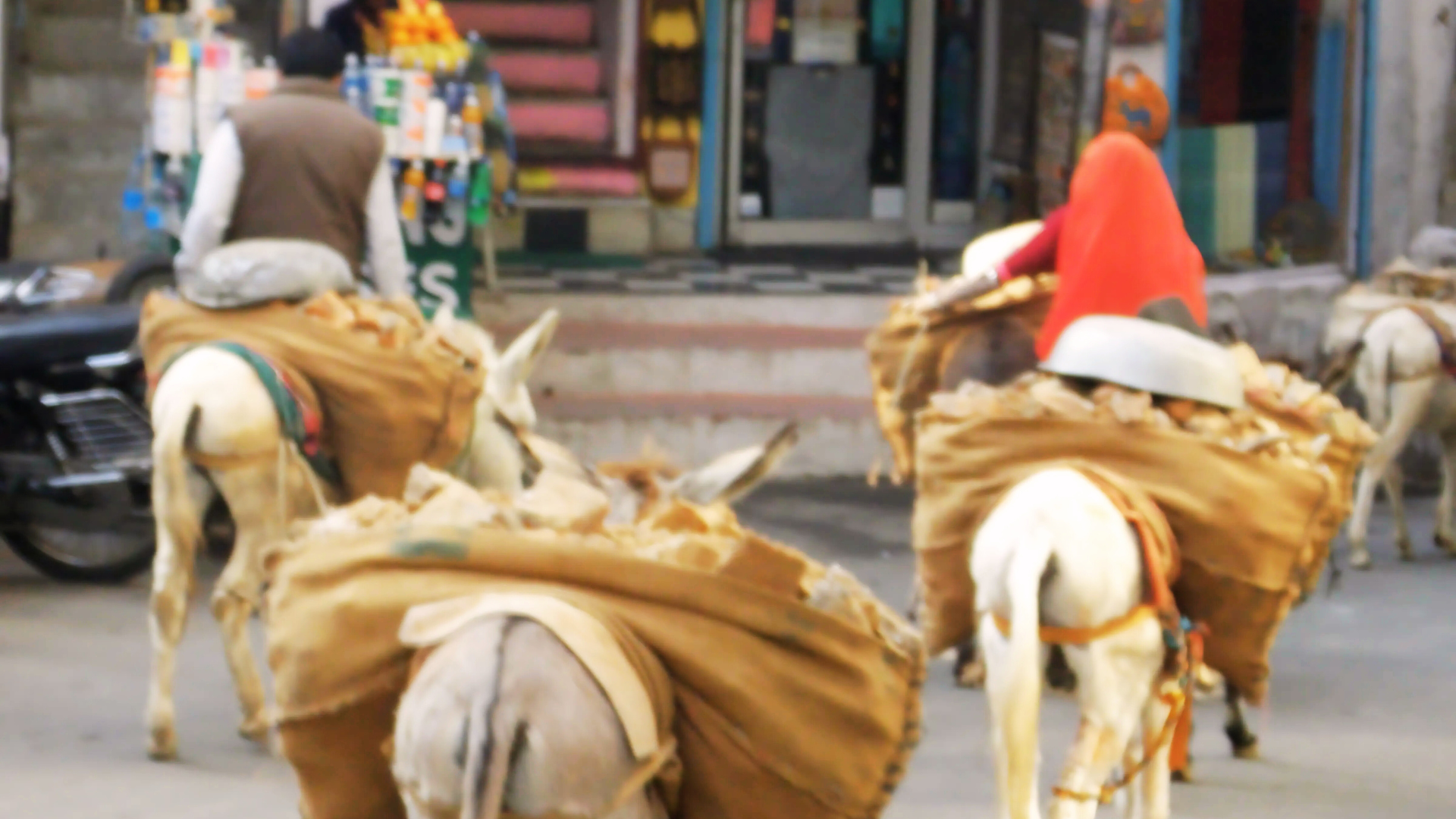
Locals mingling with their livestock, the hum of activity filling the air. Just as we began to soak in the vibrant atmosphere, our guide turned to us with a knowing smile and shared that one more treat awaited.
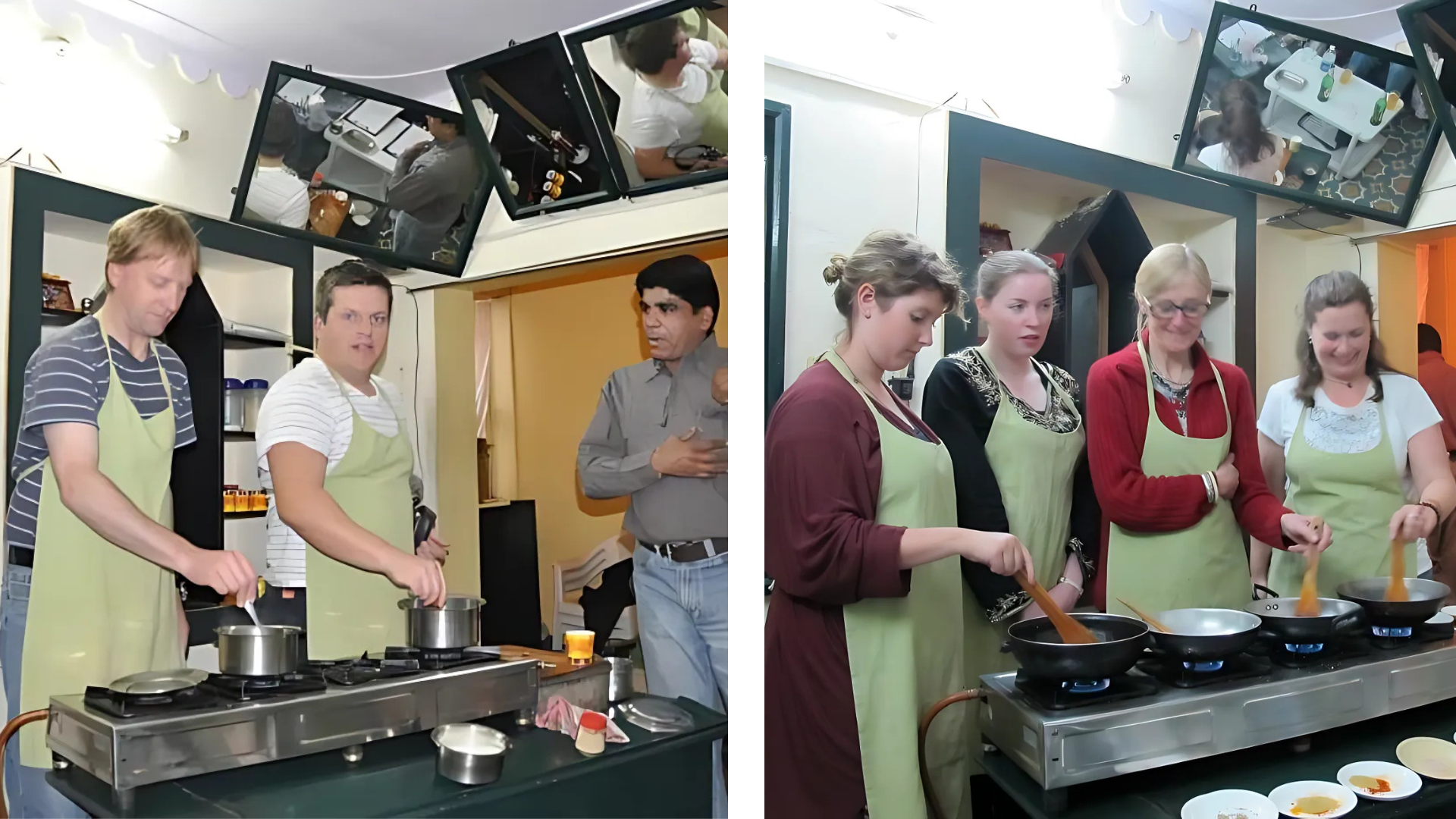
An opportunity awaited us, with some of the group taking a traditional Indian cooking class! While their involvement was limited to adding pre-chopped ingredients and stirring the fragrant concoctions, the experience was delightful all the same.
The resulting dishes were undeniably tasty, offering a flavorful glimpse into the rich culinary traditions of India's rich history.
It’s truly been an adventure to start the year.
The New Year’s Eve celebration at the magnificent Castle Bijapur was nothing short of magical. The castle’s regal presence, with its sweeping views of the surrounding landscape, set the stage for an evening of joy, music, and timeless elegance. The energy of the night, filled with laughter and celebration, was amplified by the castle’s historic charm, creating an unforgettable beginning to the year.
After the festivities, we embraced the tranquillity of lakeside camping. The stillness of the water mirrored the peace of the night, offering a serene moment for reflection under the stars, a gentle reminder of the possibilities that the New Year holds.
Returning to Castle Bijapur for an overnight stay, we enjoyed the warmth and hospitality of the Maharaja and his family. A particularly cherished memory was sharing a morning yoga class with the Maharaja himself, a unique and meaningful experience that left a lasting impression on me and one of my fellow travellers.
Udaipur awaited, the "City of Lakes," where the adventure truly unfolded. Udaipur welcomed us with unforgettable experiences that will forever be etched in my heart. The Jagdish Temple, with its spiritual serenity and intricate bas-reliefs, invited introspection and connection, while the grandeur of the City Palace, with its breathtaking architecture and sweeping views of Lake Pichola, offered a glimpse into the opulence of a bygone era. Wandering through its stately halls felt like stepping into the pages of history, surrounded by the echoes of royal splendour.
An afternoon boat ride on Lake Pichola added another layer of magic to our journey. The sight of the iconic palaces, seemingly floating on the water, was dreamlike.
Bijapur’s calm and Udaipur’s harmonious blend of majestic history, serene beauty, vibrant local life, and its soulful atmosphere created an experience unlike any other, a journey filled with stories, peace, and profound connections that will stay with me always. Reflecting on the celestial energies influencing this journey through Bijapur and Udaipur, I’ve come to appreciate how deeply my Moon line has nurtured a sense of personal rejuvenation and fostered close connections with a number of my travel companions. Saturn’s grounding presence has been a gentle reminder that the hard work involved in pursuing my new professional path will ultimately pay off, offering lessons in discipline and persistence.
While my Jupiter "local space line" lies further afield, its expansive energy still whispers opportunities for spiritual growth and travel, adding a touch of optimism to my reflections. Neptune’s space line influence, though subtle and distant, has infused this journey with a sense of peace and spiritual renewal, encouraging me to relax rigid attitudes and approach my goals with greater introspection.
While the interplay of a Sun/Neptune paran has enriched my experience with a dreamlike quality, at times making Bijapur and Udaipur feel like a place suspended between worlds, where daydreams take center stage.
Amidst these celestial dynamics, the morning yoga session was a true gift, bringing a moment of spiritual meditation that harmonised my experiences and allowed me to center myself in the present.
In this Soul Travel blog, my journey began in Delhi, where the buzz of the city blended seamlessly with the anticipation of what lay ahead. Little did I know how much this experience would not only broaden my horizons but also deepen my connection with myself, the places I visited, and the subtle energies of this ancient land. Rajasthan was waiting, and its treasures were about to unfold.
See you soon,
Consider signing up to receive new Soul Travel blogs, travel reflections, and astrocartography insights as new destinations are shared.

✨ If this story resonated with you, you are warmly invited to continue the journey in a way that feels aligned with you.

✨Explore personalised insights through consultations
✨ Begin with ‘The Journey’ Orientation
✨ Listen to Destined Places podcast stories
✨ Save and share Soul Travel inspiration on Pinterest