A Return to Sofia | Through Time & Architecture
It was nearing the end of my first week in Bulgaria, and the pull to revisit Sofia was growing stronger. So, the next day, I decided to take a trip back to the capital, from Blagoevgrad, and this time using the local public transport system. Always an interesting experience when you don’t speak the local language… and Bulgaria adds its own layer of uniqueness. But with a bit of patience, and the kindness of strangers, you figure it out.
Behind me in the bus line to purchase a ticket was a wonderful young woman from North Macedonia, who happened to work in Bulgaria during the summer season and spoke both fluent Bulgarian and English. Thanks to her help, I discovered that I could buy a return ticket, but there was a catch. Once I arrived at Sofia’s central bus station, I’d need to have that return ticket validated. Why? Because you're allocated a return seat number and a set return time. Not exactly ideal if you're enjoying your day and happen to be running a little late.
Still, this little detour in logistics opened the door to learning more about Bulgaria’s cultural quirks, some of which linger from the days of Communist rule. Travel always teaches you something… often when you’re just trying to get from A to B.
With the bus service sorted, I arrived at Sofia’s bus interchange ready to tackle the train and metro systems. Seems simple enough, until you discover that it involves catching a suburban train service, then switching to the Metro, and changing Metro lines to finally reach Sofia University Sveti Kliment Ohridski station. Not quite as easy as it sounds. Signage is sparse and often tucked away in the most obscure corners of the station. And just to keep things interesting, transferring between Metro lines involves a solid ten minute underground walk. Bulgaria certainly knows how to make getting from A to B a bit of an adventure.
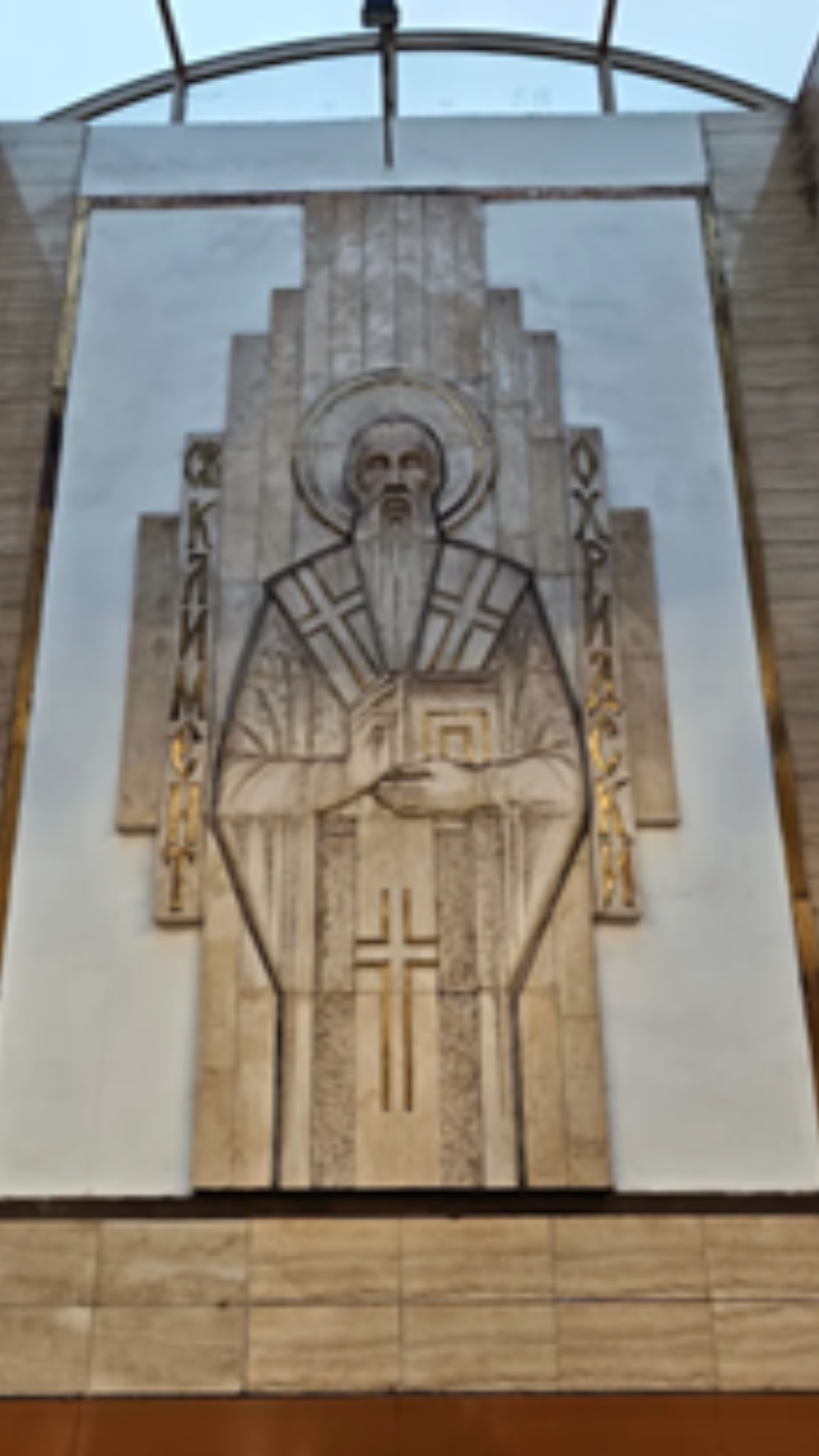
Navigating my way out of the metro station, I couldn’t help but pause at the striking wall sized artwork at Sofia University Metro Station. It portrays Saint Kliment Ohridski (St. Clement of Ohrid), the patron saint of Sofia University. As the station’s namesake, his image is thoughtfully woven into the station’s design, serving as a visual tribute to the scholarly and spiritual legacy he represents.
Nearby, I spotted the layout of the metro network and quickly snapped a photo to mark my bearings, which was helpful for planning my return to the central bus station.
Turned out to be a wise move in a city where signage tends to be elusive and directions aren’t always obvious.
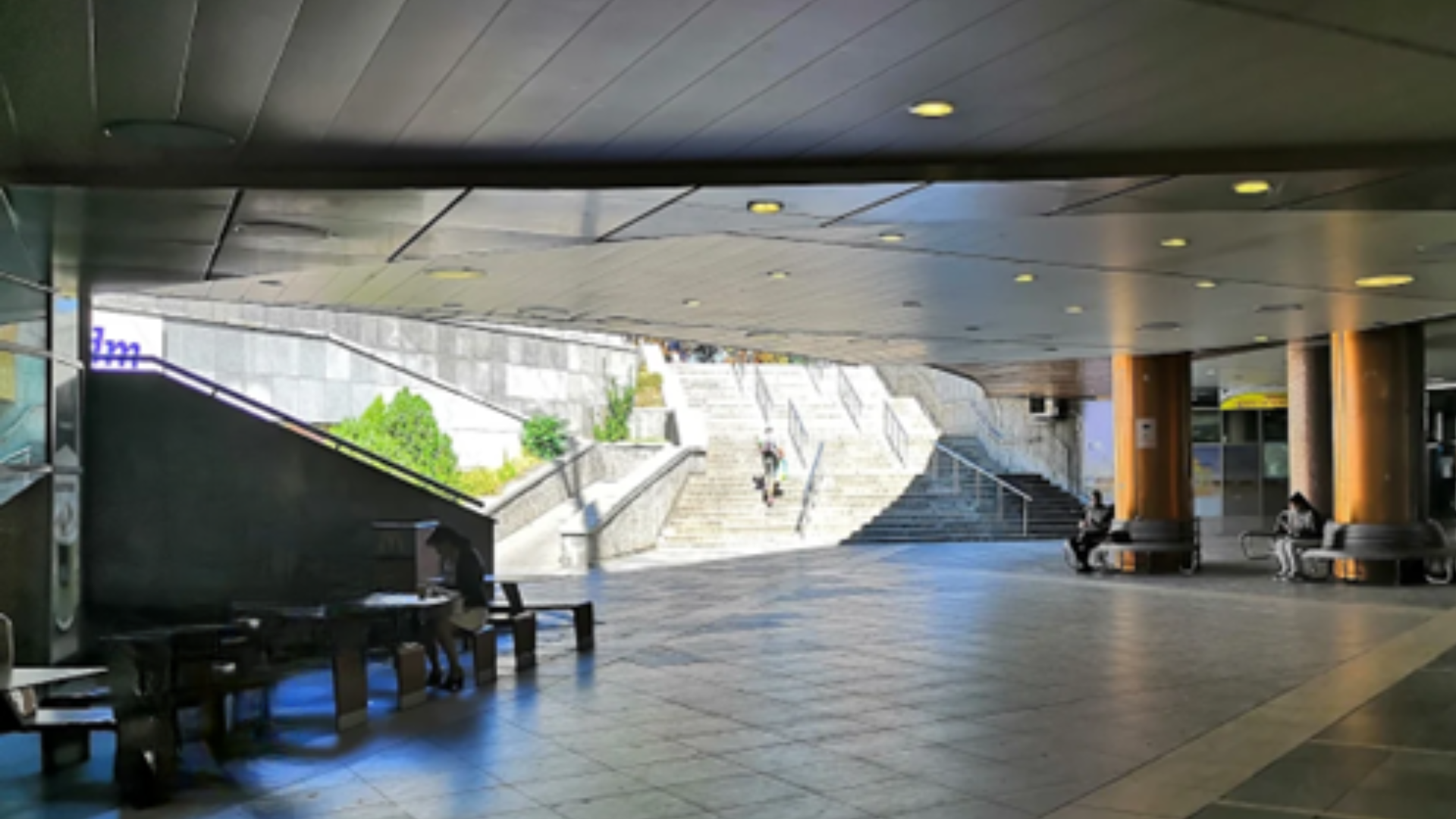
Before crossing to the gardens, I took a moment to orient myself, both geographically and energetically. That glimpse of open blue sky after the underground journey felt like a small exhale, a moment of reconnection before continuing on.
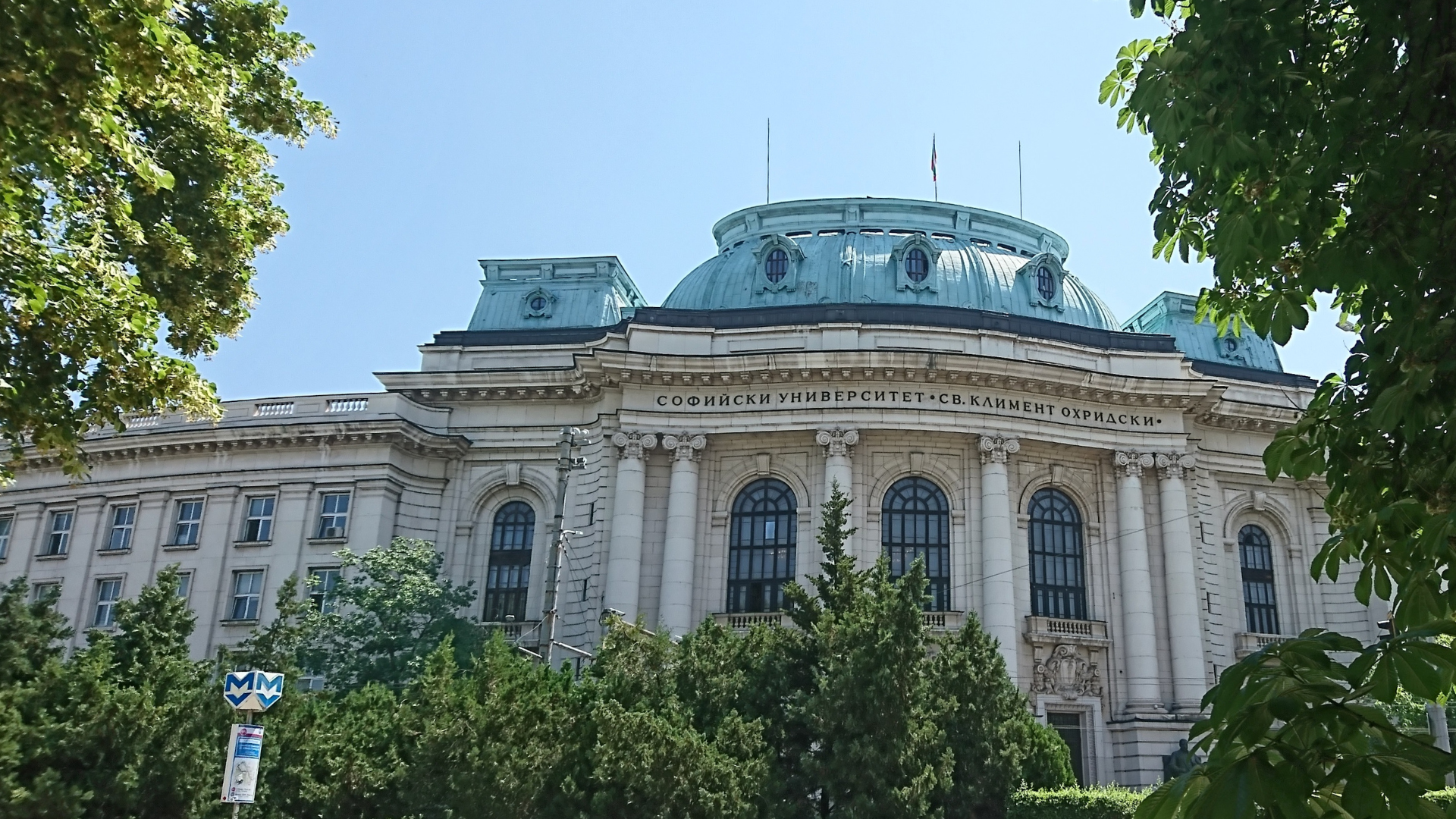
A relaxed wander through St. Kliment Ohridski Garden followed, connecting with the beautifully designed Sofia University and its namesake monument.
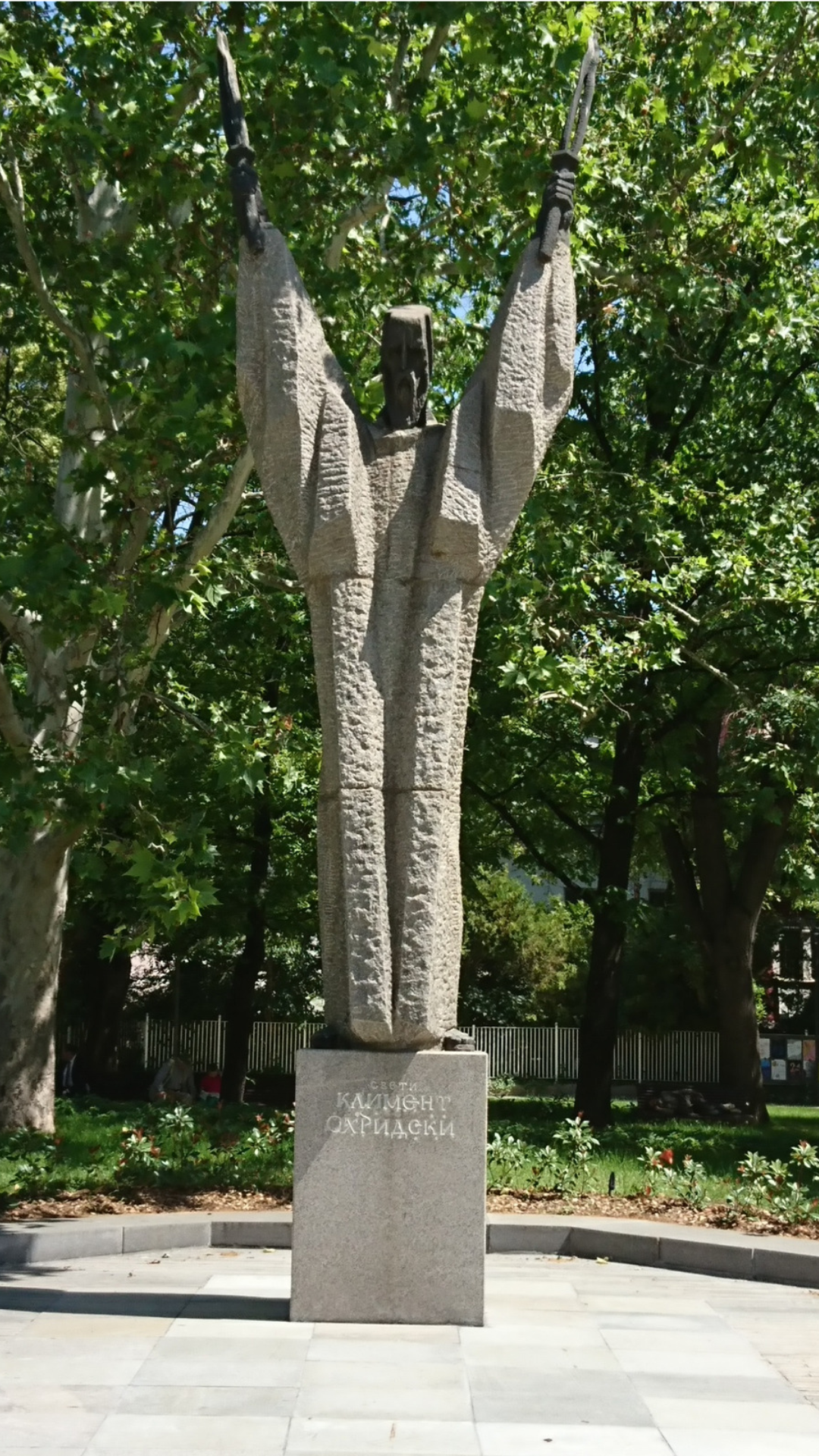
Saint Clement of Ohrid was more than a religious figure, he was a Bulgarian saint, scholar, writer, and enlightener of the Slavs. His presence is quietly woven through this entire area, a reminder of the cultural and intellectual depth Sofia carries.
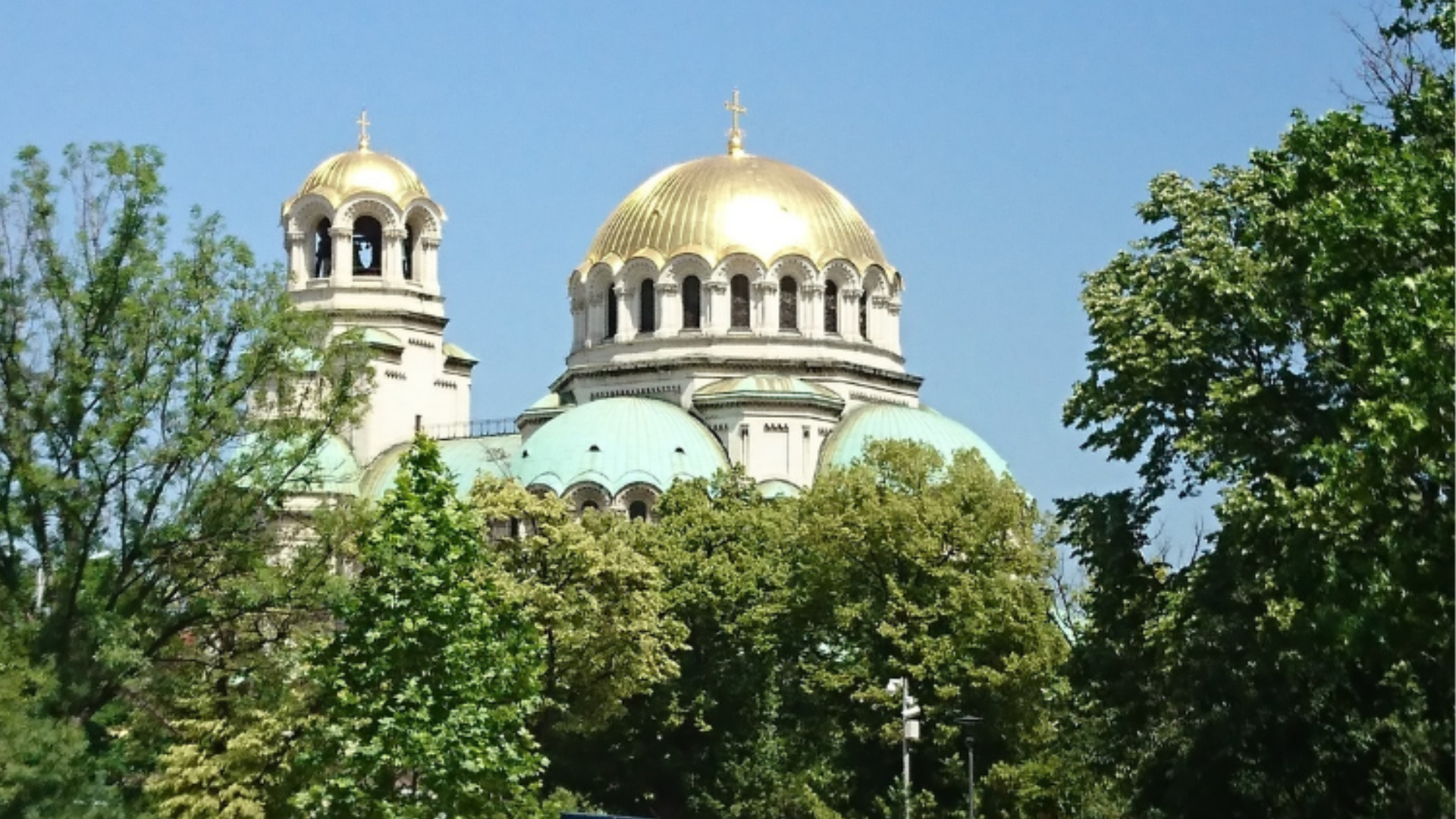
Then, as if by quiet magnetism, I found myself back at the magnificent St. Alexander Nevski Cathedral for a second visit. Some places call you back before you’ve even fully left.
Sofia’s city charm lies not only in its layered history, but also in its open hearted layout, with broad boulevards, leafy parklands, and architecture that spans centuries. I spent the day wandering through its elegant streets and tucked away laneways, soaking in the sights of grand buildings that each tell a different chapter of Bulgaria’s past. From religious sanctuaries and royal residences to cultural institutions and remnants of Socialist era ideals, Sofia offers a living museum of its evolving story, all within walking distance.
I began on Tsar Osvoboditel Boulevard, a grand, yellow cobbled avenue that leads directly into the heart of Sofia.
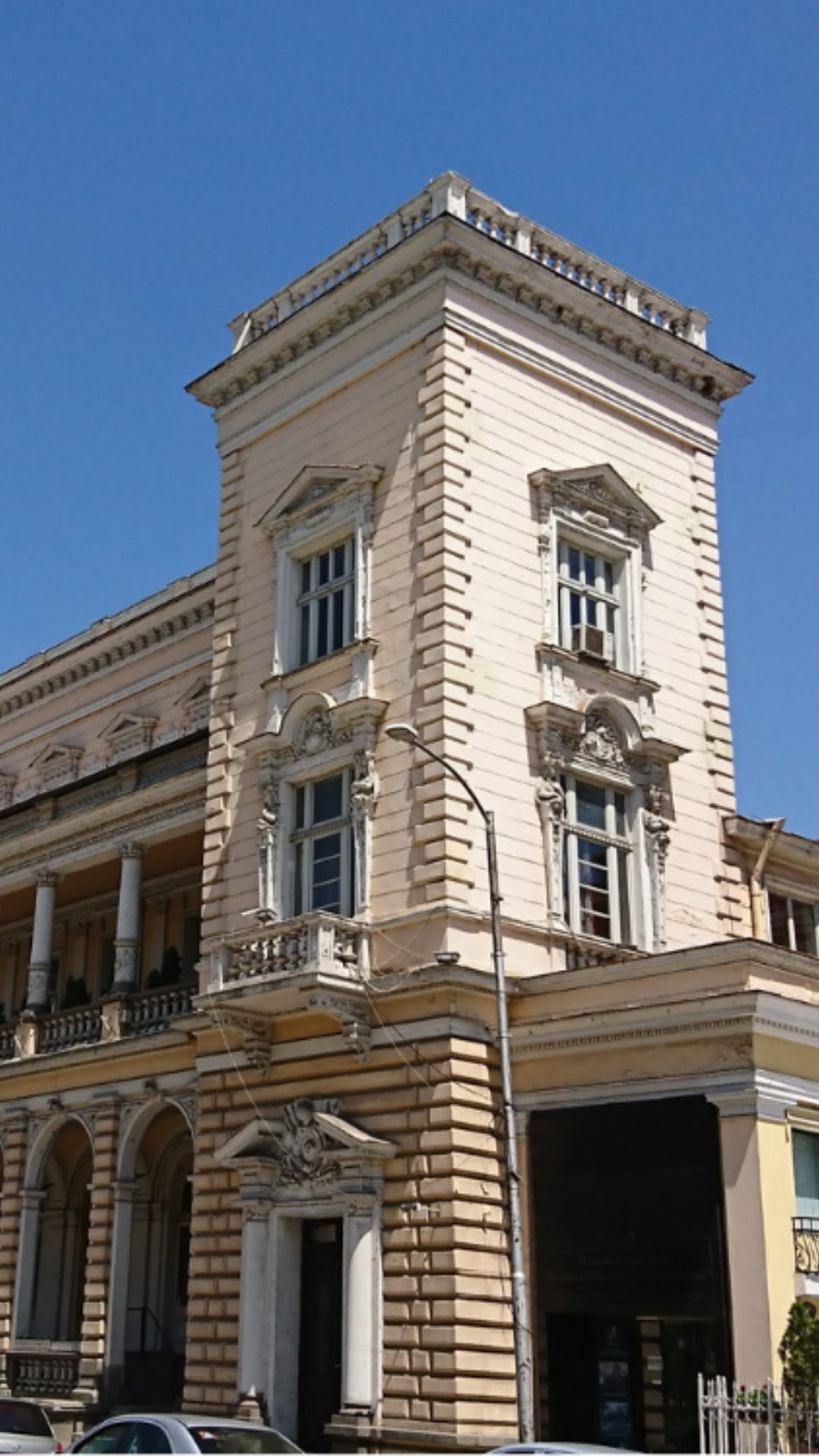
The Central Military Club stands proudly along the boulevard, an elegant neo Renaissance structure completed in 1907, featuring a refined concert hall and a rich cultural legacy.
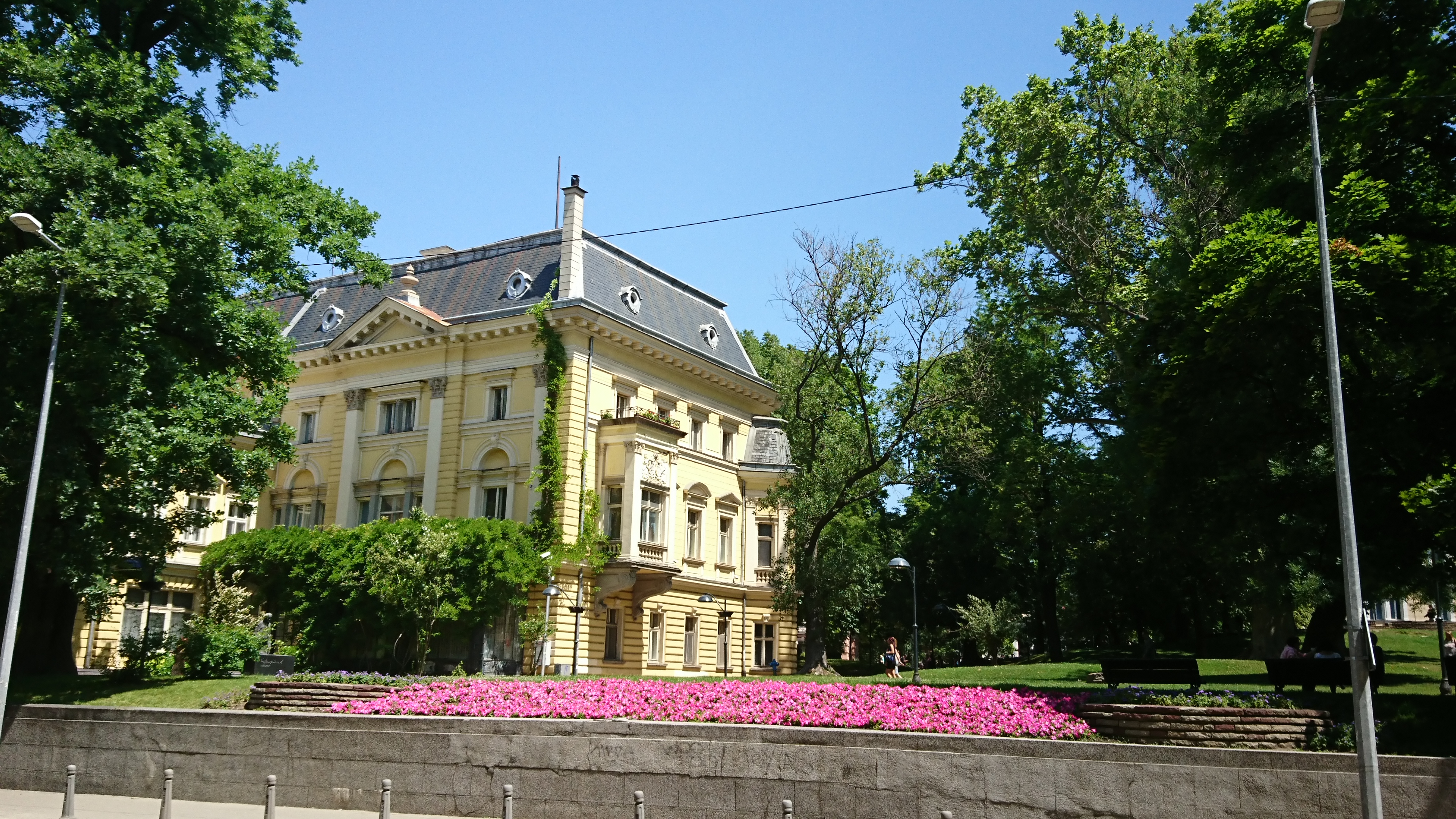
Next door to the Central Military Club, tucked just off Rakovski Street, I stumbled upon the elegant yellow façade of the National Academy for Theatre and Film Arts (NATFA). Once a private residence, this building now showcases Bulgaria’s theatrical and cinematic heritage. Its stately architecture adds an unexpected artistic pause amid Sofia’s cultural boulevard.
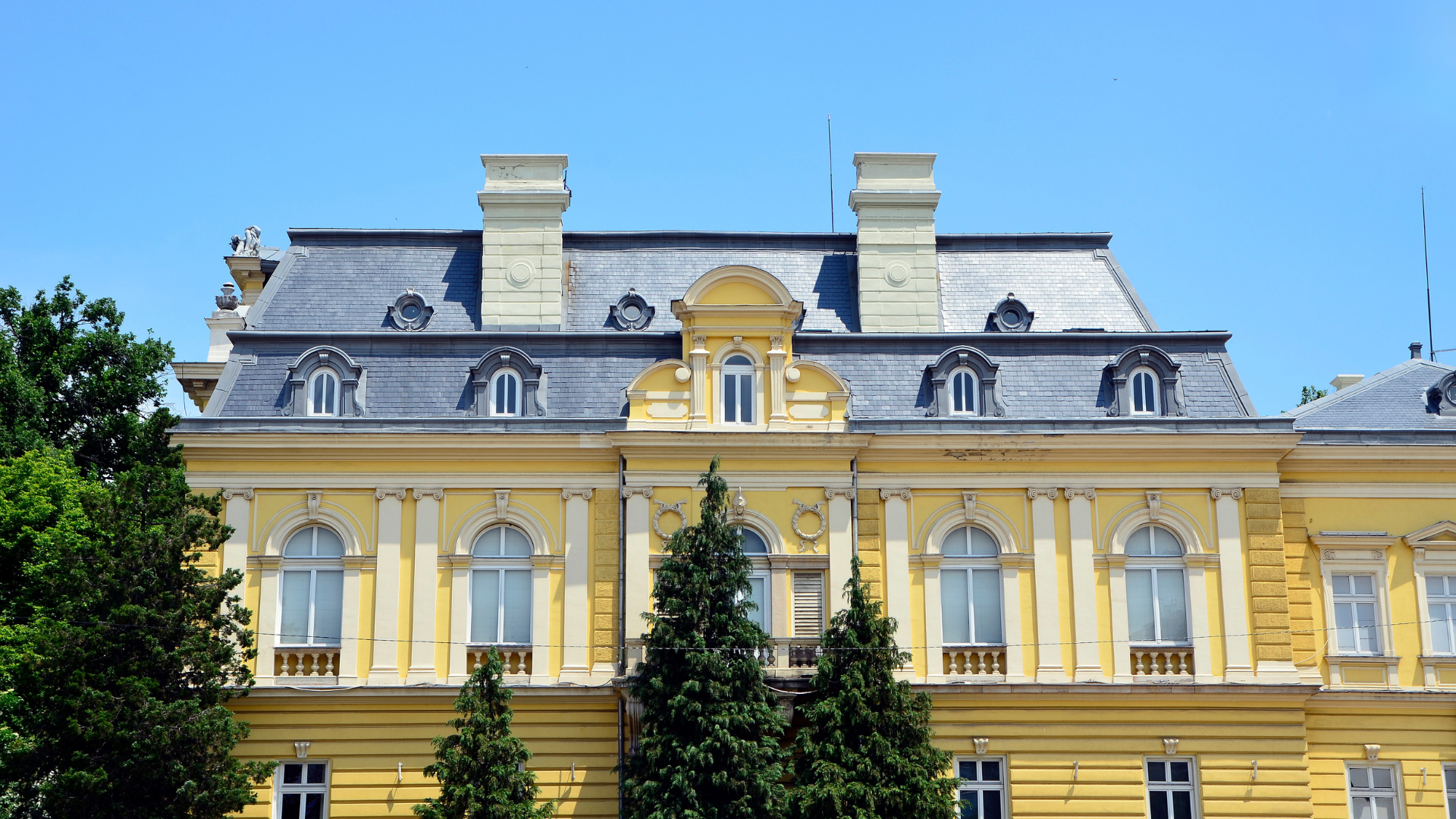
Across from the National Academy, the former royal palace stands with quiet grace. Built between 1880 and 1882, shortly after Bulgaria’s liberation from Ottoman rule, this neoclassical residence became the official home of Bulgaria’s monarchs, beginning with Prince Alexander I. The palace remained a royal residence until the abolition of the monarchy in 1946, bearing witness to decades of regal gatherings, diplomatic receptions, and royal intrigues. Today, its grand halls house the National Art Gallery, where the echoes of aristocratic life have been gently replaced by the creative works of Bulgarian artists.
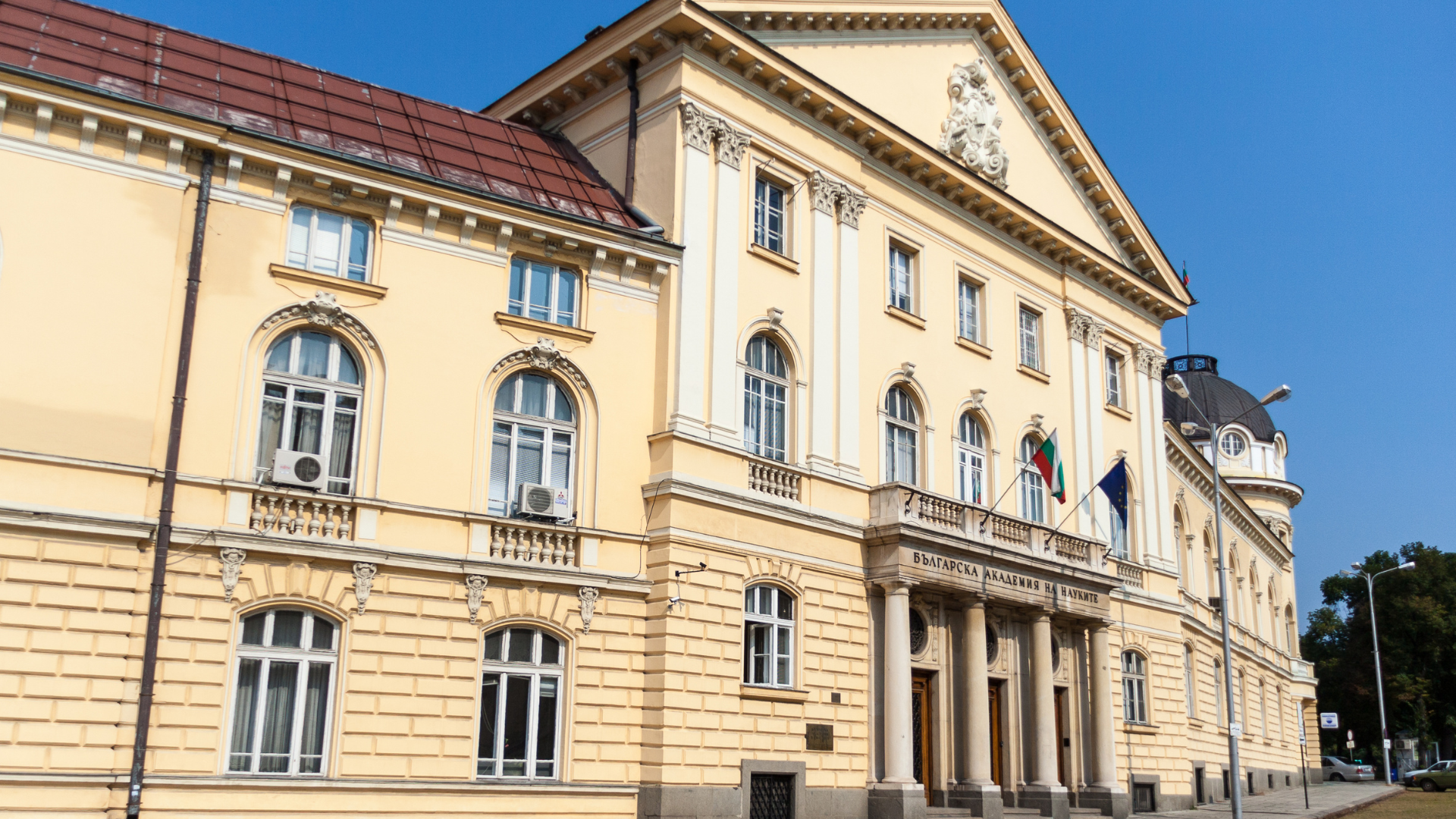
A little further west, the Bulgarian Academy of Sciences building, completed in 1929, intersperses the boulevard with its dignified presence. With its elegant lines and academic poise, it feels more like a quiet sentinel of knowledge than a mere building. This institution, at the heart of Bulgaria’s intellectual life, reinforces Sofia’s reputation as a city not only of beauty and culture but also of ideas and innovation. Its legacy, rooted in research and discovery, adds an unseen layer of depth to the city’s already rich atmosphere.
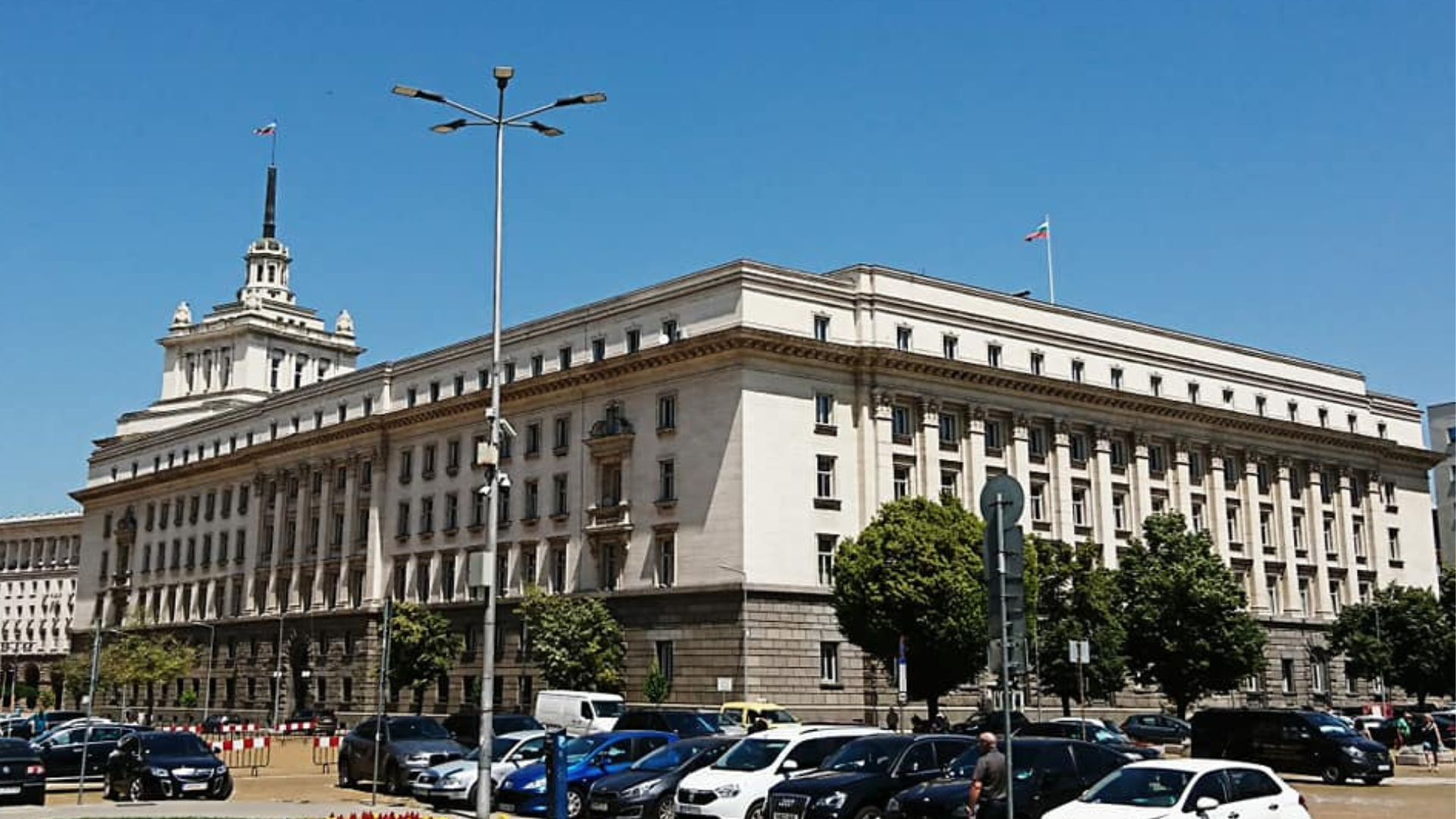
Wandering further west along the elegant Tsar Osvoboditel Boulevard, that becomes Knyaz Aleksandar Dondukov, I find myself standing in front of the Largo. Here, the mood shifts, with an impressive combination of three imposing socialist classical buildings, a stark contrast to the ornate elegance behind me. The bold trio building was the former Party House, with its unmistakable spire, and once echoed with the rhetoric of power. Today, it houses the National Assembly, with its halls now repurposed for democratic discourse. To one side, the Presidency stands with ceremonial calm. And, just across from it, TsUM; the central universal store, adding a layer of nostalgia. Being Bulgaria oldest department store, and still holds echoes of grand shopping excursions from a bygone era. This architectural trio, constructed in the 1950s, marks a firm footed reminder of Bulgaria’s post war chapter, imposing, introspective, and distinctly modern in contrast to Sofia’s older and more ornate buildings.
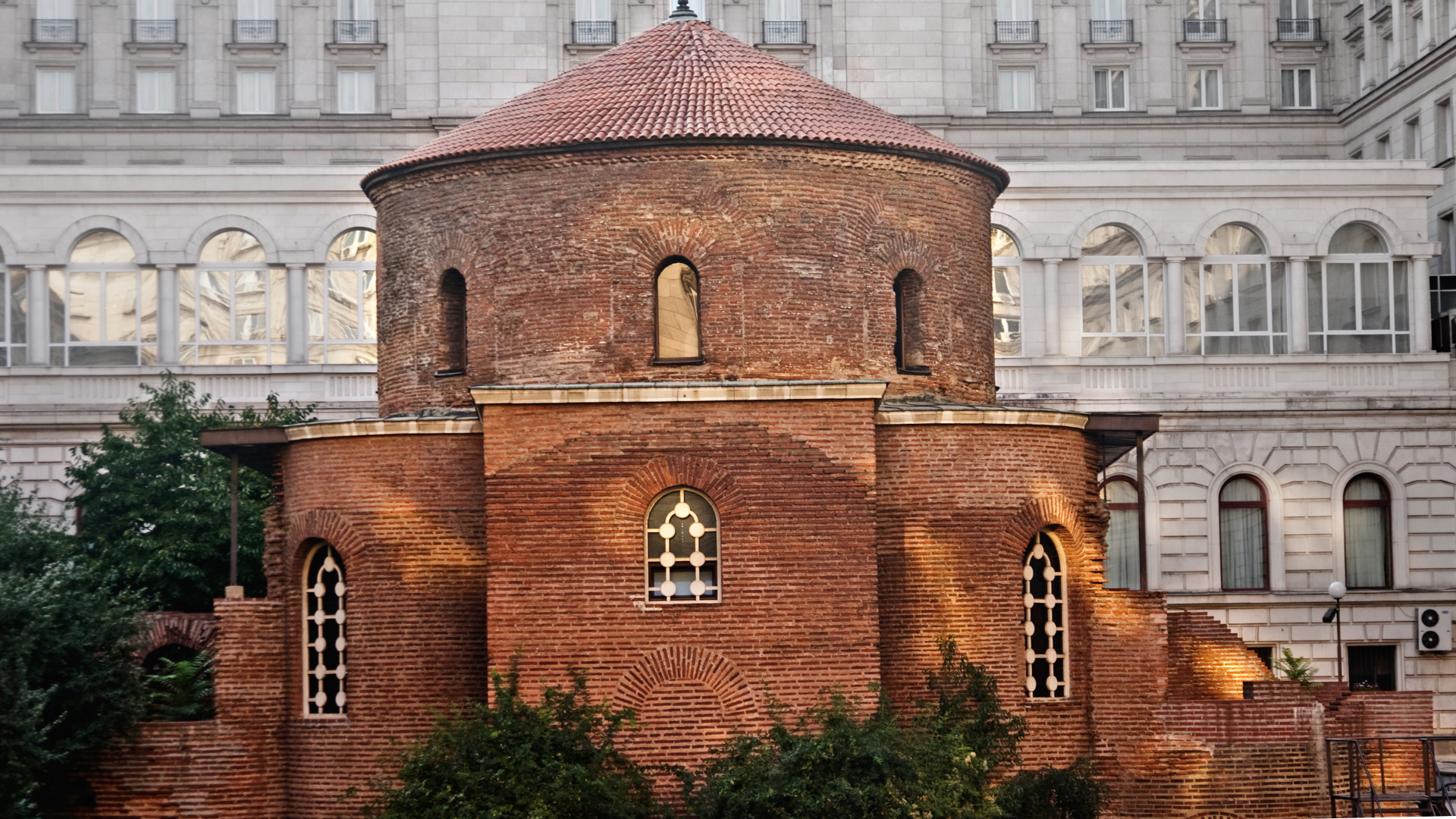
Just a few steps down and tucked quietly behind the Largo, the St George Rotunda feels almost hidden, like a time capsule waiting to be uncovered. This 4th century Roman rotunda, with its concentric walls and weather worn brickwork, is Sofia’s oldest surviving building and perhaps its most precious archaeological gem.
Step inside, and the atmosphere shifts. Faint light spills over medieval frescoes layered through centuries, Orthodox saints overlapping faded remnants of earlier faiths, are a silent witness to Sofia’s evolving soul. While admission is free, photography inside the church is not permitted, a respectful invitation to pause and absorb rather than document.
Surrounded by communist era structures, and nestled within the inner courtyard of what was once the Sheraton Hotel, the rotunda offers a quiet reminder: beneath all layers of history, the sacred still lingers.
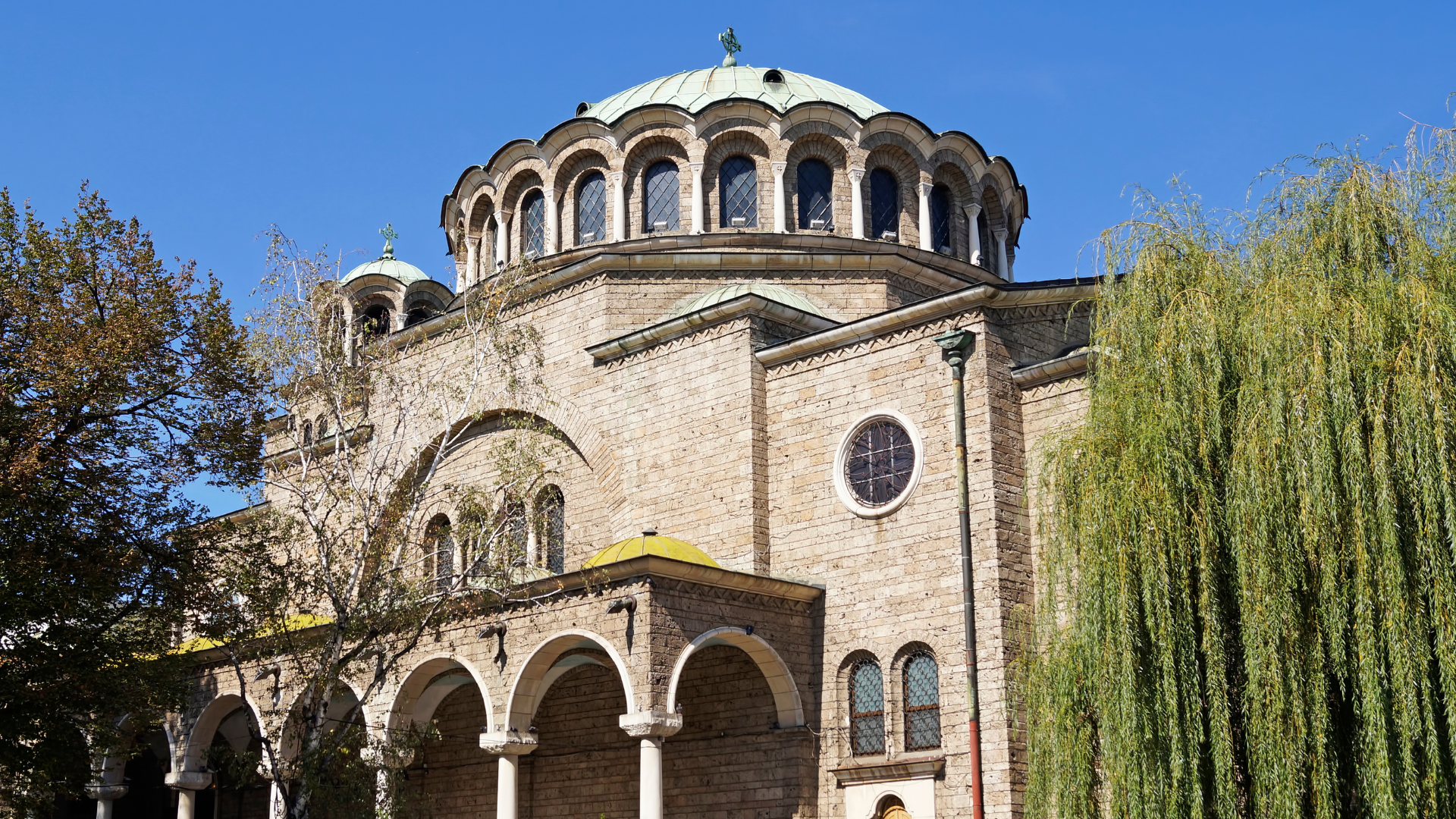
Nearby, the St. Nedelya Cathedral sits solemnly in its square. Originally built in the 10th century and reconstructed several times over the centuries, it bears both the scars and the resilience of Sofia’s past. Most notably, it withstood the tragic 1925 bombing, one of the deadliest assaults in Bulgaria’s history, which shattered its walls but not its spirit. Today, its domed presence offers a moment of reflection amidst the city's steady beat.
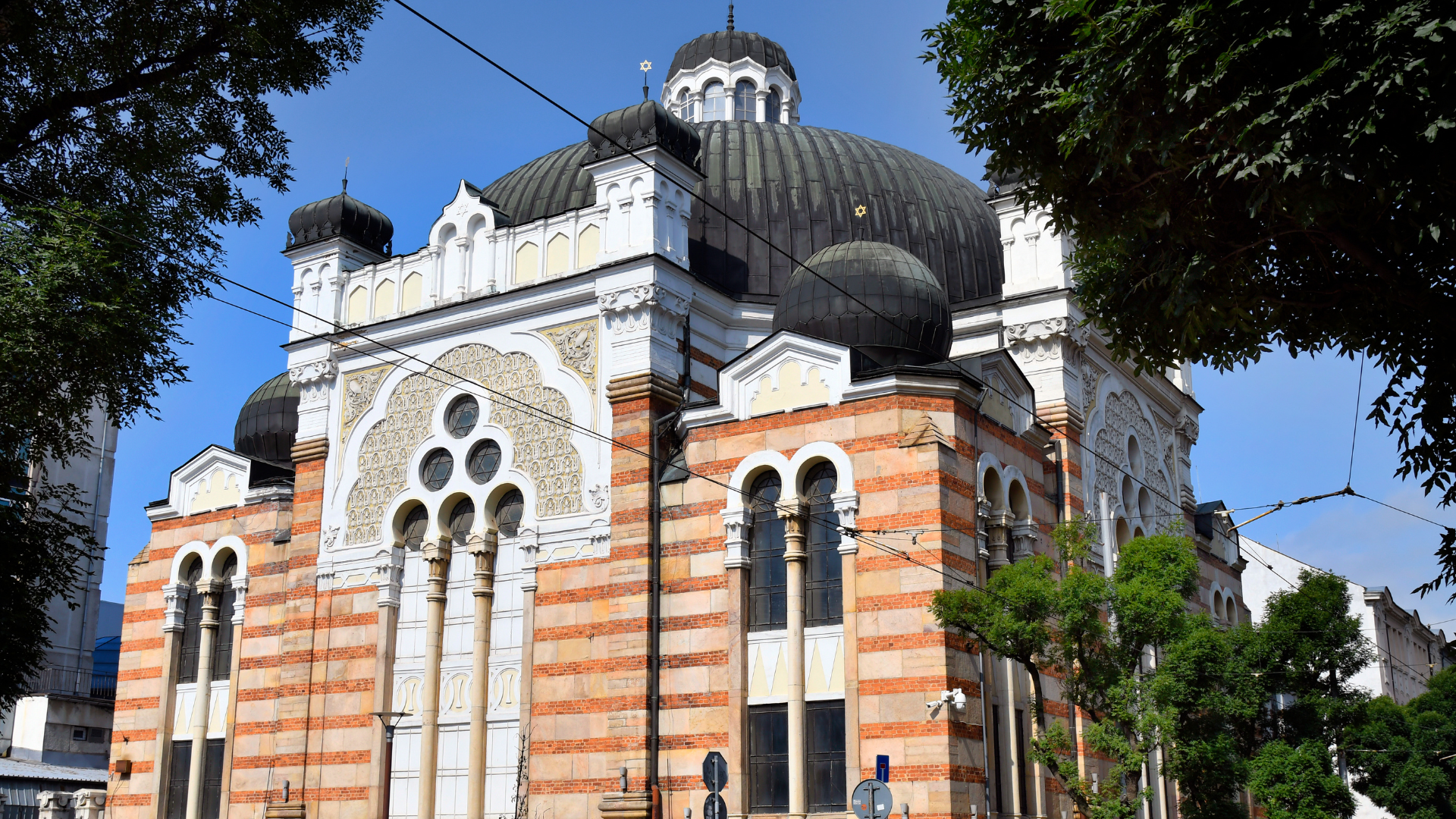
An easy stroll eastward brought me to the magnificent Sofia Synagogue, the second largest Sephardic synagogue in Europe. Its Moorish Byzantine dome and ornate interior beautifully represent Sofia’s long history of religious diversity and cultural harmony.
Built between 1905 and 1909, the synagogue was officially opened in September 1909 in the presence of King Ferdinand I. At that time, Sofia's Jewish population numbered around 16,000, as recorded in 1920, growing to approximately 25,000 by World War II. Today, the Jewish community in Sofia has diminished significantly, with estimates ranging between 900 and 3,000 residents. Despite the decline in numbers, the synagogue remains a vibrant center of worship and historical memory, with most services attended by dedicated attendees.
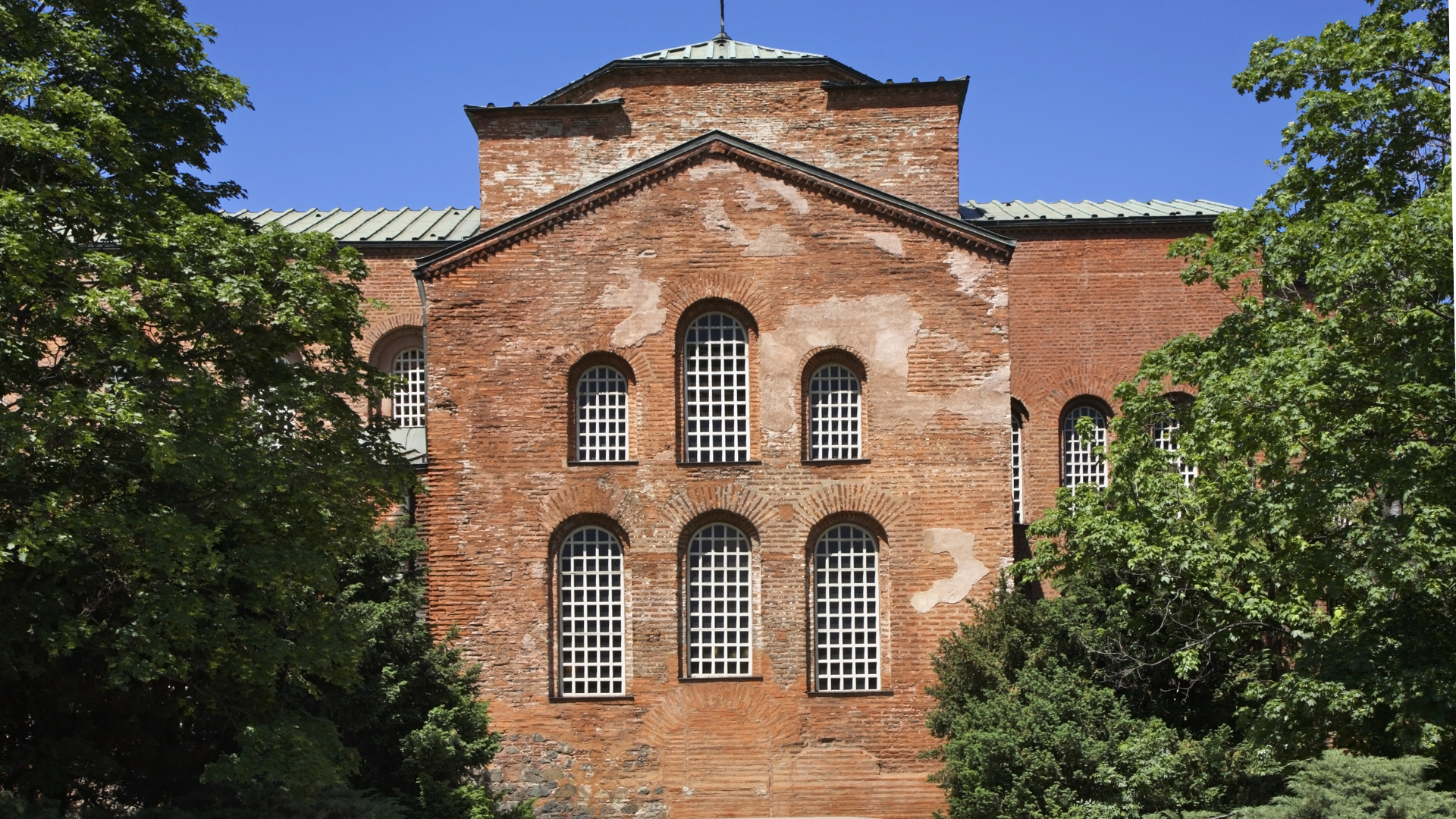
After wandering the boulevards and making my way through some of the city centre laneways, I found myself before the ancient Church of St Sophia, the basilica after which the city is named. The early Christian structure traces its foundations back to the 4th century, with the current form built under Byzantine Emperor Justinian I between 527 and 565 AD, atop earlier churches and Roman necropolis graves.
The church was once known as “Holy Wisdom”, meaning Hagia Sophia in Greek, reflecting divine understanding rather than a namesake saint. By the 14th century, the city itself had adopted the name Sofia in its honour, replacing earlier names of Serdica, Sredets, and Triaditsa.
Within its plain early Christian façade, the mosaic covered floors bear silent witness to Sofia’s deep past. Beneath them lies an archaeological museum that reveals the layered history of the site, with Roman tombs, medieval mosaics, and foundations of earlier Christian sanctuaries, reminding visitors that the city’s many identities truly rest upon these ancient stones.
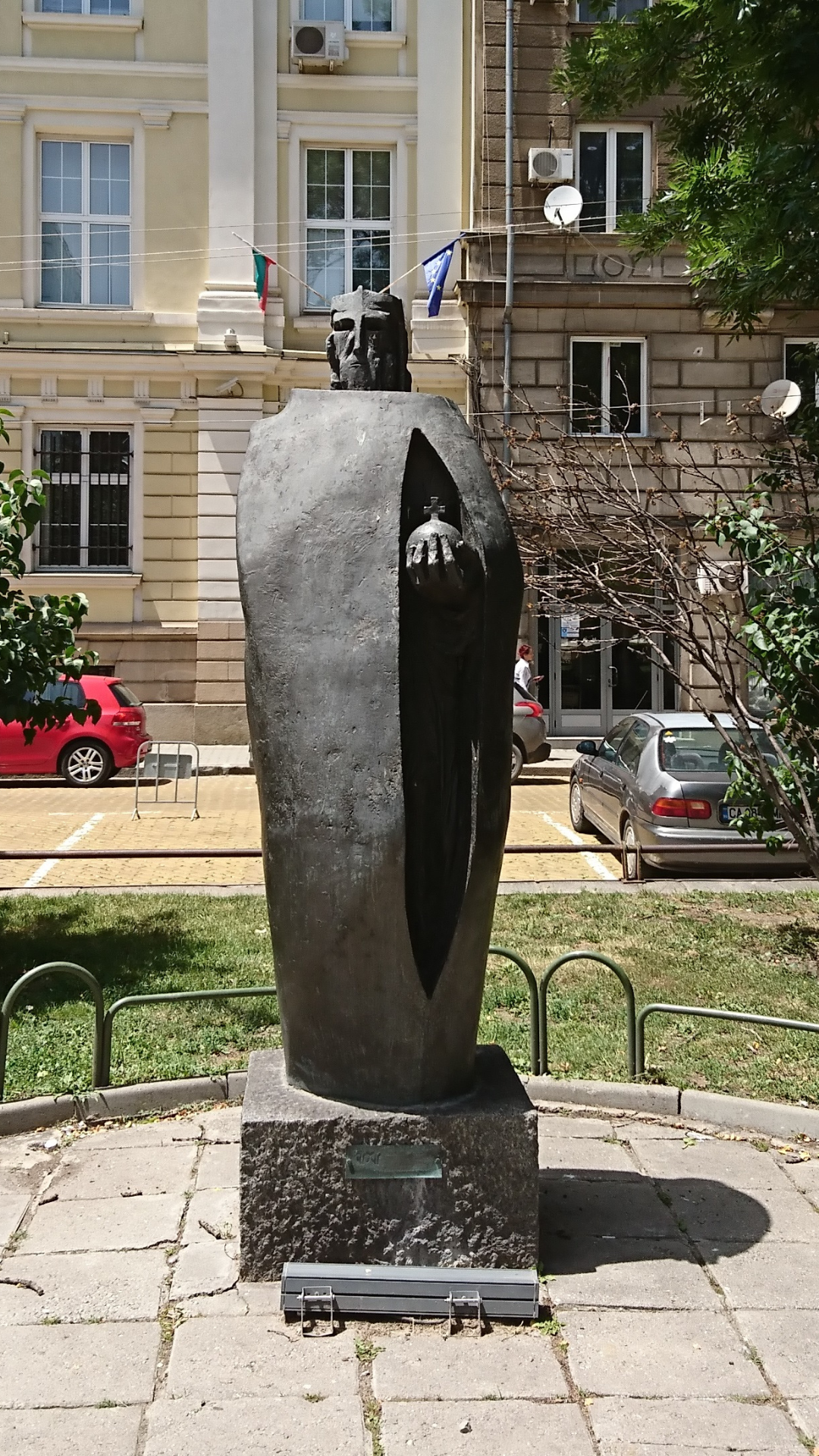
It’s been a fascinating and unhurried day, spent exploring the many historical landmarks of Sofia and uncovering more of the city’s layered past. Dotted amongst these landmarks are countless sculptures and monuments, especially near the City Garden, with each offering quiet moments of reflection. These silent figures seem to watch over the flow of everyday life, bridging eras with their unspoken presence.
Since the abolition of Communism in 1989, Sofia has undergone a dramatic transformation. Entire business districts have emerged, glass fronted office buildings now shine where drab grey once dominated, and modern residential neighbourhoods have sprouted across the city, confident, and future facing. It’s a capital constantly rewriting itself while still honouring its deep historical roots.
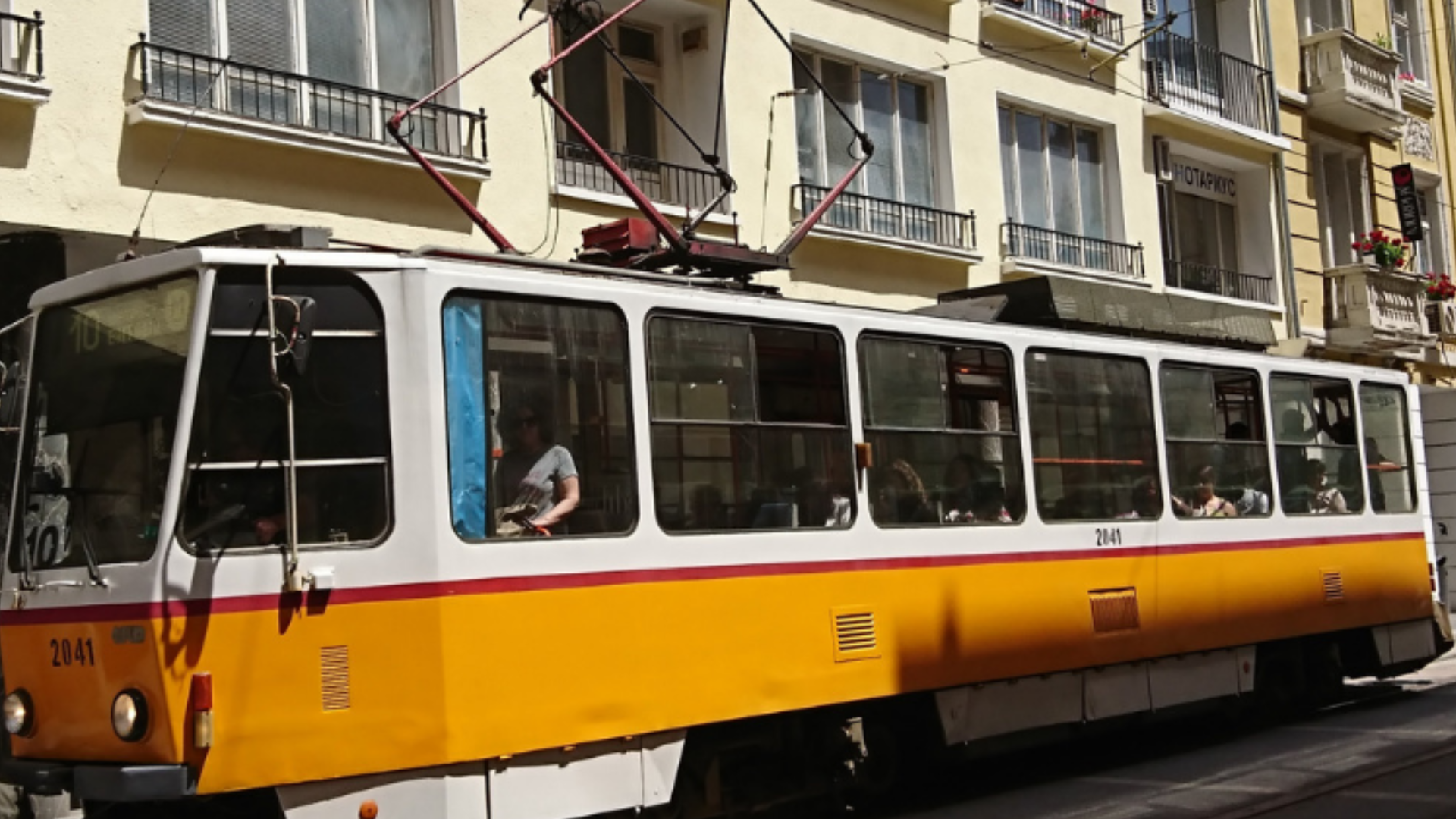
Retracing my steps from a previous visit with a friend, Between the Mountains Wanderings in Blagoevgrad and Sofia, I wandered with purpose in the direction of Confetti, pausing briefly as a tram rattled past. This well loved spot was the perfect choice for a mid afternoon lunch, and even more perfect for its parfetti treats.
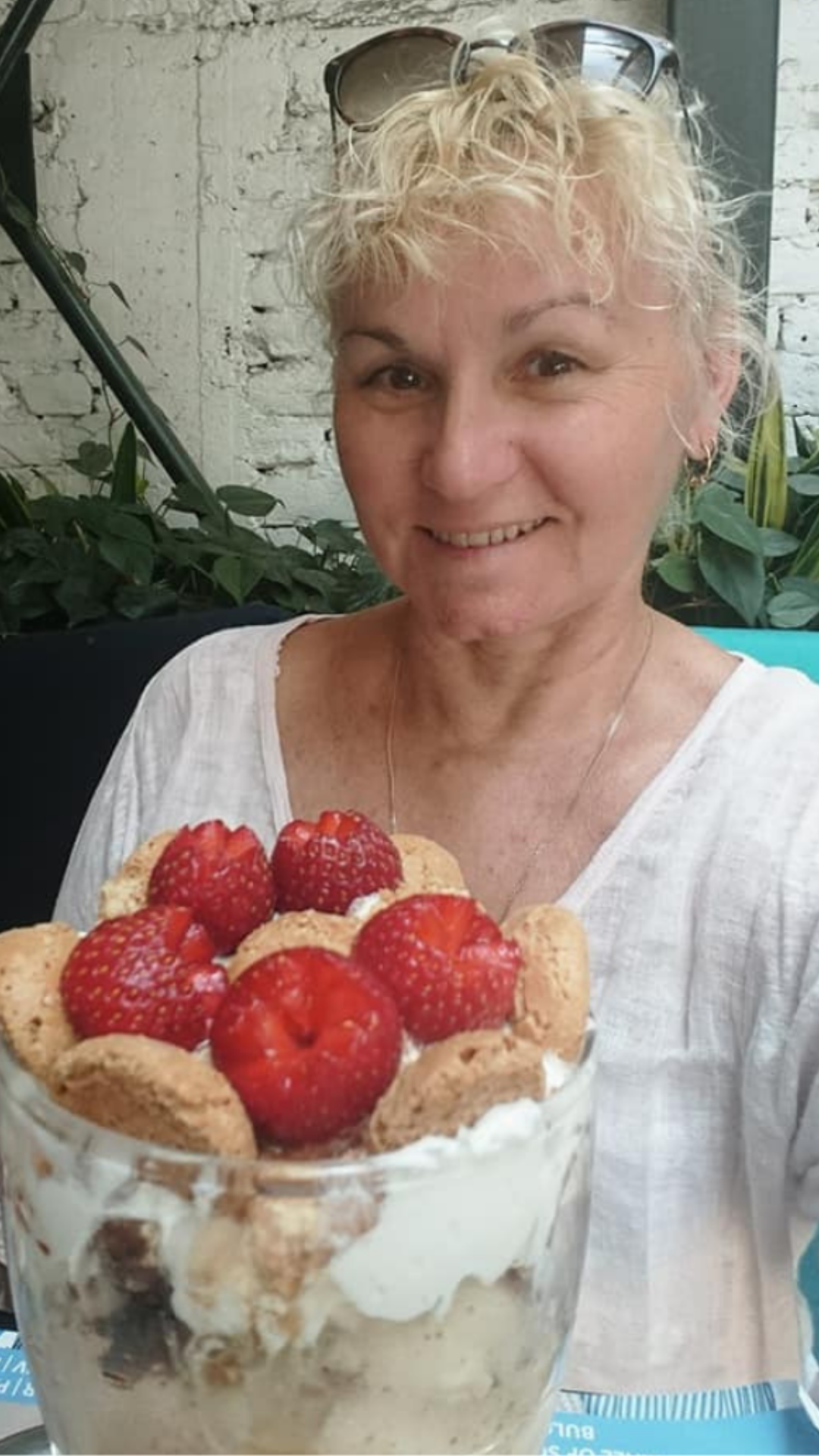
Somewhere in there, beneath the strawberries, between the crushed amaretto biscuits, and a swirl of amaretto liqueur, rests the most indulgent salted caramel ice cream. Every spoonful, a little celebration.
With the day shifting into late afternoon, I made my way back to Sofia University Metro station, ready for the return bus trip to Blagoevgrad. My path took me once more along Tsar Osvoboditel Boulevard, where I passed the charming Russian Church, its gold domes catching the sunlight.
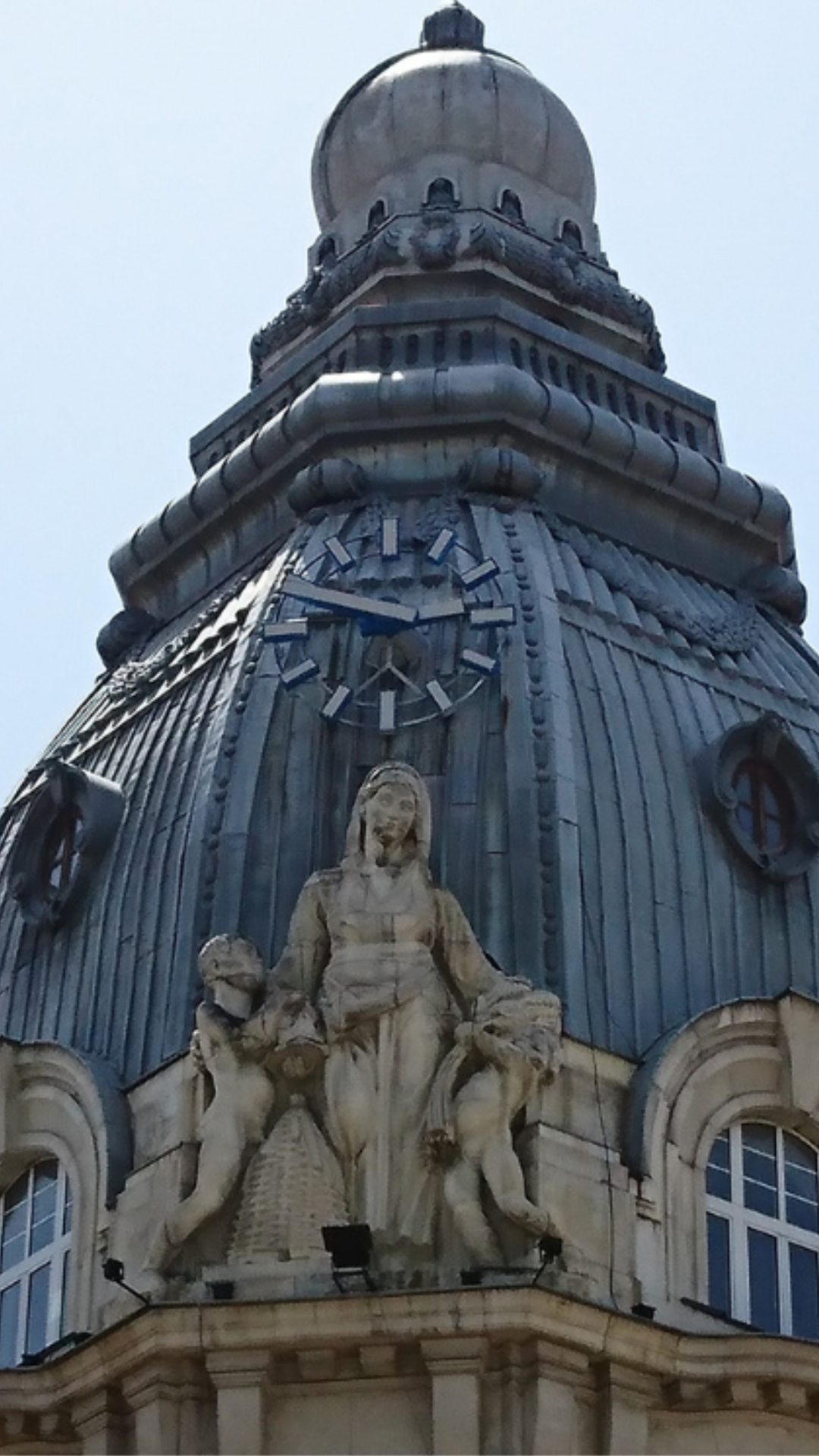
Just near, standing across the road, the DZI building, now home to the State Insurance Institute building, caught my eye.
Built in the early 20th century, its neo baroque elegance is hard to ignore, yet it was the carving beneath the central clock, high atop the building, that held my gaze. A sculpted woman stands serenely, we two small children, a boy and a girl standing either side, leaning into her side. There’s something tender in their poses, maternal and symbolic, perhaps alluding to protection, nurture, and the continuity of care that once aligned with the building’s original function.
It felt like the perfect final image to carry with me: a city that embraces both strength and softness, history and renewal.
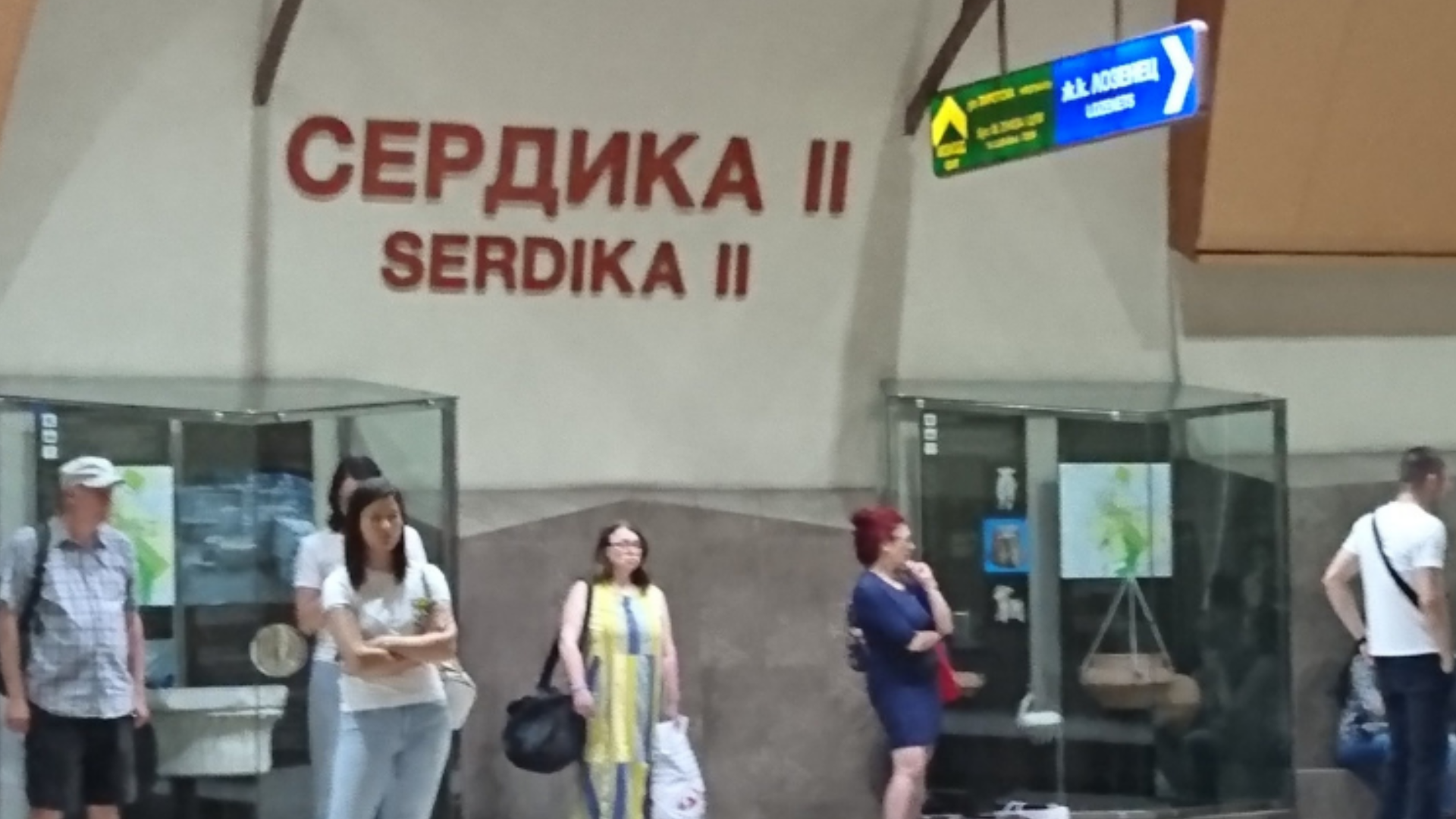
Back at the metro station, I was quickly reminded of the confusion from my earlier visit, still no clear signage in sight. Change of Metro Stations, and I’d soon be on my way to catch the bus.
Now running late for my assigned (and validated) return bus, complete with a fixed seating allocation, I made it with quite literally one minute to spare. Phew.
A completely baffling system, 14 empty seats, and yet I’m required to sit in my exact allocated seat… right beside another passenger, for the return journey of over an hour, with no additional stops.
Still, as the bus pulled away, the stress melted into the road and gave way to the shifting views beyond the window. A relaxing ride back to Blagoevgrad, watching the Bulgarian countryside unfold, just the kind of quiet ending a day like this deserved.
Sofia met me with a strong Mars line and a moderate Pluto line, together stirring an insatiable drive to explore, to learn, and to truly understand the historical depths of this city. These planetary combinations carried a quiet intensity, a push to look beneath the surface of architectural façades and uncover the human stories that have endured through time. There was an undeniable passion to walk through history not just as a traveller, but as a witness. Jupiter added a light touch, but it was enough to lift the heaviness at times, and let joy slip in, and to nudge me along the path of discovering a previously unknown city.
Adding complexity to the experience, I found myself under several Paran influences, each layering energy around me. With three intersecting paran lines weaving through my visit, the emotional and spiritual tones were deepened further.
The Venus/Mars paran infused the experience with charm and assertiveness, stirring a desire for passionate engagement, whether with people, places, or moments that moved the soul.
The Saturn/Neptune influence provided a deeply grounding energy that offered both structure and imagination. Under this alignment, I felt able to turn inspiration into something lasting, to give form to the intangible. It quietly supported moments of reflection, helping me to connect with the city’s spiritual and artistic heart in a way that felt both disciplined and sincere.
The Moon/Neptune, paran, was a more subtle, a more tender thread running through my visit. Opening a softness and emotional receptivity, bringing heightened sensitivity to the atmosphere, the history, and the unseen currents of place. At times, it felt as though the city whispered its stories through stillness and shadow. It was also the influence that led me to seek out quiet corners under the canopy of trees in a peaceful square, drawing me gently into as much as it drew my outer into the world.
Together, these planetary energies didn’t just colour the visit, they animated it. They shaped my lens, helped me feel more than simply see, and left me with a fuller, more soulful understanding of Sofia’s enduring legacy and its relevance to all of us navigating life through changing times.
As this third Soul Travel blog, journeying through Bulgaria, comes to a close, I’m filled with quiet gratitude for the richness this second visit to Sofia has offered, from the grandeur woven into its architectural layers, to navigating the quirks of its public transport, those quiet pauses beneath leafy trees, the planned joy of sweet indulgences, and the subtle sense of being guided by the city’s enduring spirit through history, beauty, and quiet resilience.
See you soon,
Consider signing up to receive new Soul Travel blogs, travel reflections, and astrocartography insights as new destinations are shared.

✨ If this story resonated with you, you are warmly invited to continue the journey in a way that feels aligned with you.

✨ Explore personalised insights through consultations
✨Begin with ‘The Journey’ Orientation
✨Listen to Destined Places podcast stories
✨Save and share Soul Travel inspiration on Pinterest