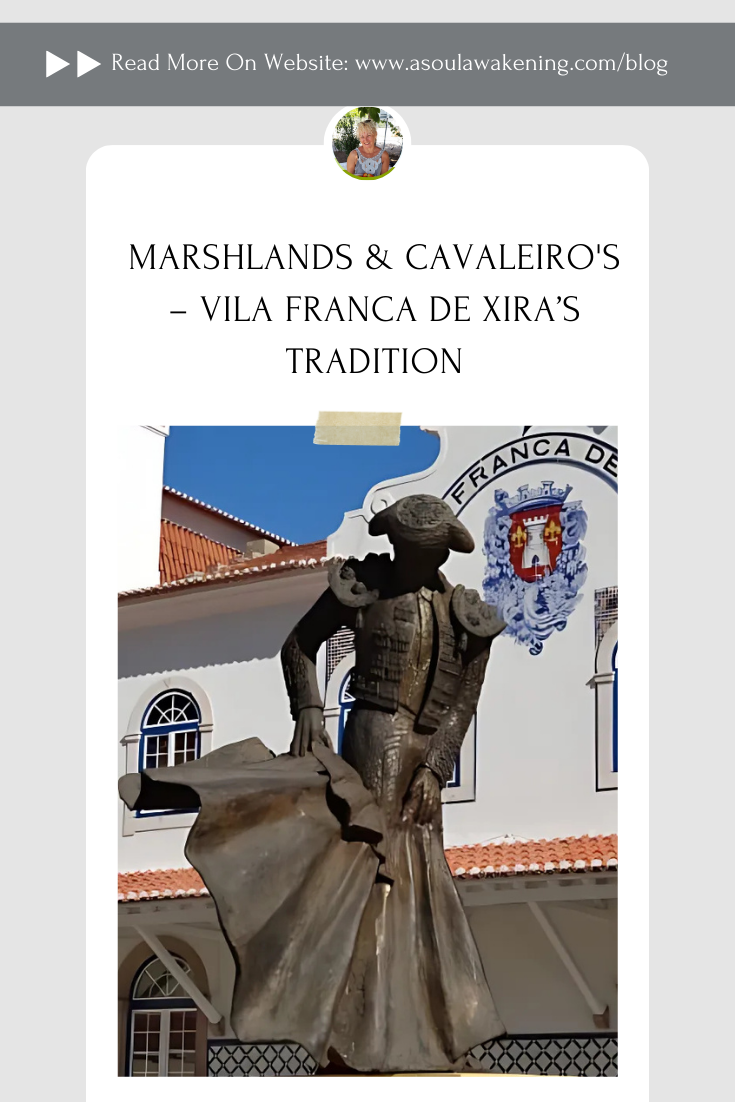
Marshlands and Cavaleiro’s | Vila Franca de Xira’s Tradition
Just a short 30 minute train ride from Lisbon lies Vila Franca de Xira, a picturesque Portuguese town with a history deeply intertwined with the ebb and flow of the Tagus River. Historically, this delightful town was a vital hub for agriculture and fishing, with its fertile marshlands providing sustenance for generations of inhabitants. Yet, it is Vila Franca de Xira’s deep connection to bullfighting that has left an indelible mark on its cultural identity.
Nearby to town are the lush alluvial plains, locally known as "lezírias," which serve as the heartland of Ribatejo culture. Here, the “campinos,” Ribatejo's iconic cowboys, maintain a watchful presence over the horses and bulls bred in these fertile landscapes. This unique harmonious blend of natural beauty and cultural tradition offers visitors a unique glimpse into the world of traditional bullfighting and its open marshes, making Vila Franca de Xira a captivating destination where the rhythms of the past continue to echo in the present.
The town's long-held traditions, upheld by loyal bullfighting enthusiasts, come to life each year with the annual Festas do Colete Encarnado, the Festival of the Red Waistcoat, that is held during the first weekend of July. This much celebrated event pays respect to the local bull-running culture and serves as a tribute to the campinos. Similarly, the three day annual October Fair, known by the local as Feira de Outubro also honours bull-running, and includes a series of bullfights held in the Palha Blanco bullring, affectionately known as the Praça de Touros by locals. These events are among the municipality's most significant celebrations, showcasing the enduring pride and cultural heritage of the local community.
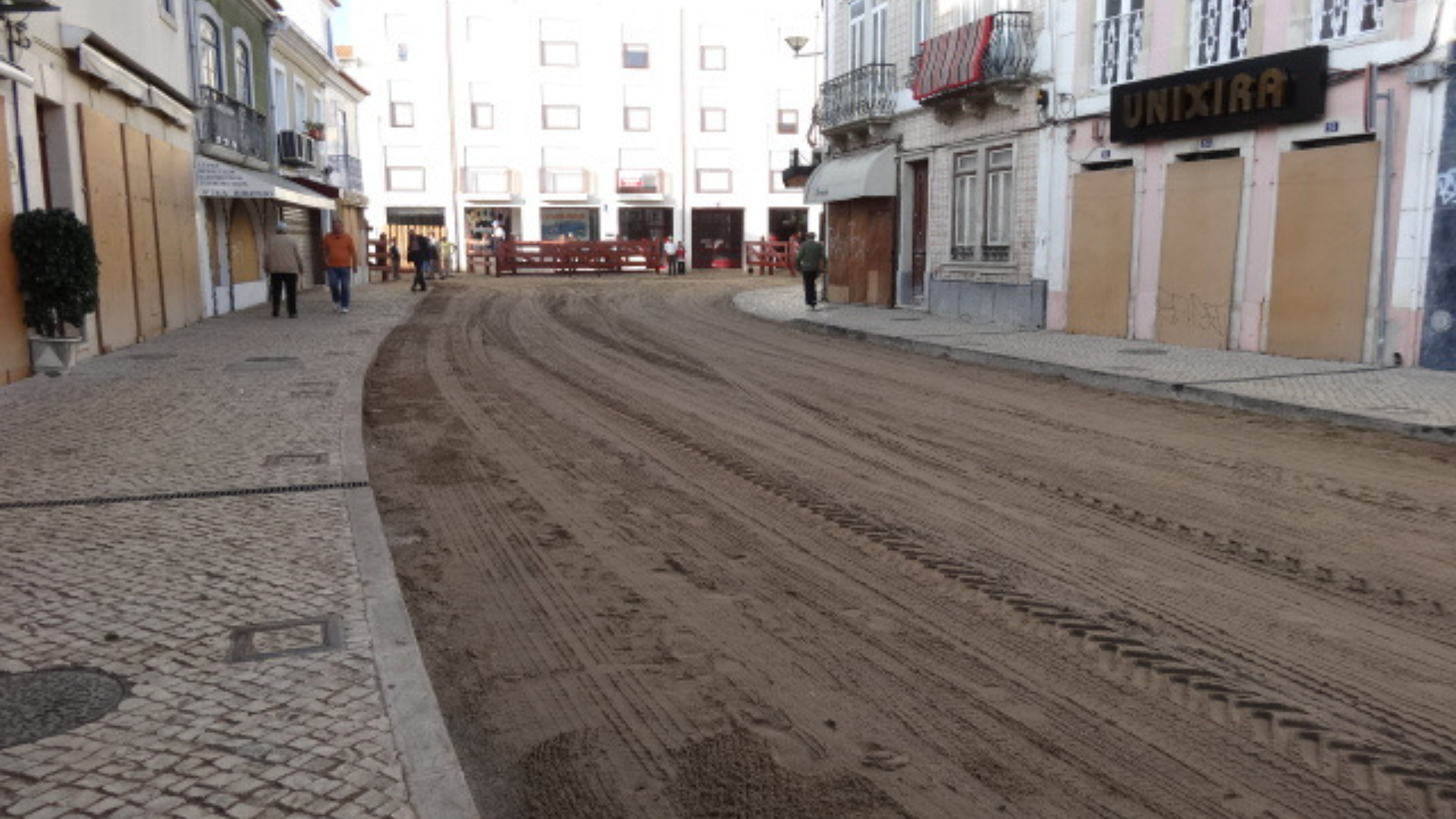
It's just a short walk from the train station to the Praça de Touros, where the streets are unusually quiet, yet preparations are already underway, including the traditional practice of covering the road with dirt.
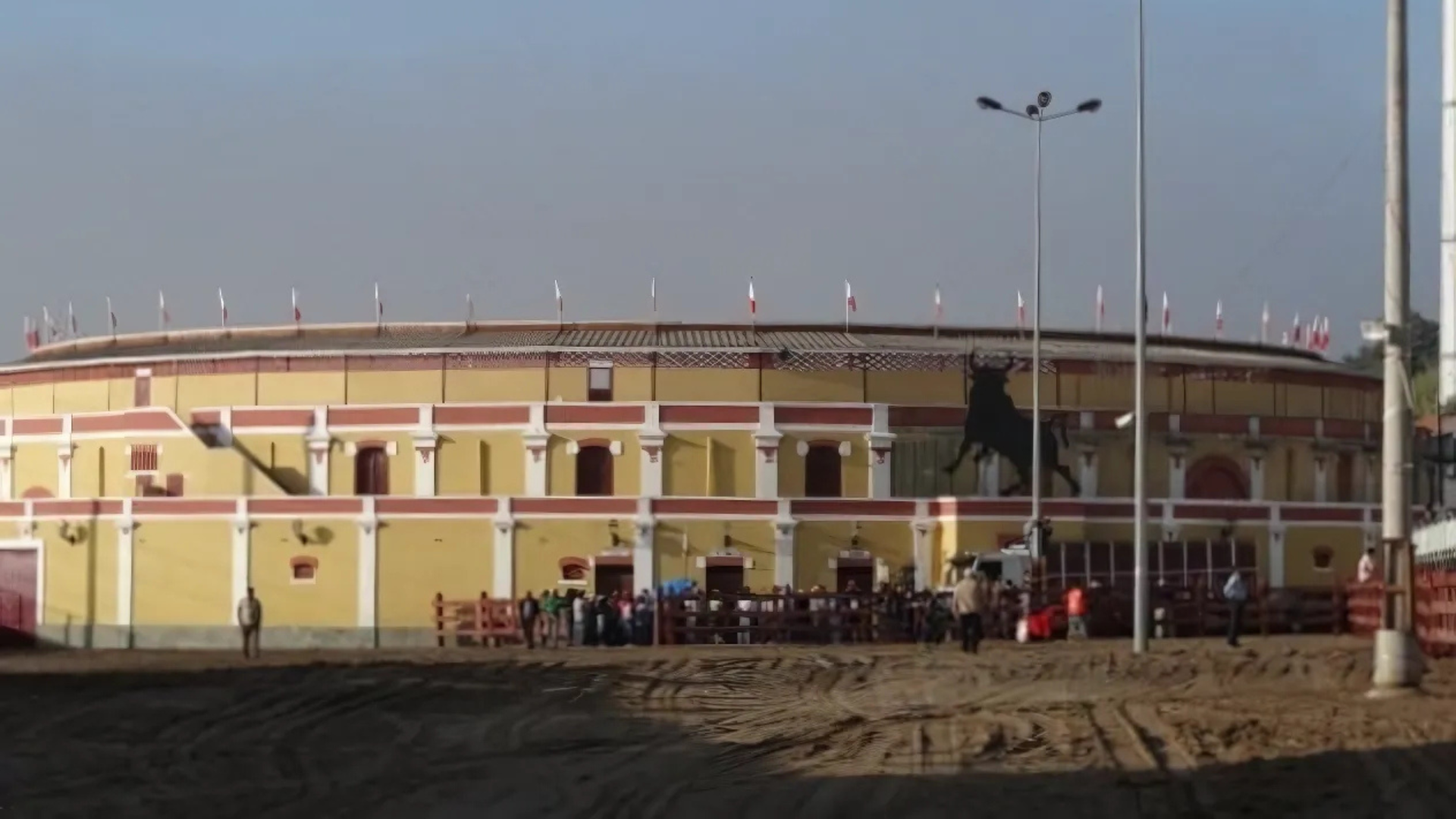
Walking along the dirt-covered road toward the Praça de Touros, situated in the heart of the town, stands before you, built in 1901 and remains in use today. This historic arena is one of Portugal’s eight first category bullrings, standing as a powerful testament to the enduring significance of bullfighting in the region's cultural heritage.
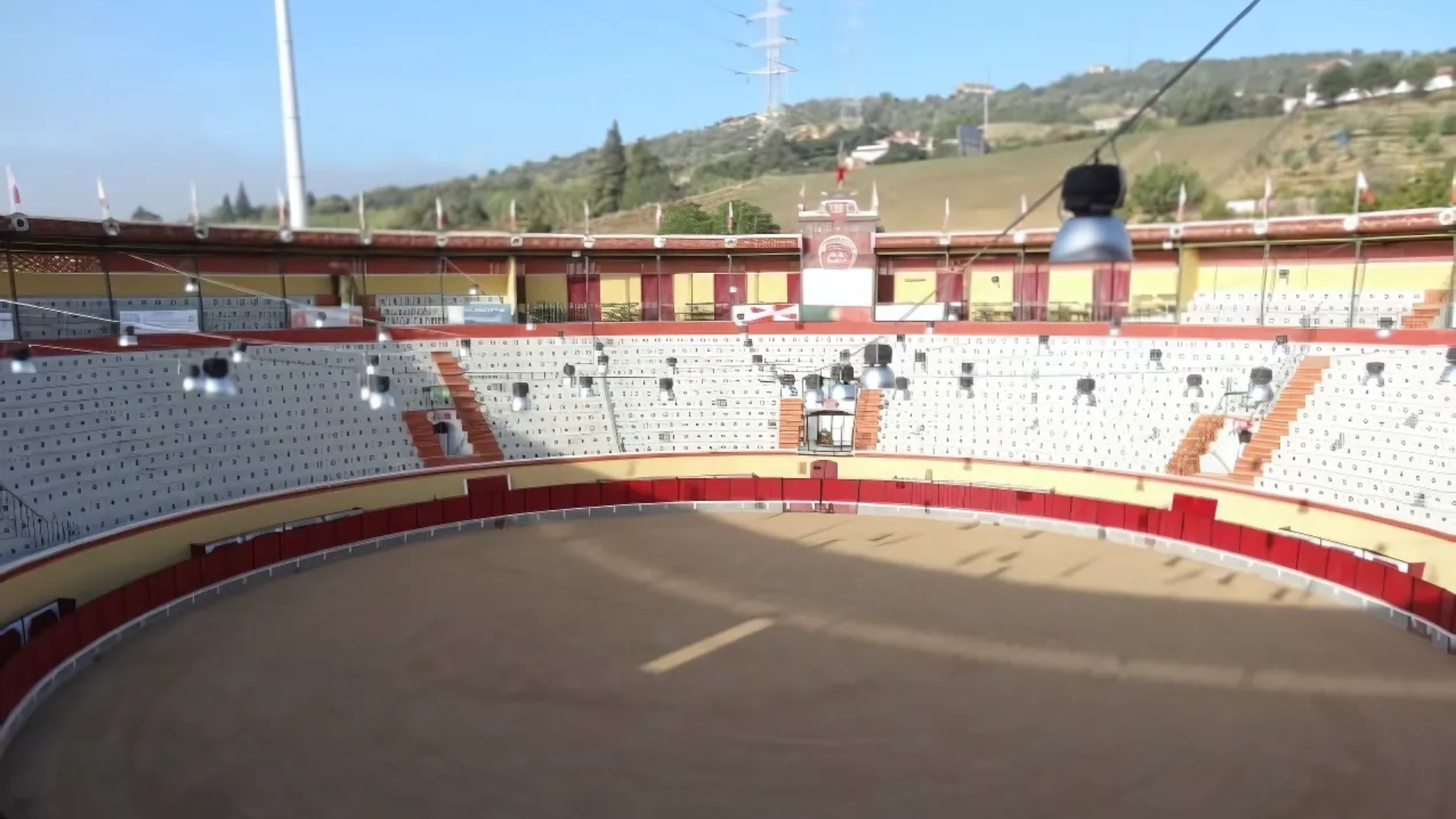
Having purchased my ticket, I stepped inside the empty stadium and was immediately taken aback by the sheer presence of the Praça de Touros. The sweeping curve of the tiered seating seemed to embrace the central manicured sandy stage, now still and silent, awaiting its next burst of life.
The stillness of the atmosphere carried a reflective sense of history. The lower inner walkway section of the arena, painted in vibrant red, symbolised the waistcoats worn by the campinos, the iconic horsemen of Ribatejo, during the Festa do Colete Encarnado, held each July, as well as the Feira de Outubro, event during early October. This well-maintained interior had borne witness to generations of tradition, of bullfights of the annual celebrations that brought the community together.
Pausing for a quiet moment to absorb my surroundings, I could almost hear the echoes of past cheers and the rhythm of hooves, a fleeting connection to the energy that would soon come to life through this storied arena once more.
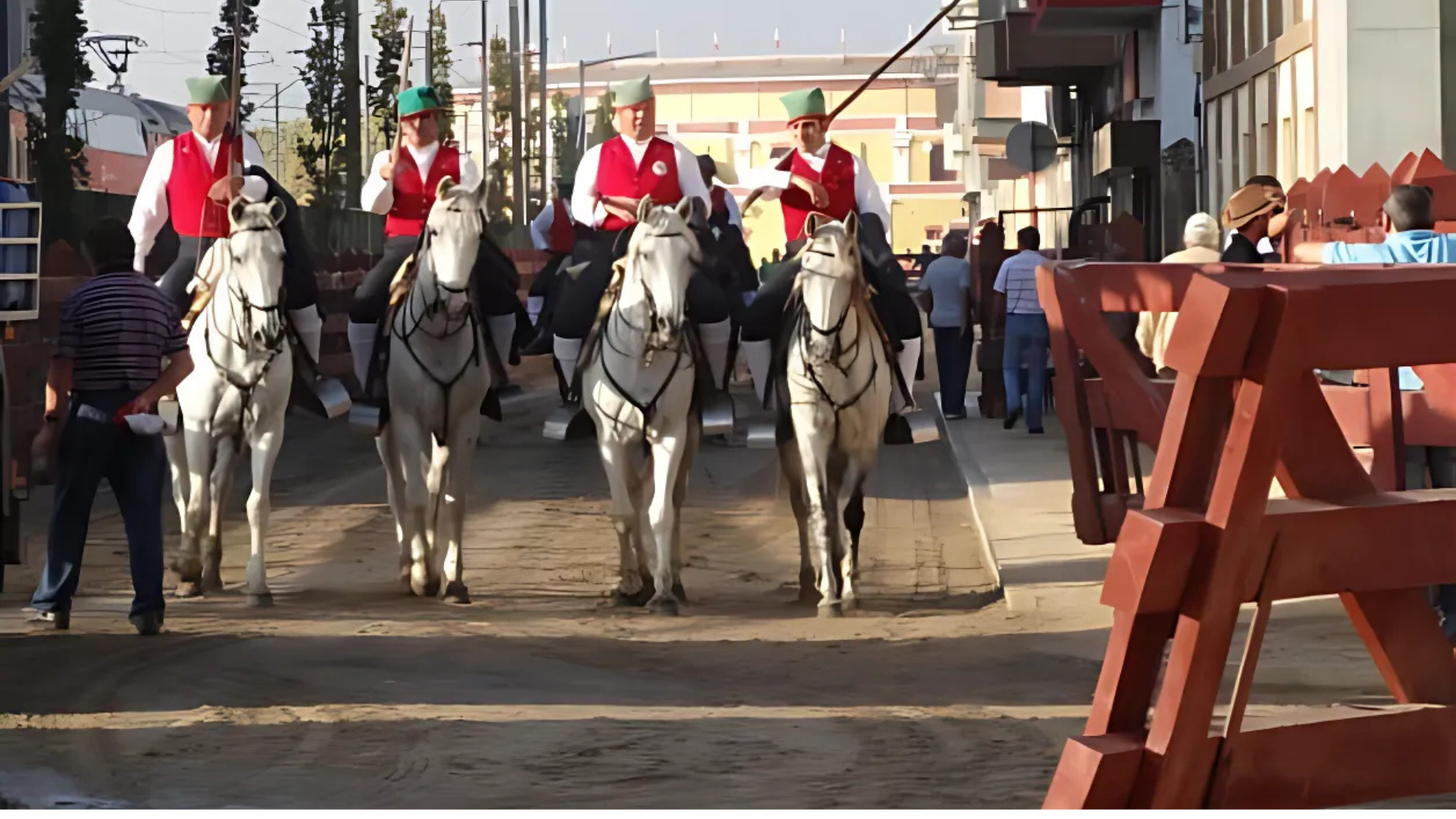
Making my way back toward the town center, I noticed several campinos, Ribatejo's iconic cattle breeders, riding their Lusitano horses as they departed from the Praça de Touros. I later learned that the campinos play a central role in Ribatejo culture, often engaging with the public as part of the town's cherished traditions.
The unmistakable figure of the campino, or Portuguese cowboy, is a vibrant symbol of this heritage. Dressed in a striking red waistcoat, black breeches, embroidered white socks, and a soft green, with a striped red hat, their attire reflects a proud connection to the region’s identity. These skilled horsemen are the guardians of the bulls and Lusitano horses bred on the herdades in the fertile marshlands that have long sustained Ribatejo’s pastoral way of life.
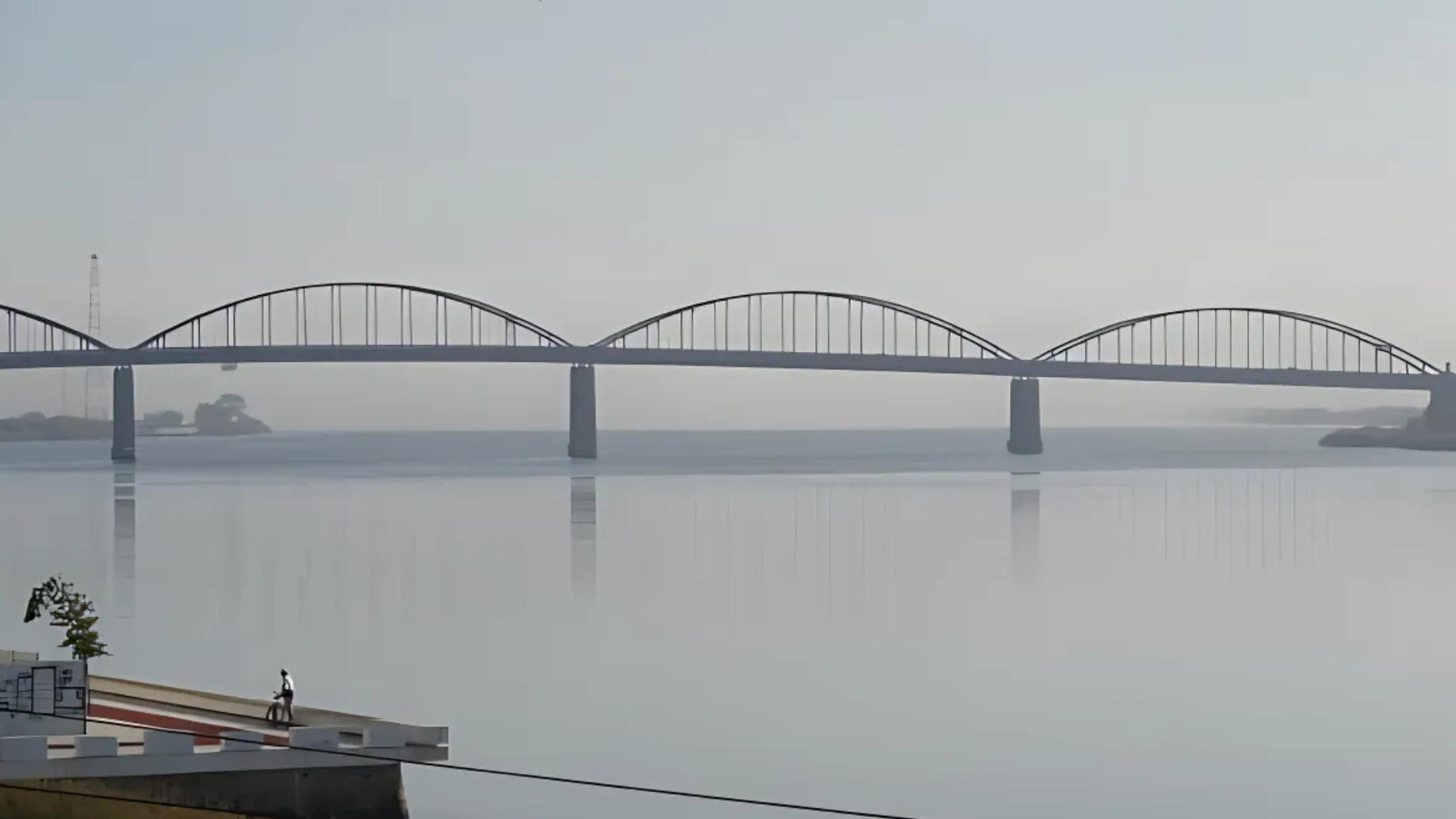
Whilst roaming around the town, one can't help but notice the Marechal Carmona Bridge, the very crossing I travelled to reach Vila Franca de Xira. The municipality of Vila Franca de Xira is made up of several smaller parishes that line the banks of the Tagus River, all centered around the regional capital of Vila Franca de Xira. Notably, the entire municipality falls within the metropolitan area of Lisbon.
Historically, this region is deeply rooted in archaeological significance, with evidence pointing to settlements dating back to prehistoric times. Early inhabitants included Lusitanian tribes, and over the centuries, the area saw occupations by Romans and later Arabs, leaving a blend of cultural influences. During the Middle Ages, the territory was reclaimed by Christian kingdoms in their efforts to consolidate the Iberian Peninsula.
Over time, this municipality became an integral part of Lisbon’s broader metropolis, including its infrastructural advancements. Marking the Marechal Carmona Bridge, an essential addition to Lisbon’s iconic crossings. Spanning the Tejo River, the bridge has supported railway and pedestrian traffic since the mid-20th century. Its innovative design, allowing ships to pass by rotating around a central axis, highlights its engineering significance.
Inaugurated on 30 December, 1951, the bridge marked a pivotal milestone in Portugal’s infrastructure, connecting the two riverbanks in a region vital for north-south travel. The vision for such a construction, dates back to 1924 when the municipality of Vila Franca de Xira submitted its request. The resulting toll-free bridge, stretching 1,224 meters, was a remarkable achievement, significantly enhancing regional mobility while standing as a testament to Portugal’s historical and infrastructural evolution.
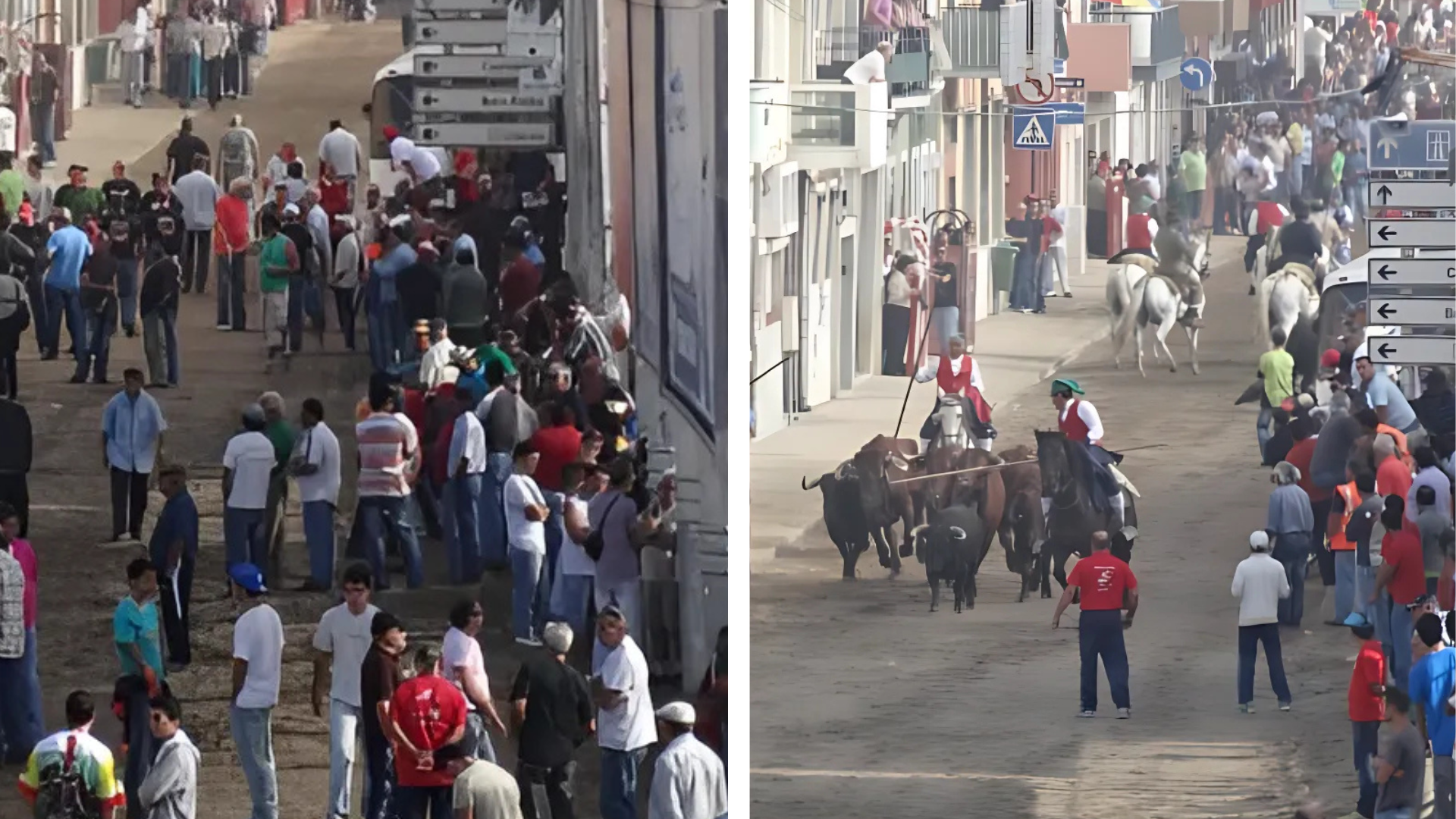
Crowds had begun gathering along the sand-laid road, eagerly awaiting the arrival of the campinos as they guided the bulls along the road. Meanwhile, the cavaleiros, mounted on the renowned Lusitano horses, mingled with the locals, adding their striking presence to the festive atmosphere. The anticipation builds as both campinos and cavaleiros make their way toward the bullring, preparing for the event that is soon to unfold.
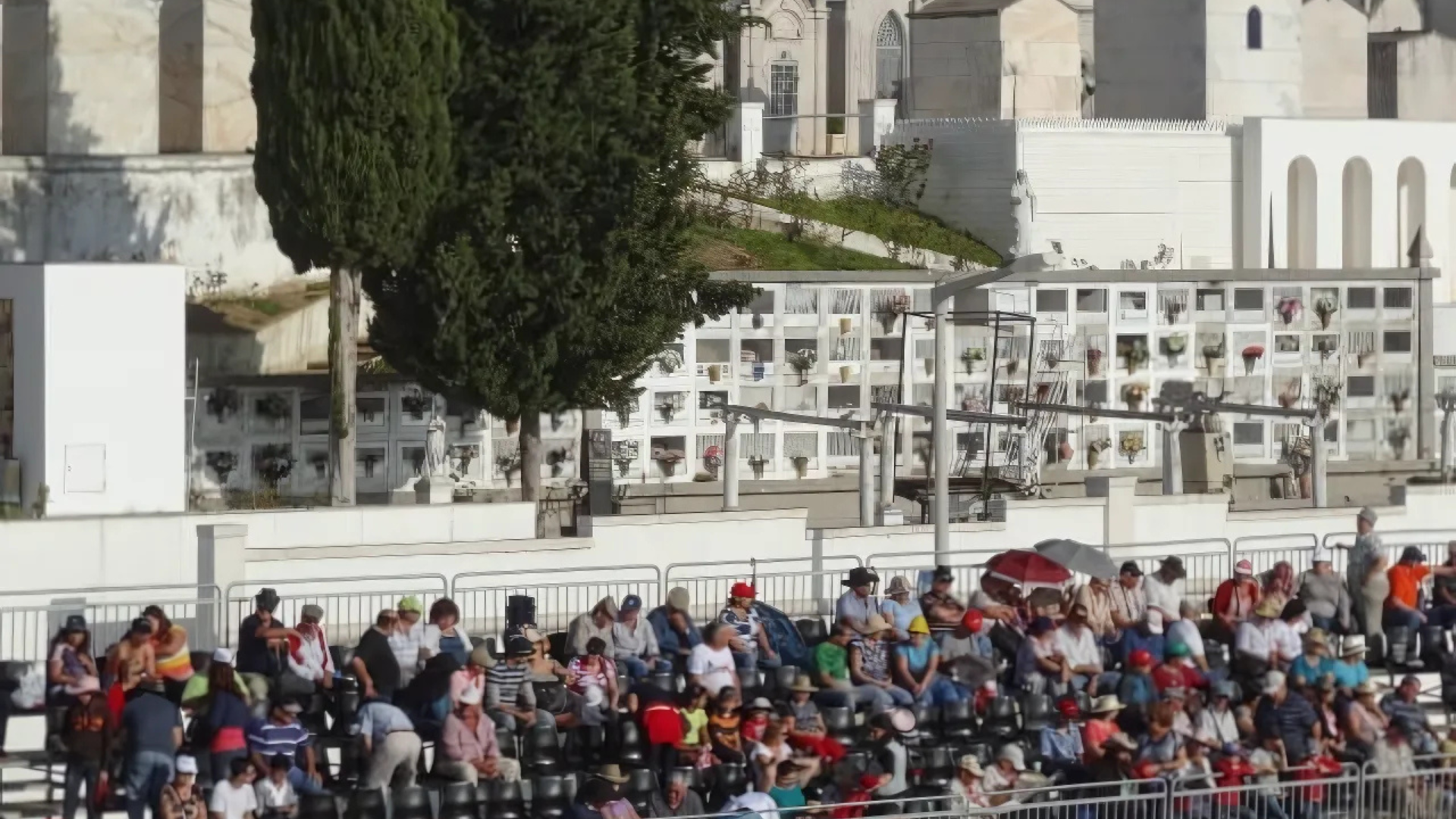
I’d made my way into the arena, finding a seat among the crowd that had gathered inside. From the opposite side of the arena, I noticed a small gathering had formed, offering a clear view of the coming event. Beyond them, I could see an interment of ashes wall alongside several Portuguese house mausoleums in the local cemetery. This distinctive style of house graves, built between 1923 and 1933, stood in quiet homage to both past and more recent traditions. Together, they provided a serene and historical backdrop, contrasting with the lively anticipation filling the bullring.
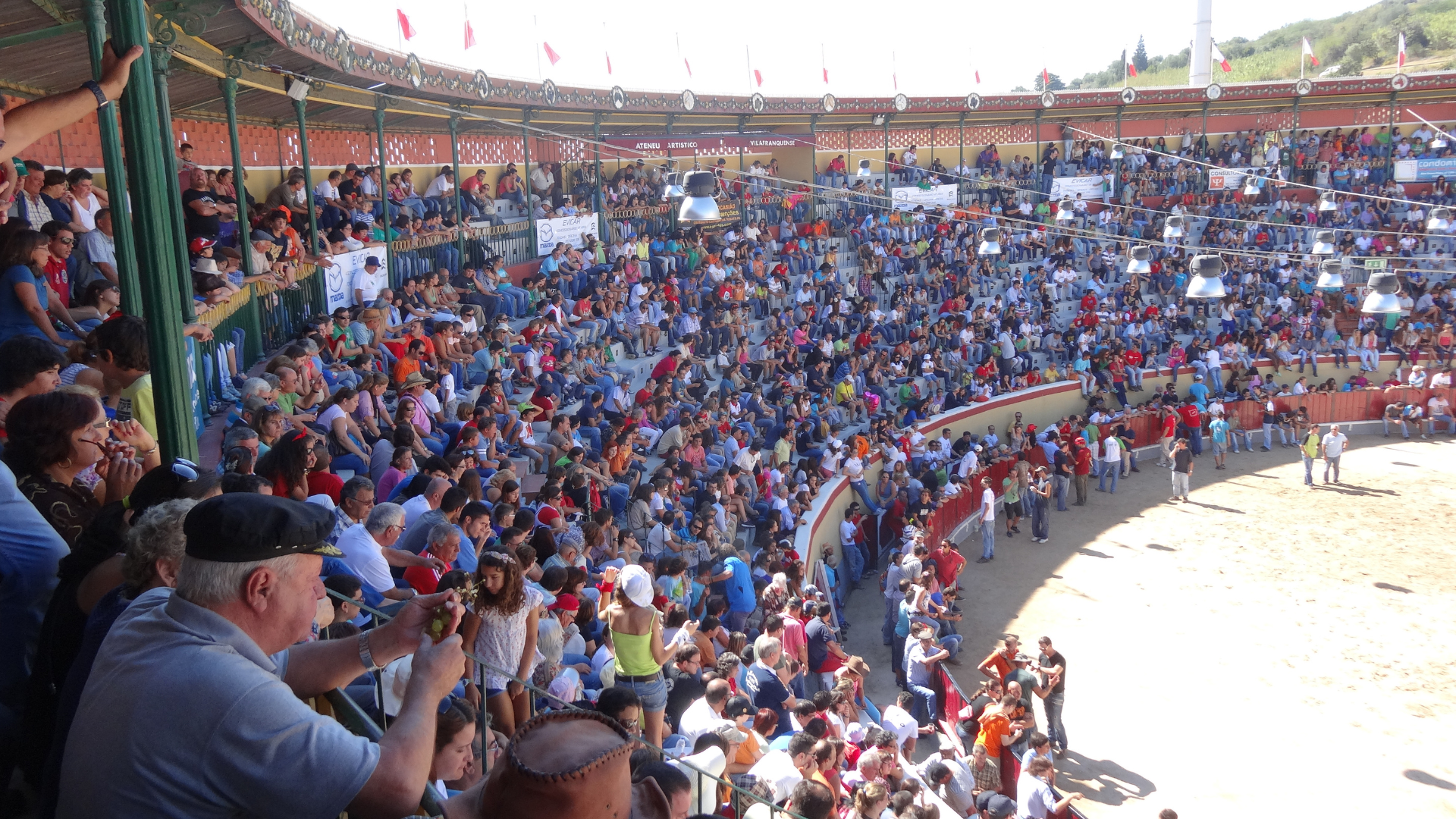
Before the campinos enter the arena with the bulls, soon to be joined by the Cavaleiros, the now larger crowd waits in eager anticipation. Many locals gather within the narrow inner pathway that runs along the bullring's perimeter, while others casually cross the center of the arena, making their way from one side to the other.
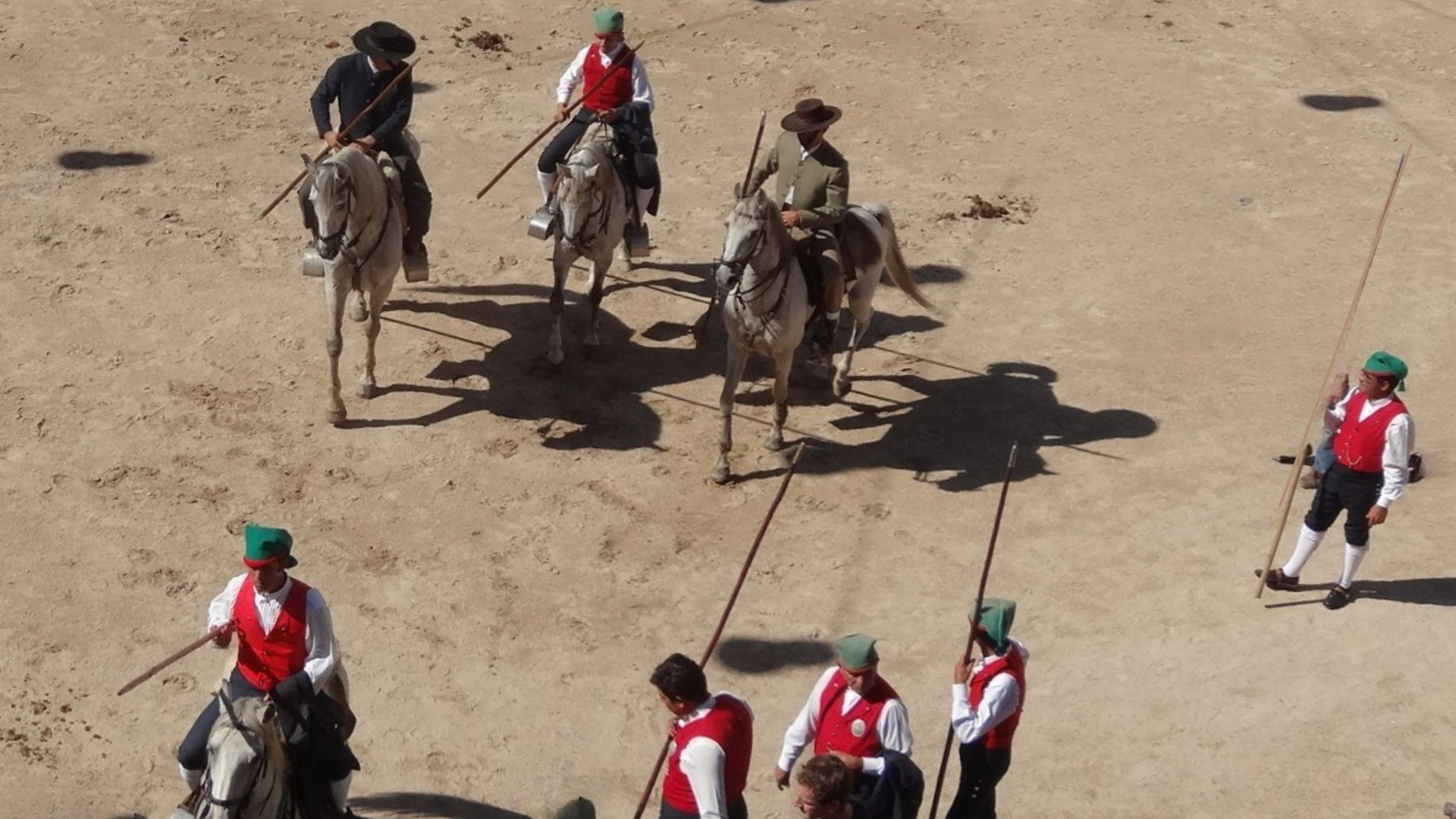
Vila Franca de Xira's bullfighting tradition, while influenced by Spanish practices, has been uniquely adapted to align with Portuguese practice and ethics, dating back several centuries. Portuguese bullfighting, known as tourada, differs significantly from its Spanish counterpart, most notably in its treatment of the bull. Unlike in Spain, the bull is not killed in the arena but is instead fought and subdued, emphasising the artistry and skill of the handlers over brute force or lethal outcomes. This approach reflects a deep cultural respect for both the animal and the practice of bullfighting.
In Portugal, the stars of bullfighting are the cavaleiros, who take center stage instead of the Spanish matadores. The cavaleiros engage in a composed dance with the bull, showcasing their precision and artistry rather than violence. Another hallmark of Portuguese bullfighting is the pega, a face catch performed by the forcados, a group of men who confront the bull directly without any protective barriers. This practice, requiring immense bravery and teamwork, is one of the most dangerous aspects of the event.
Engrained in these centuries old customs, Portuguese bullfighting honours skill, courage, and respect for the bull, prioritising its welfare and reflecting a profound cultural reverence for life and tradition.
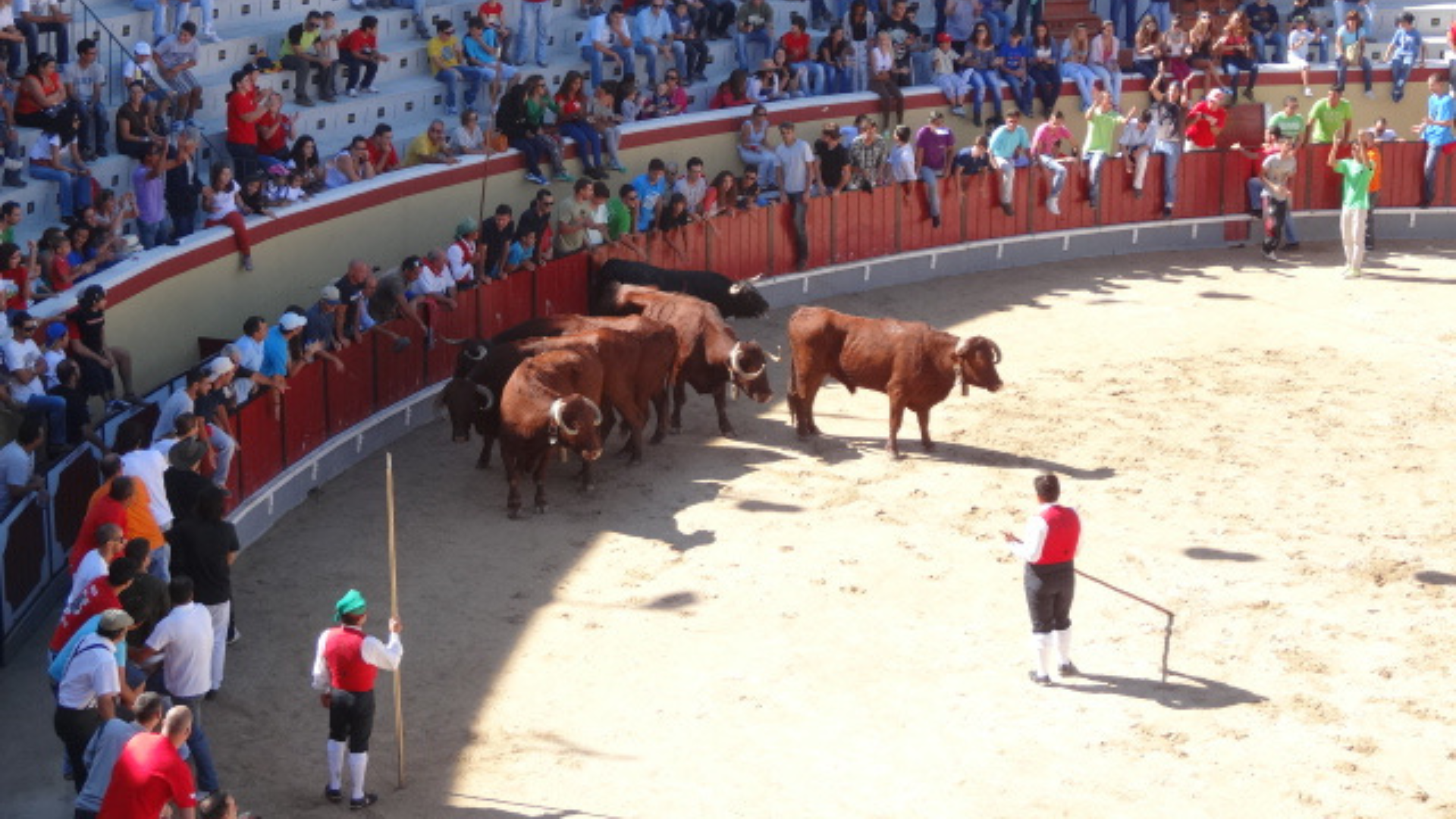
As a Note: For travellers seeking to enrich themselves in Portugal's cultural tapestry through these events held in Vila Franca de Xira, it’s important to approach the experience with an open mind and respect for local traditions, as well as an awareness of the ongoing discussions about their relevance in present day society. Whether drawn by the historical pageantry and skill of the campinos, the bravery of the forcados, the cavaleiros artistry of the choreographed dance with the bull, or simply a desire to appreciate the vibrant atmosphere of the festival, Vila Franca de Xira offers a unique glimpse into Portugal’s rich connection with its cultural heritage.
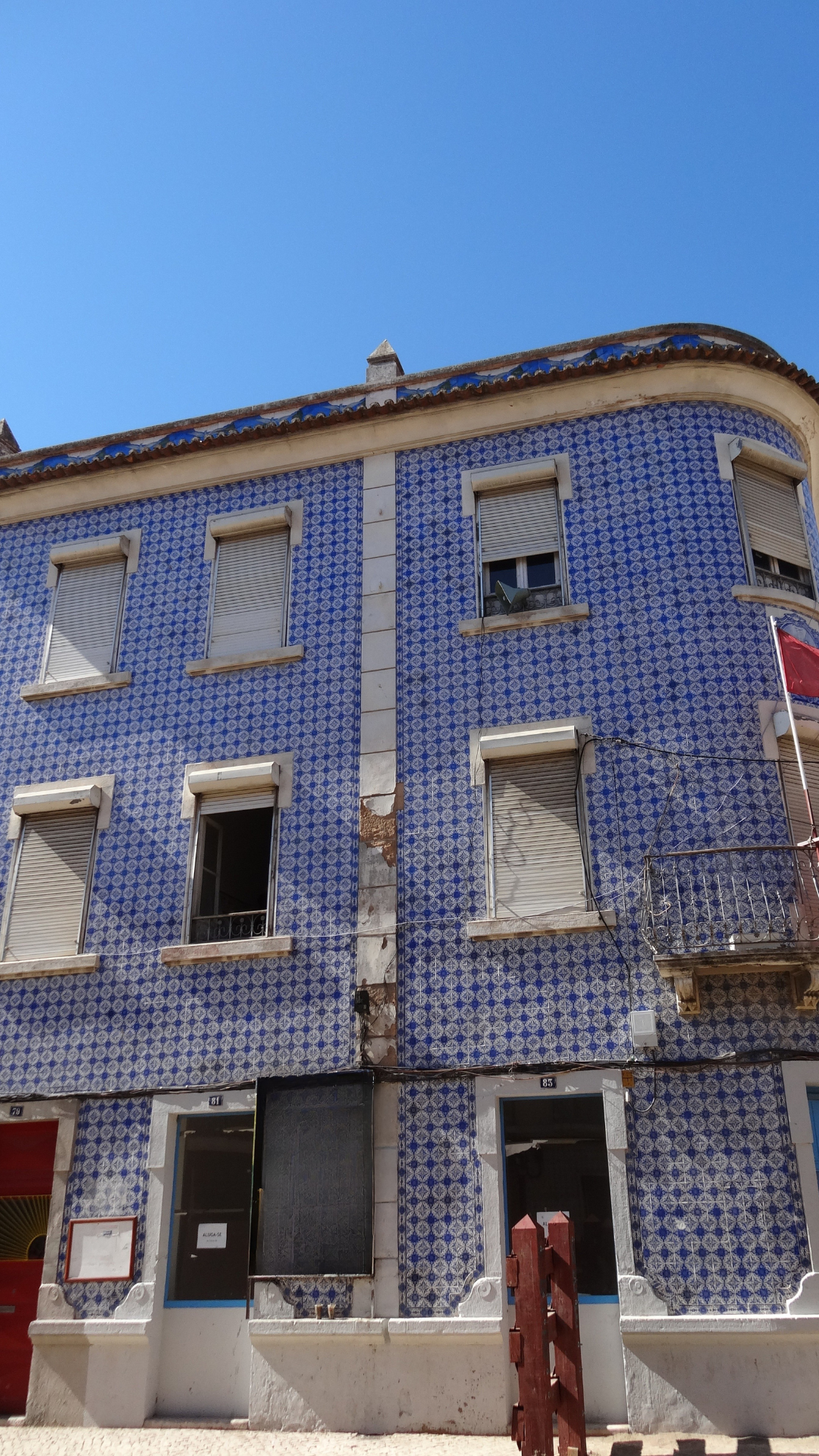
Having stayed for a short time to experience the spirit and essence of the day's event, I passed by the PCP office, its exterior covered with a diamond star pattern in white and blue azulejos tiles, a distinctive touch that stood out against the town’s blend of historic charm, modern influences and an iconic feature that embodies the essence of Portuguese culture.
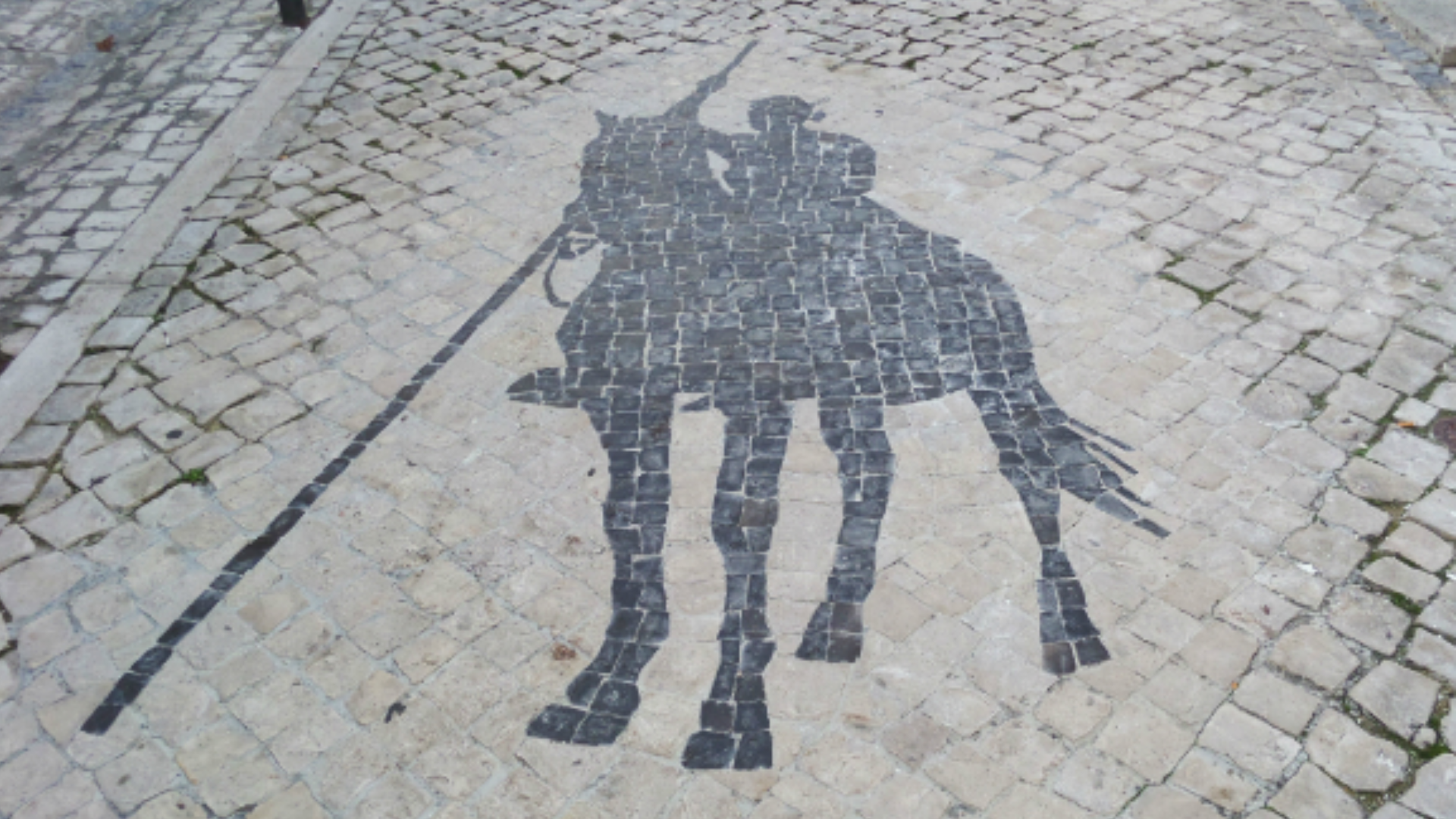
Walking along the cobblestone footpath, I noticed how Vila Franca de Xira's cultural history with bullfighting is also woven in a street. A detailed designed motif depicts a cavaleiro on horseback, a striking tribute to the town’s deep-rooted traditions and storied heritage.
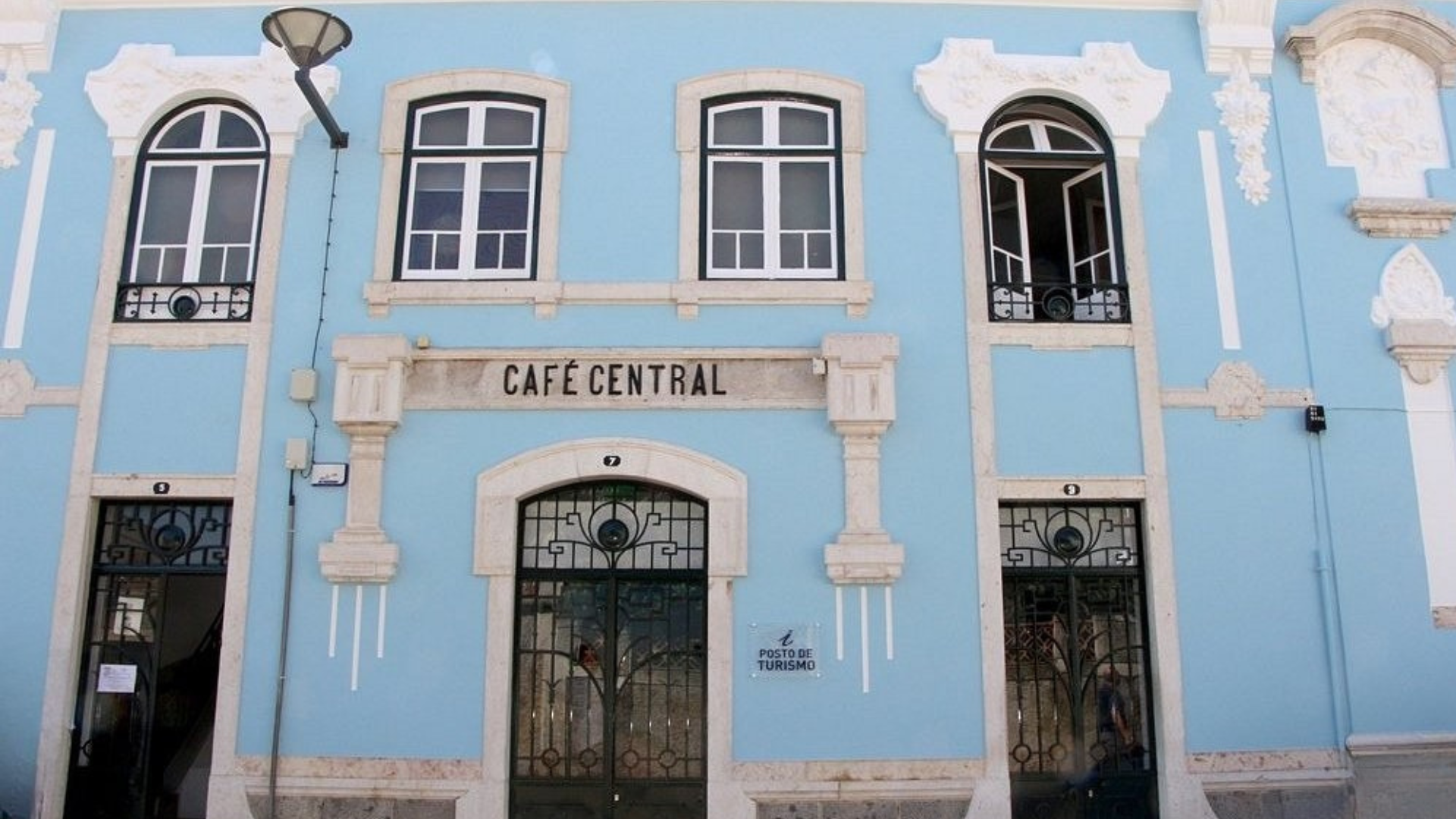
Passing the former Café Central, once a gathering place that strengthened the community ties of Vila Franca de Xira, I paused to admire its beautiful art-deco façade. Built in the first half of the twentieth century, this architectural gem now serves as the town’s Tourism Office, preserving its historical charm while embracing a new purpose.
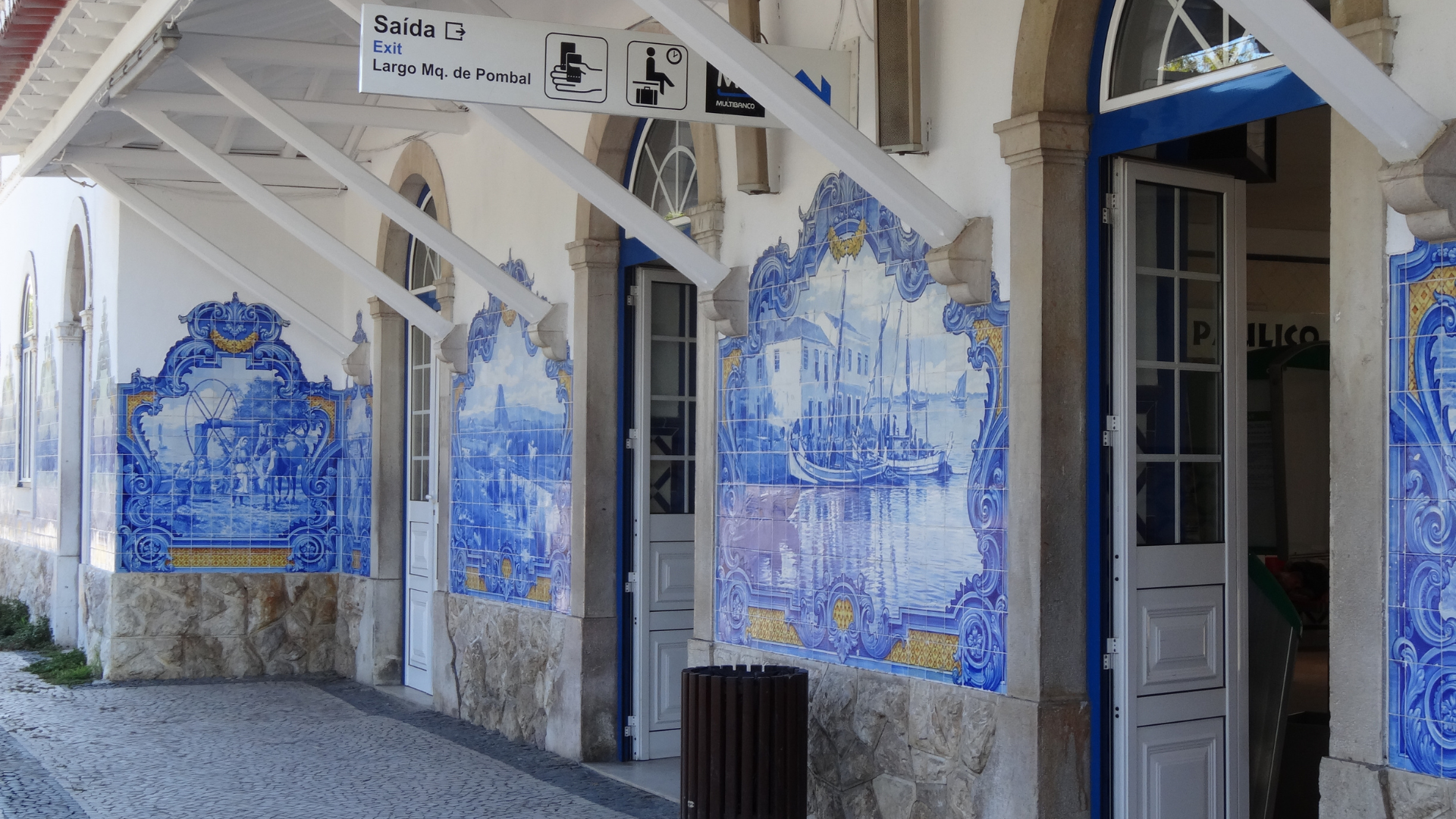
I'd made my way back to the train station, where I found myself in awe of the beautiful pictorial azulejos tiles. Each tile tells a story, and unlike the more common religious depictions, these illustrations capture something different, offering glimpses into five centuries of history, daily life, and the cultural identity of Vila Franca de Xira, all preserved in vibrant ceramic artistry.
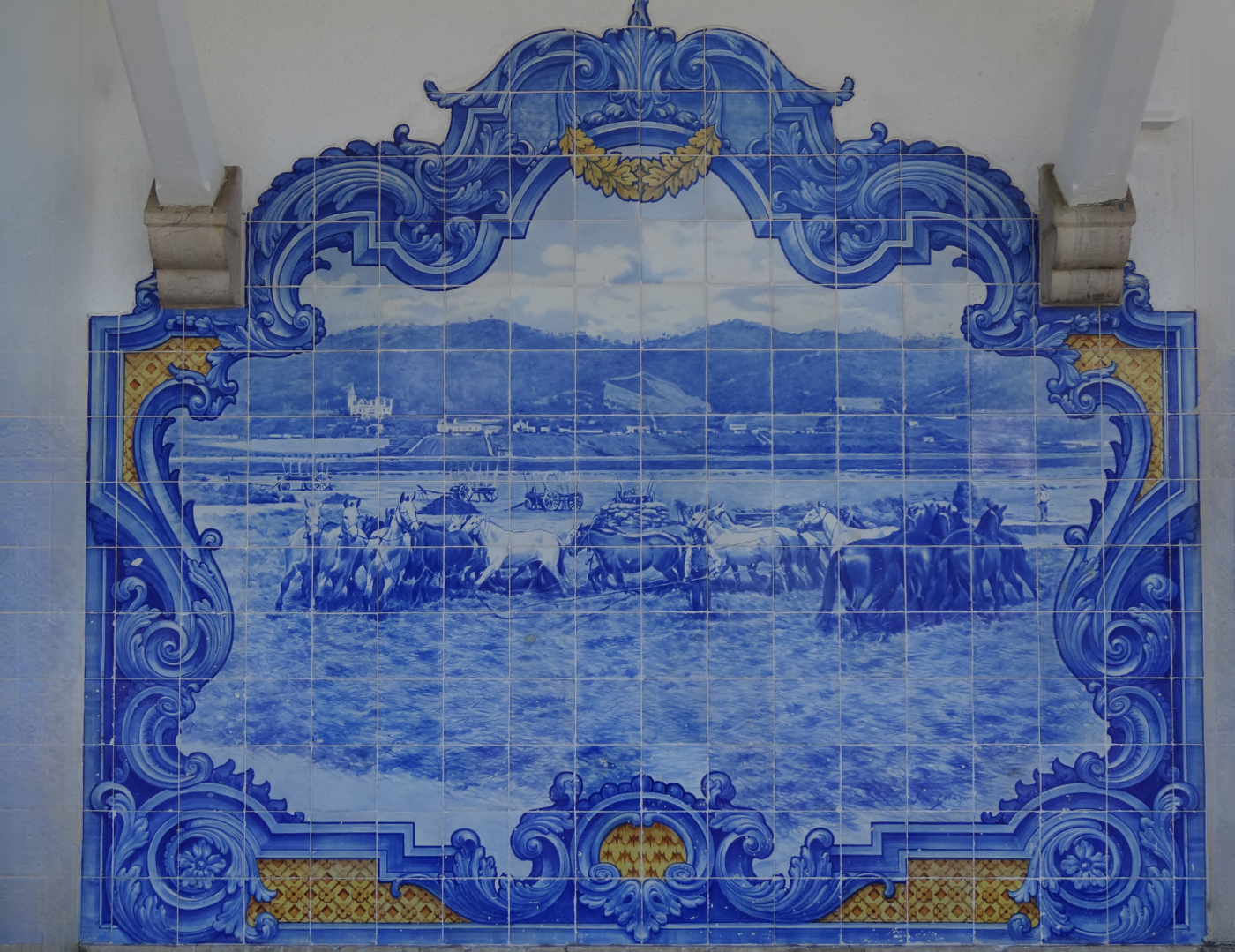
The historic practice and enduring tradition of a campino overseeing a herd of Lusitano horses in the herdades, fertile marshlands alongside the river, continue to shape the region's identity from past to present.
The train arrives, it’s time for me to return to Lisbon. Vila Franca de Xira is a unique blend of old and new. While deeply respecting and preserving its traditions, the town has also embraced modernity, with a contemporary-design museum adding fresh layers to its cultural landscape.
Whether you’re a history enthusiast, a nature lover, or a cultural buff, Vila Franca de Xira has something to captivate you. Its scenic beauty, combined with a rich cultural tapestry, makes it an ideal destination for those looking to explore a less-trodden path in Portugal. So, if you’re visiting Portugal and planning your next adventure, consider a stop in Vila Franca de Xira. From the marshlands to the campinos, from centuries-old traditions to lively contemporary festivities, this town promises a journey through history, heritage, and celebration.
My personal connection with Vila Franca de Xira is intricately linked to its proximity to Lisbon, where my North Node astrocartography line aligns with my birth chart, guiding me on a path of spiritual growth and self-discovery. This placement ties my destiny to creative expression, enhancing my artistic and intuitive abilities while deepening my understanding of how I contribute to the world.
With Venus and Neptune shaping my experience, passion and inspiration infused many moments, casting a soft, dreamlike quality over my surroundings. This celestial alignment allowed me to absorb the emotive stories told through tile art, find harmony in the melodies of local music, and admire architectural beauty, all while learning to embrace these heightened sensitivities without becoming lost in sentimentality.
In this Soul Travel blog on my journey through Portugal, I explore Vila Franca de Xira, a town where tradition and artistic expression are etched into its very landscape. Here, azulejos, Portugal’s iconic hand-painted tiles, adorn the train station and other buildings along its busy streets, each one narrating stories of heritage, devotion, and the region’s deep connection to its culture, the fertile marshlands, and bullfighting history. Strolling through the town reveals a tapestry of ceramic artistry, blending history with contemporary life.

✨ If this story resonated with you, you are warmly invited to continue the journey in a way that feels aligned with you.

✨Explore personalised insights through consultations

✨ Begin with ‘The Journey’ Orientation

✨ Listen to Destined Places podcast stories
✨ Save and share Soul Travel inspiration on Pinterest