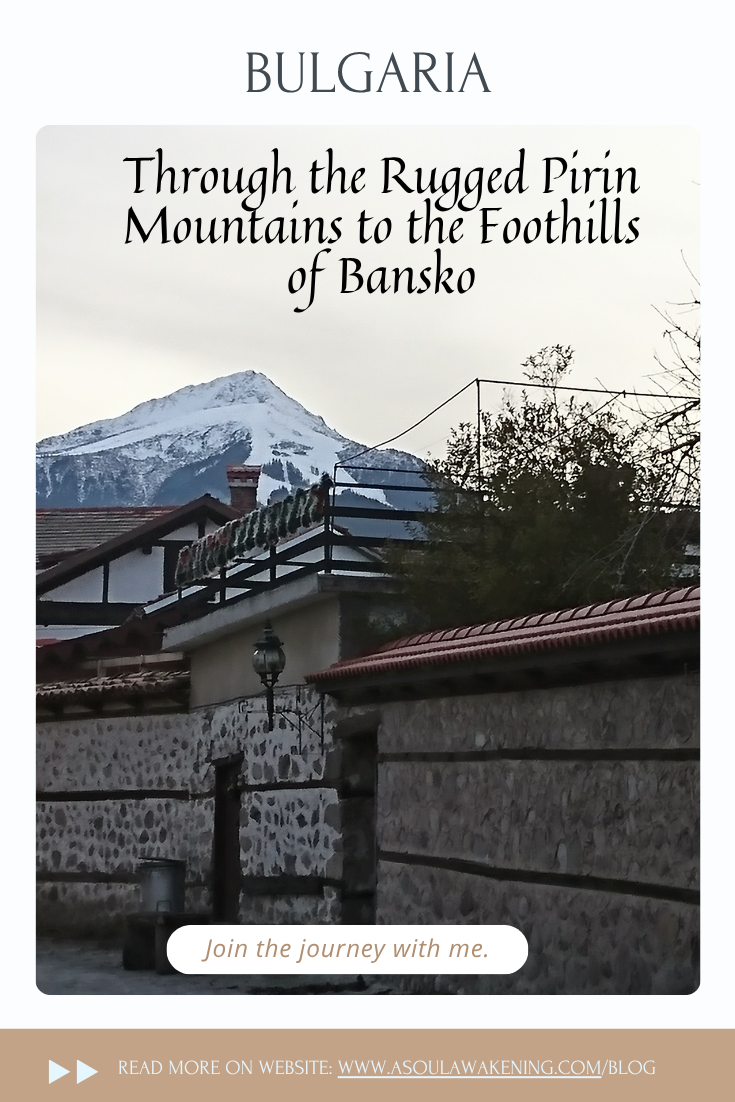
Through the Rugged Pirin Mountains to the Foothills of Bansko
Leaving Blagoevgrad and heading south towards Kulata (BG - Кулата), it’s a relaxing drive of just over an hour to the village of Sandanski. From there, we followed the signs near the village of Novo Delchevo, turning towards Petrich and continuing through the picturesque Pirin Mountains (BG - Пирин) via route 198, passing through Gotse Delchev (BG - Гоце Делчев) before connecting with route 19.
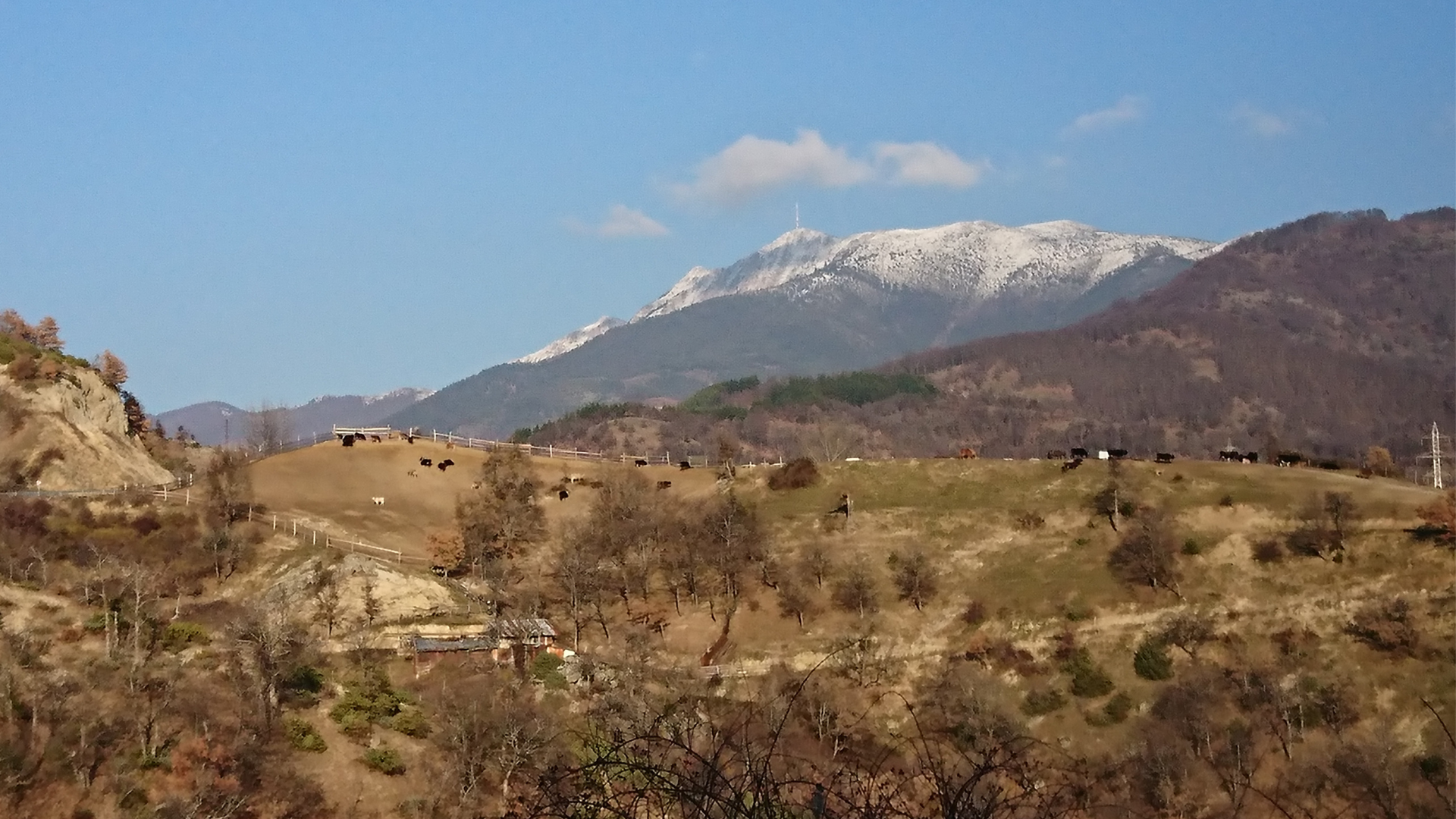
Stopping, when possible, to admire cows grazing lazily in the sun, and to breathe in the sweeping views of snowcapped mountains and the breathtaking terrain of Pirin National Park, a recognised UNESCO World Heritage Site. Route 19 weaves through small, remote villages perched high above sea level, adding a quiet charm and gentle remoteness to this alpine passage.
Pirin National Park was first established in 1962, originally known as the Vihren Nature Reserve. At that time, it covered just over 6,000 decares (approx. 1,535 acres), but now spans more than 40,000 decares (9,884 acres). The park is home to the highest points of the Demyanishka and Vihren regions, including one of the oldest reserves in Bulgaria: Bayuvi Dupki – Dzhindzhiritsa. The ecosystem supports a wealth of native species, including medicinal plants, mosses, lichens, and a variety of small mammals and birds.
It's also a paradise for hikers. The international E4 hiking route, beginning in the French Pyrenees, stretching through the Alps and across Bulgaria’s Rila and Pirin ranges, before concluding in the Peloponnese of southern Greece, passes right through here.
Pirin Nature Park is a vital national treasure, and preserving its beauty is of utmost importance. Littering is strictly prohibited, as are hunting and fishing in many of the park’s rivers. Logging is forbidden, and visitors are reminded not to tamper with the park’s signage or trail markers.
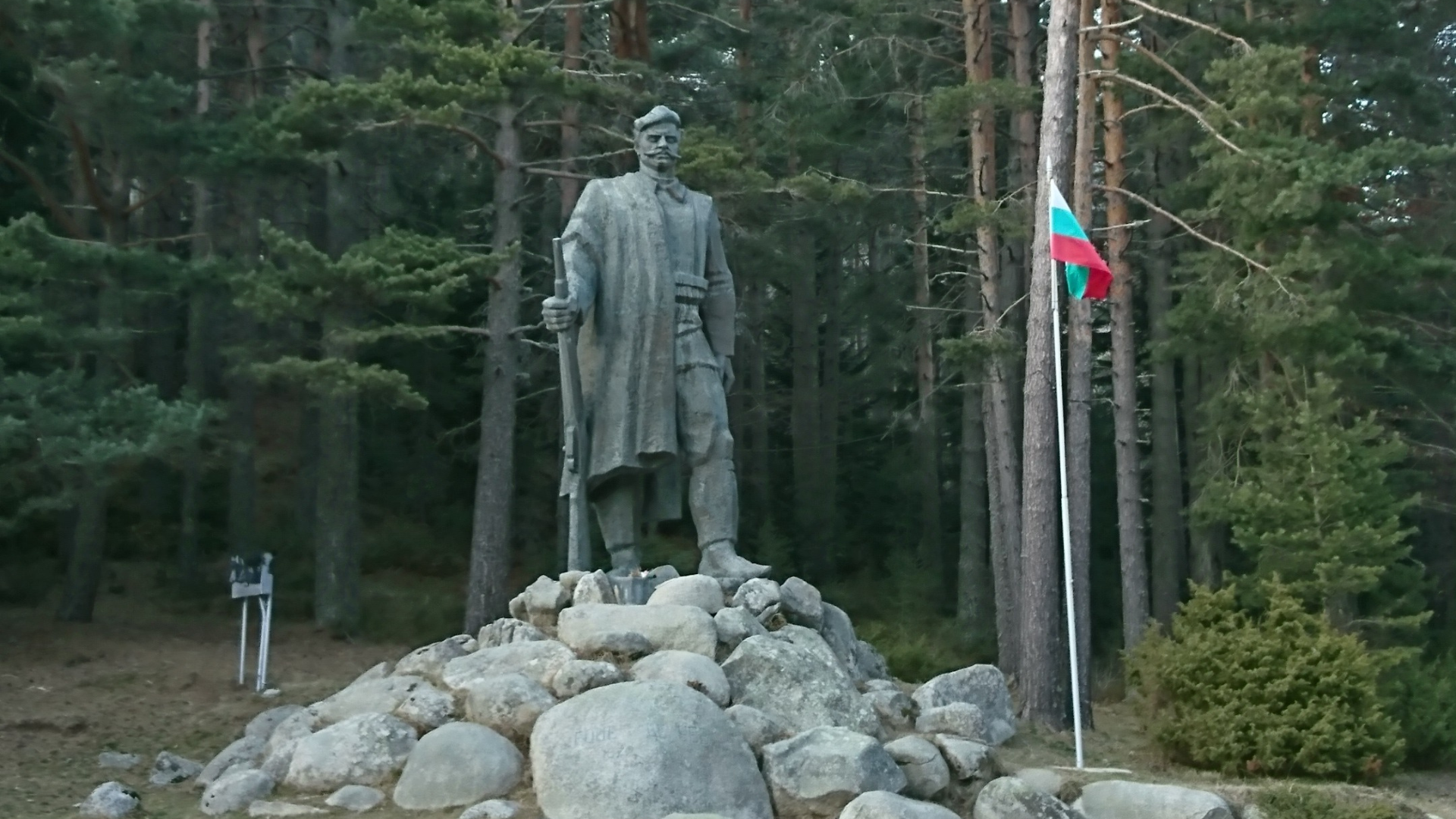
Passing through the tall pine forests between Dobrinishte and enroute to Bansko, we pulled over to admire the striking Monument to the Bulgarian Hero, a tall stone statue set on a pile of rugged boulders, with the Bulgarian flag billowing proudly beside it. It stands as a tribute to Bulgarian cultural heroism and the local history of resistance, its lone figure looking stoically across the landscape.
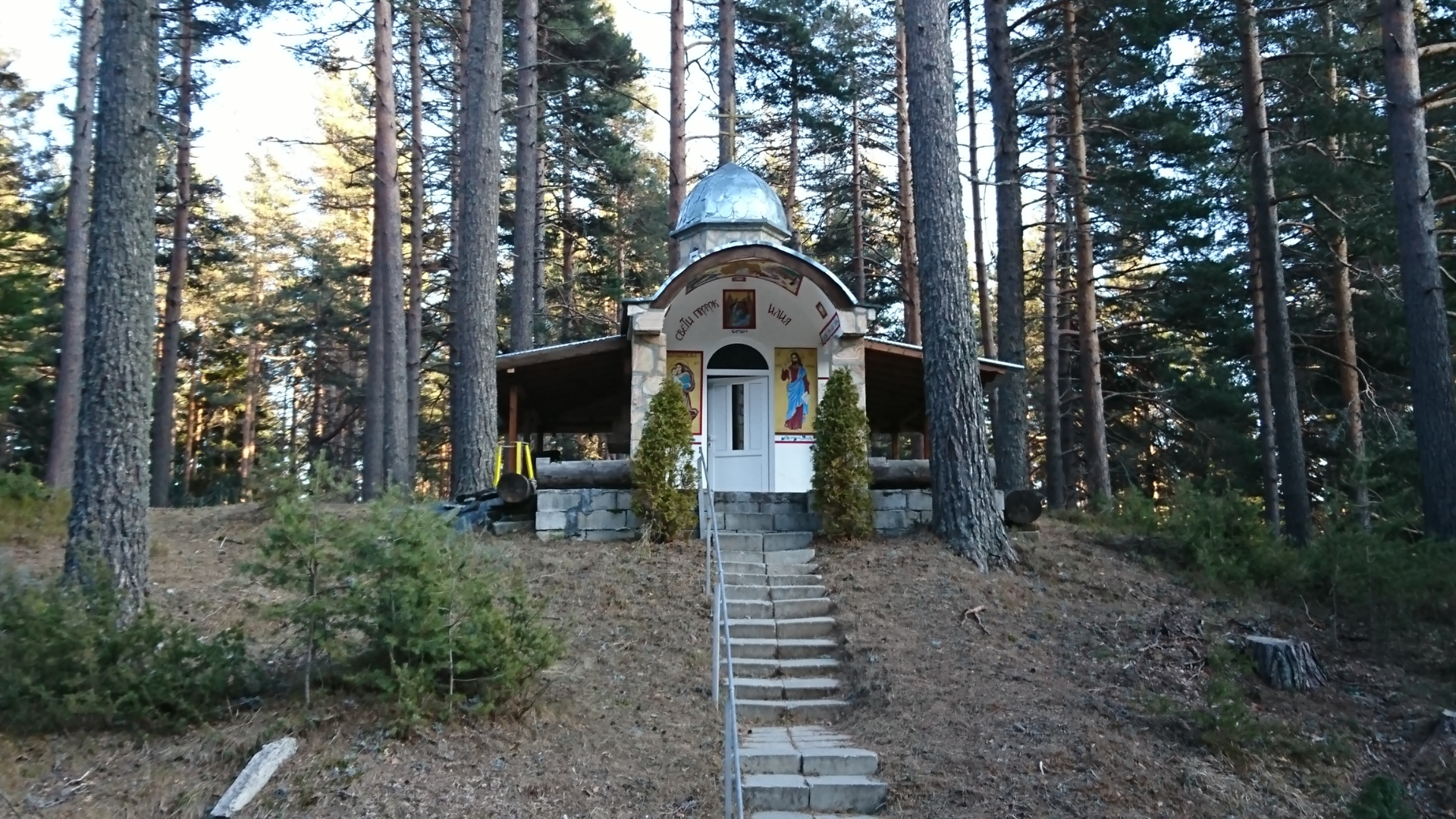
Directly across the road, nestled quietly among the pines, we came across a small forest chapel. With its painted external frescoes, and silver dome entrance, it felt like a hidden sanctuary in the woods. While I wasn’t able to translate the Bulgarian signage, it likely honours St. Prophet Elijah or another local saint, a sacred space for quiet reflection, sitting peacefully among the trees.
Driving slowly along the winding mountain road, windows partially down, you could hear the gentle sound of water flowing over lichen covered rocks, and see clumps of frozen snow nestled in the branches of the trees.
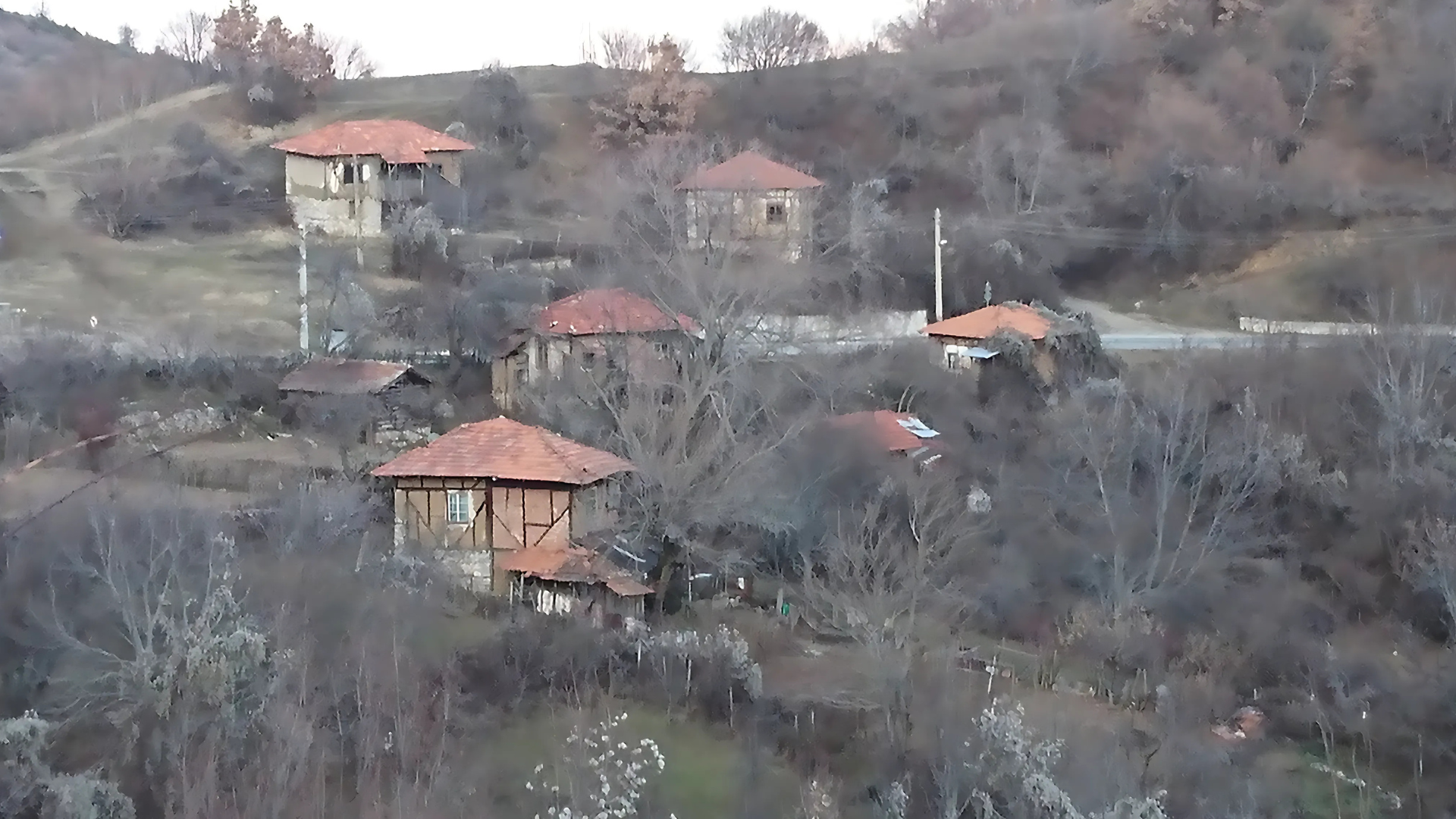
Continuing north from Dobrinishte toward Bansko, we passed the peaceful settlement of Mesta (BG - Места), a tiny rustic hamlet perched directly alongside Road II‑19. With its handful of traditional timber framed houses, terracotta tiled roofs and quiet rural charm, it felt like a moment frozen in time. Nestled close to the Mesta River, the village blends naturally into the rugged slopes of the Pirin foothills.
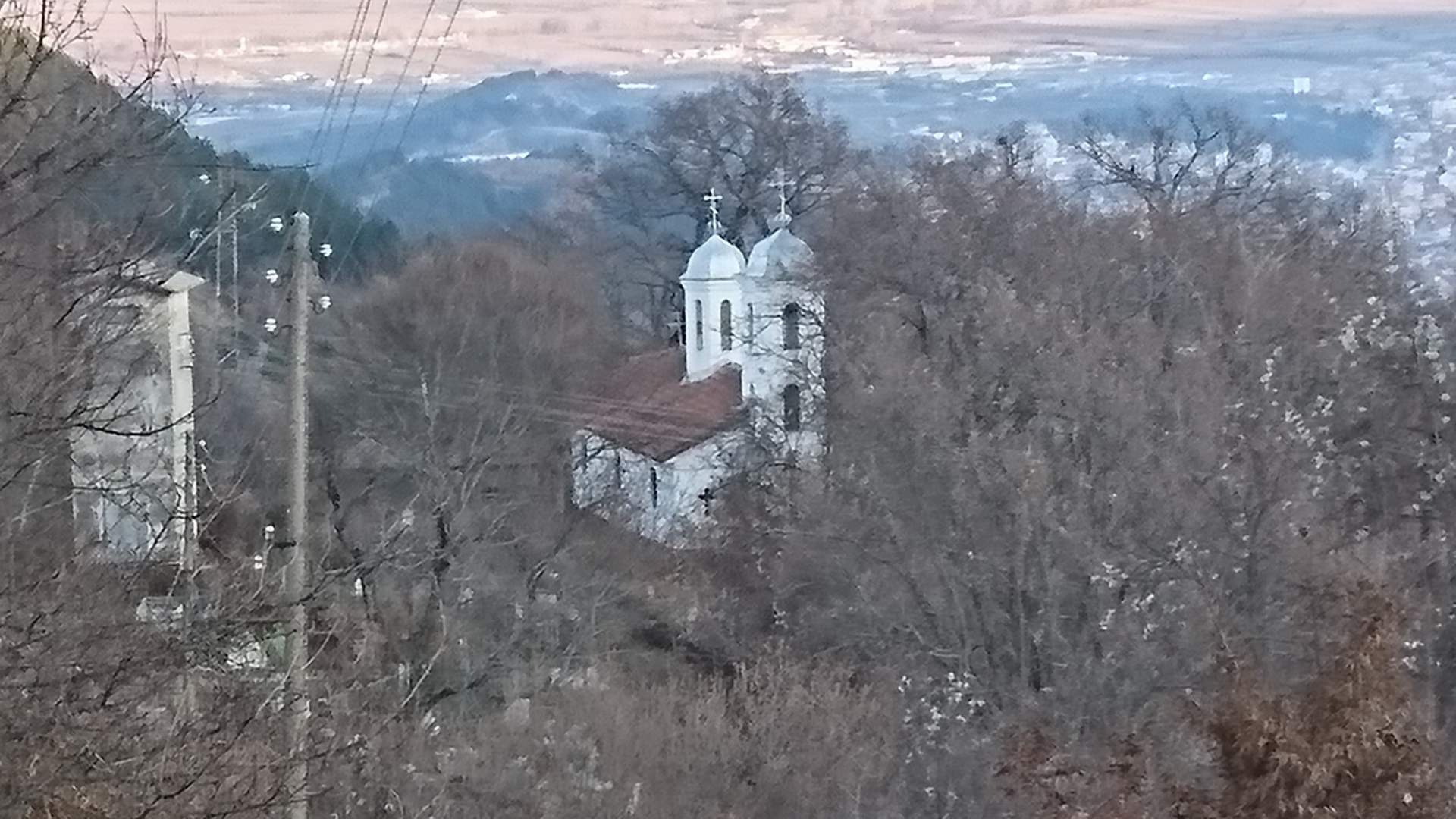
Passing through this cluster of homes, we spotted a small chapel with a steeple close by, evidence of how deeply rooted village life remains in that region. The air felt colder as the road rose, and the surrounding hills framed views of distant snowy ridgelines, and a township below, grounding us in the landscape’s timeless stillness.
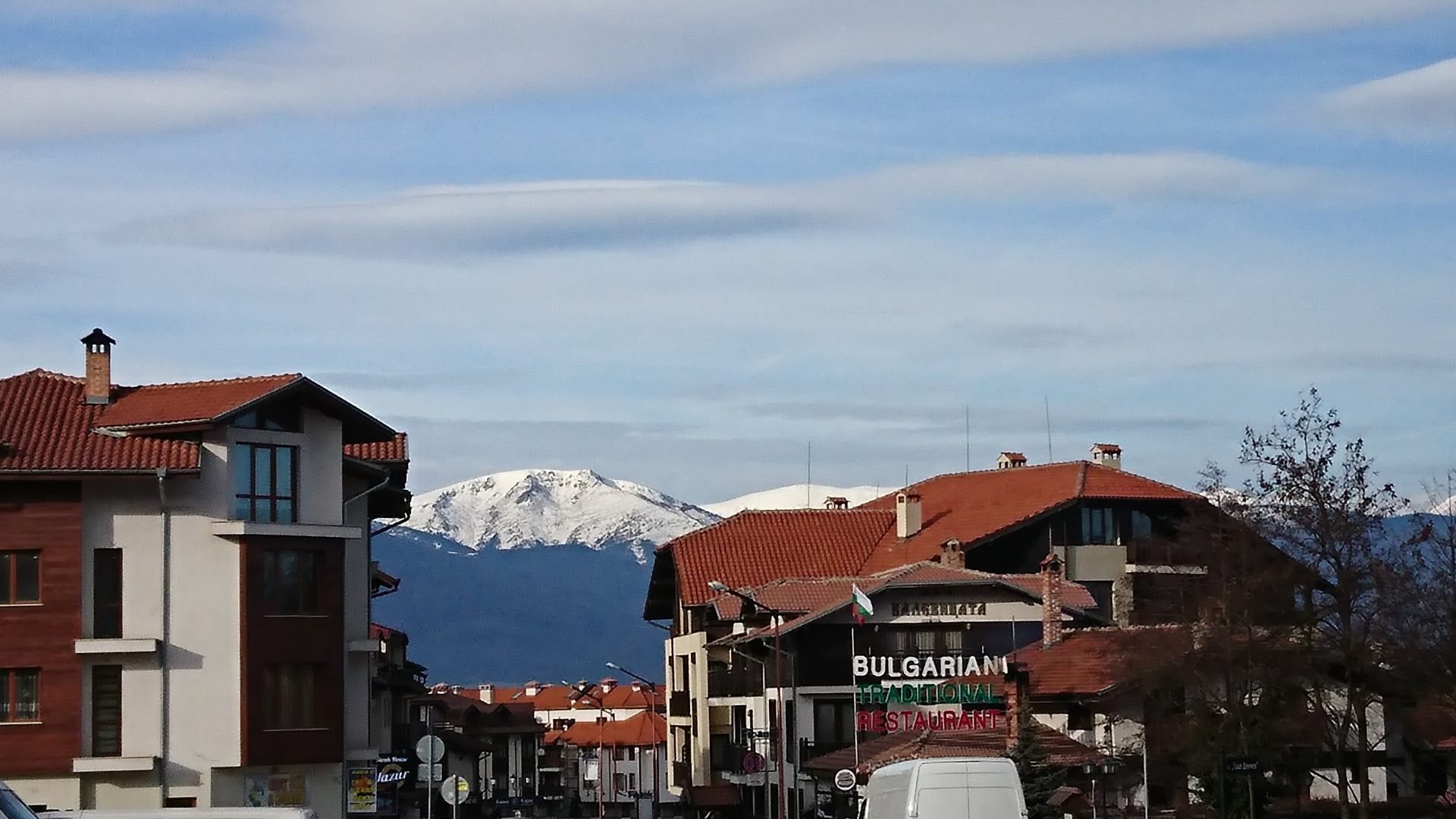
To arrive at the foothills of the Pirin Mountains and the charming township of Bansko (BG – Банско), a township where ancient traditions has grown swiftly into one of Bulgaria’s most sought after destinations. Once a quiet pastoral town, it’s now one of Eastern Europe’s emerging ski resorts, drawing winter travellers to its slopes and alpine charm. Yet beyond the snow gear and après ski cafés, Bansko holds deep historical layers.
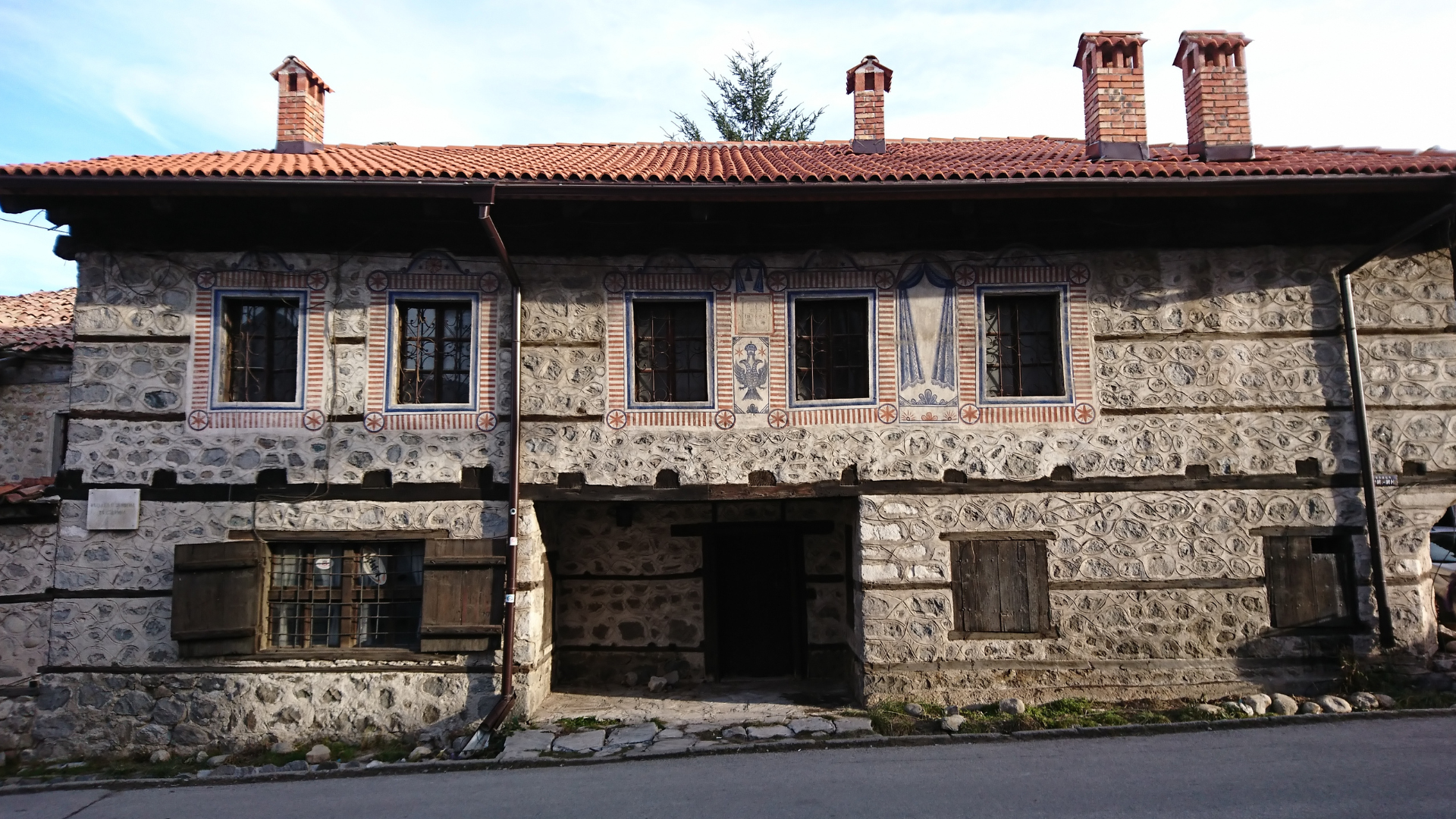
Wander through the cobbled streets of the old town, you'll feel echoes of its long and storied past. Archaeological evidence points to habitation in the Bansko and Razlog Valley as far back as 100 BC, with connections to the Roman Empire. In the centuries that followed, Bansko became part of the Byzantine (Eastern Roman) Empire from around 811 AD, though control of the area shifted repeatedly between the Byzantines and the Bulgarians.
By the late 14th century, the Ottoman Empire had taken hold, following the gradual disintegration of the Bulgarian Empire. Ottoman rule would shape the region for the next 500 years, leaving a legacy in architecture, local traditions, and cultural expression, until Bulgaria’s liberation in 1878.
In the 18th and 19th centuries, Bansko flourished as a centre for craftsmanship, trade, and culture. Its historic old town, still beautifully preserved, is peppered with stone houses, intricate wood carved interiors, and cobbled streets that echo stories of Bulgaria’s cultural awakening.
Fast forward to the 20th century, and Bansko, like the rest of the country, entered a new chapter under Communist rule, following the Second World War. During this period, private enterprise was suppressed, religious practice was tightly controlled, and many traditional ways of life were sidelined in favour of state directed industry and ideology. While this era brought infrastructural development and standardised education, it also cast a long shadow over personal freedoms and cultural expression.
Yet, as history so often shows us, the spirit of a place is not easily subdued. Beneath the surface, the soul of Bansko, its stories, traditions, and deep connection to the land, remained quietly alive, ready to emerge again when the time was right.
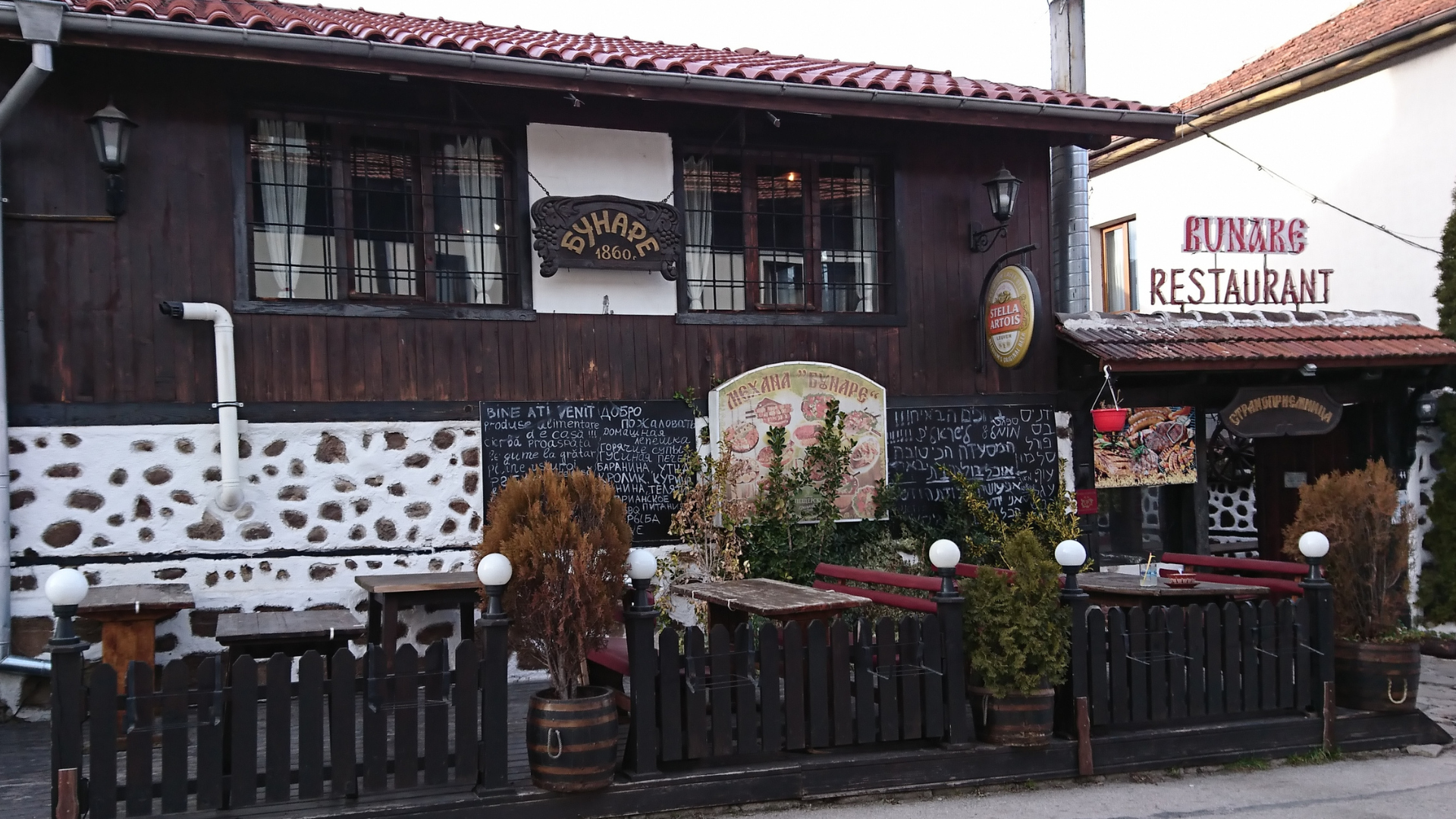
There’s also an abundant supply of traditional restaurants, known locally as mehana, where wooden interiors, open fireplaces, and live folk music draw you into a warmth that’s more than just physical. You’ll find bars and cafés dotted in between creperies, fresh juice shops, clothing boutiques, ski wear outlets, and shops selling local wares. Whether you’re after a mini market for basics or need to rent a car or exchange currency, it’s all within easy reach, often just around the corner.
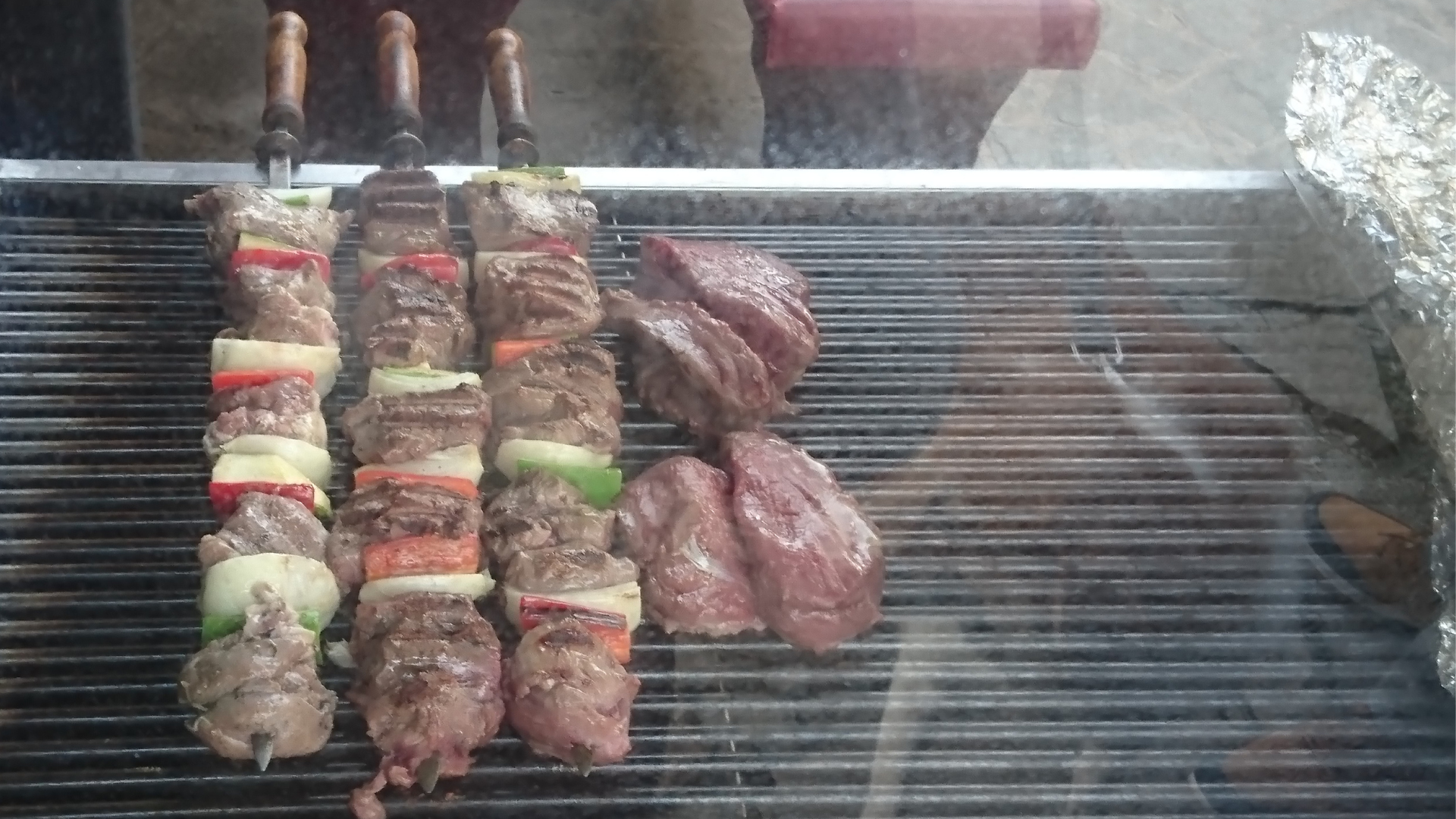
We stopped at one of the many mehana to enjoy a grilled shashlik, a Bulgarian style skewer of marinated meat threaded with slices of onion and peppers, sizzling over coals. The smoky aroma was as inviting as was the hearty simplicity of the snack itself.
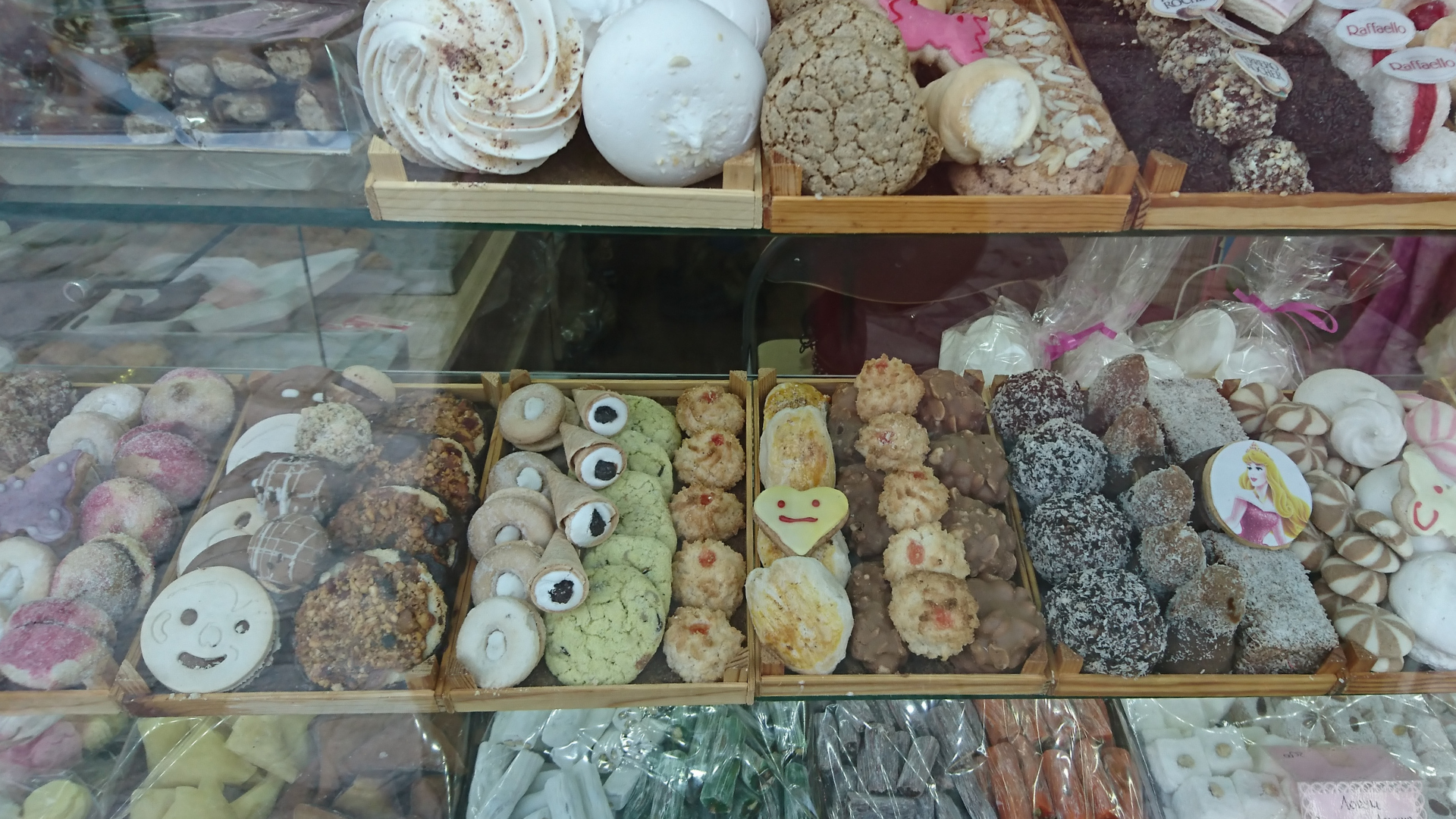
Just metres away, a nearby window display offered sweet temptations: rows of chocolate treats, with and without coconut, nut filled delicacies, and all manner of cookies, some with cheerful, smiling faces that seemed to wink as I passed. Needless to say, resistance was short lived, and I popped into the shop to take a sample of sweet treats home.
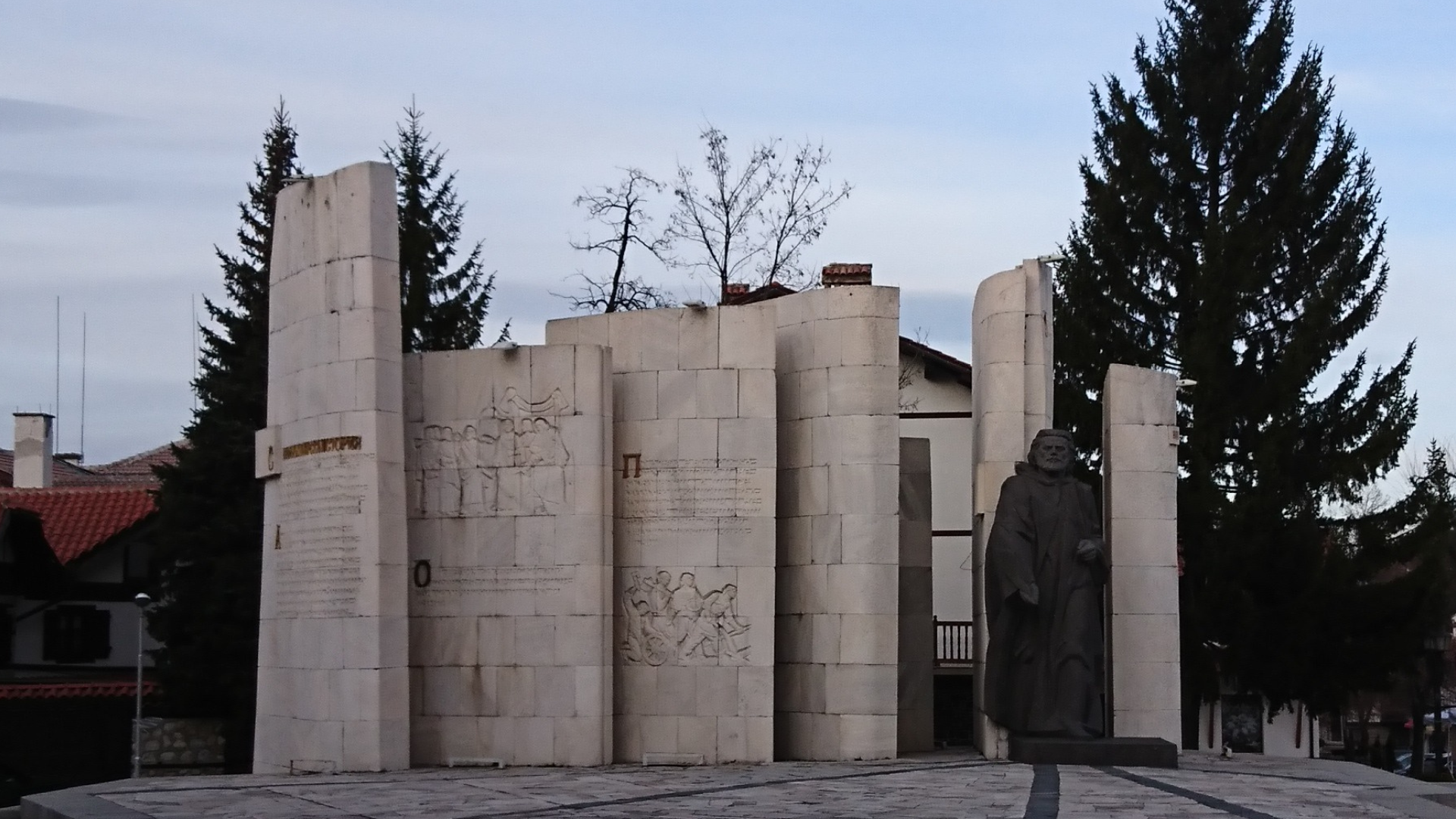
Wandering down the main pedestrian only thoroughfare of Bansko Old Town, we came across a strikingly modern monument in Vazrazhdane Square.
The Paisiy Hilendarski Monument, built in 1976, stands on the site believed to be the former residence of the influential Bulgarian philosopher. It honours his pivotal role in shaping a national consciousness during a time when Bulgaria was under Ottoman rule. His call for cultural remembrance and pride in Bulgarian identity stirred a sense of awakening, and one that would ripple into future movements for liberation.
In many ways, this monument is more than stone and sculpture. It’s a reminder that cultural memory isn’t just housed in museums or textbooks. It’s embedded in streets we walk, stories we tell, and even in the meals we share. Here in Bansko, that memory feels alive, in the architecture, in the warmth of the people, and in the enduring pride of place.
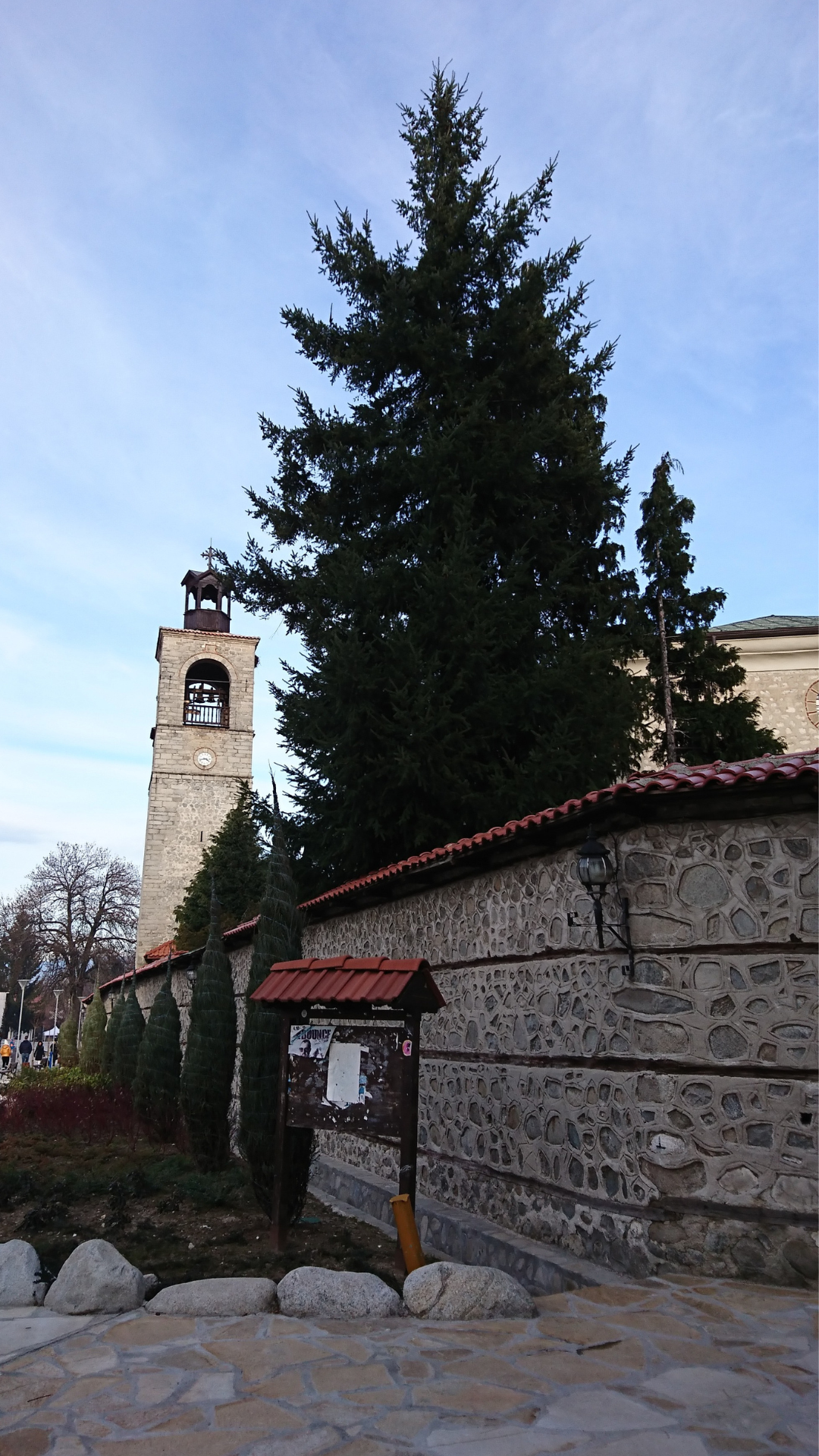
Further along the quiet streets of Bansko Old Town, tucked behind high stone walls and a neat garden enclosure, stands Sveta Troitsa (Saint Trinity Church), one of Bulgaria’s most significant examples of post Ottoman religious architecture.
The church’s modest exterior gives little away at first glance. Its walls, a hefty 1.1 metres thick, exude a quiet strength, once necessary, as churches during the Ottoman period were required to remain inconspicuous, without prominent domes or bells. Today, those same walls now enclose something truly remarkable.
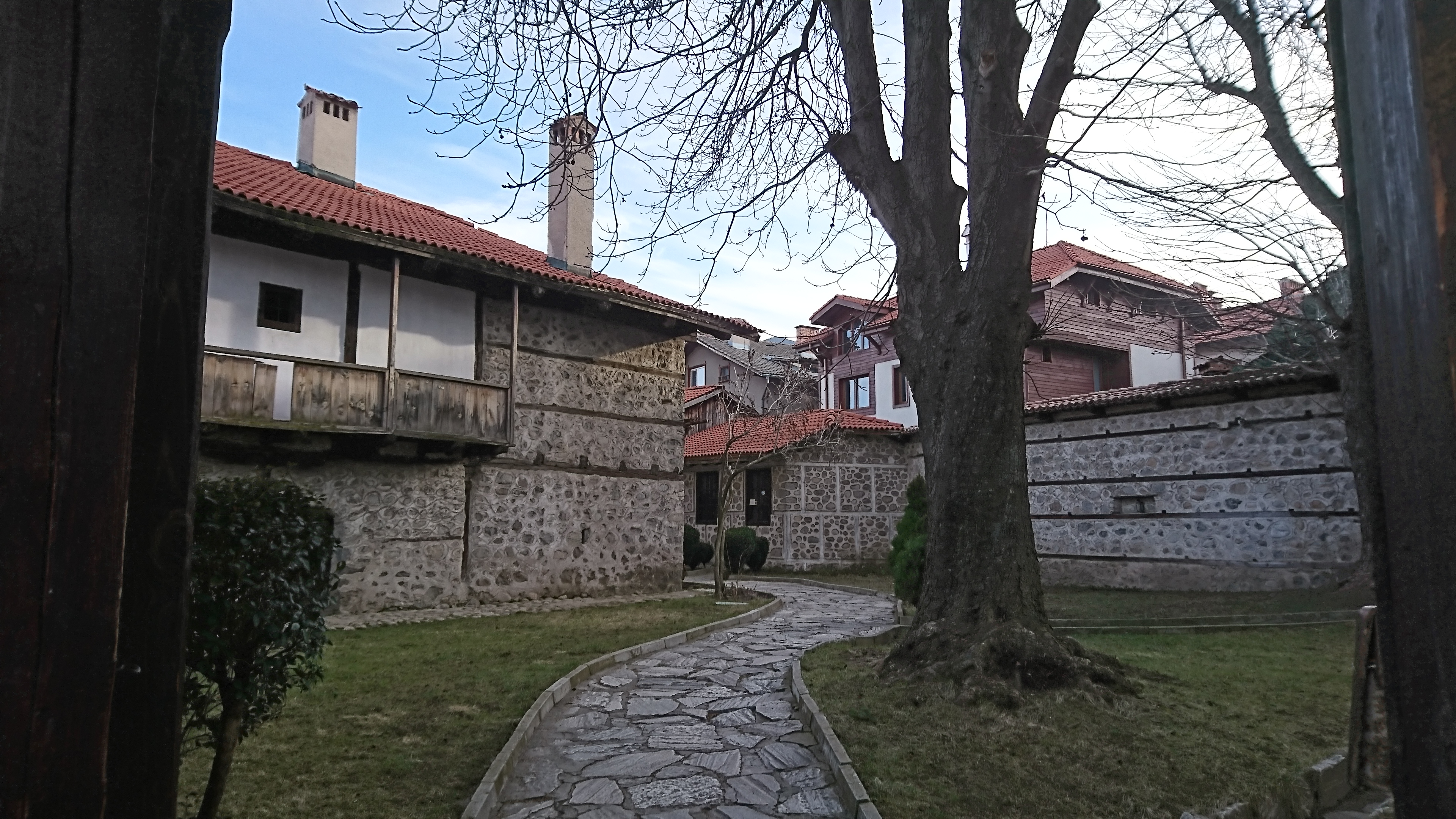
Stepping through the walled entrance into the gardened grounds of Bansko’s Saint Trinity Church, there’s a noticeable shift in atmosphere. The outside world seems to gently quieten as you pass beneath the archway, stone walls giving way to manicured lawns, and a sense of sacred calm replacing the bustle just beyond. It’s not grandiosity that captures you, but presence. The simplicity of the garden, framed by centuries old stone, offers a quiet prelude to what lies within.
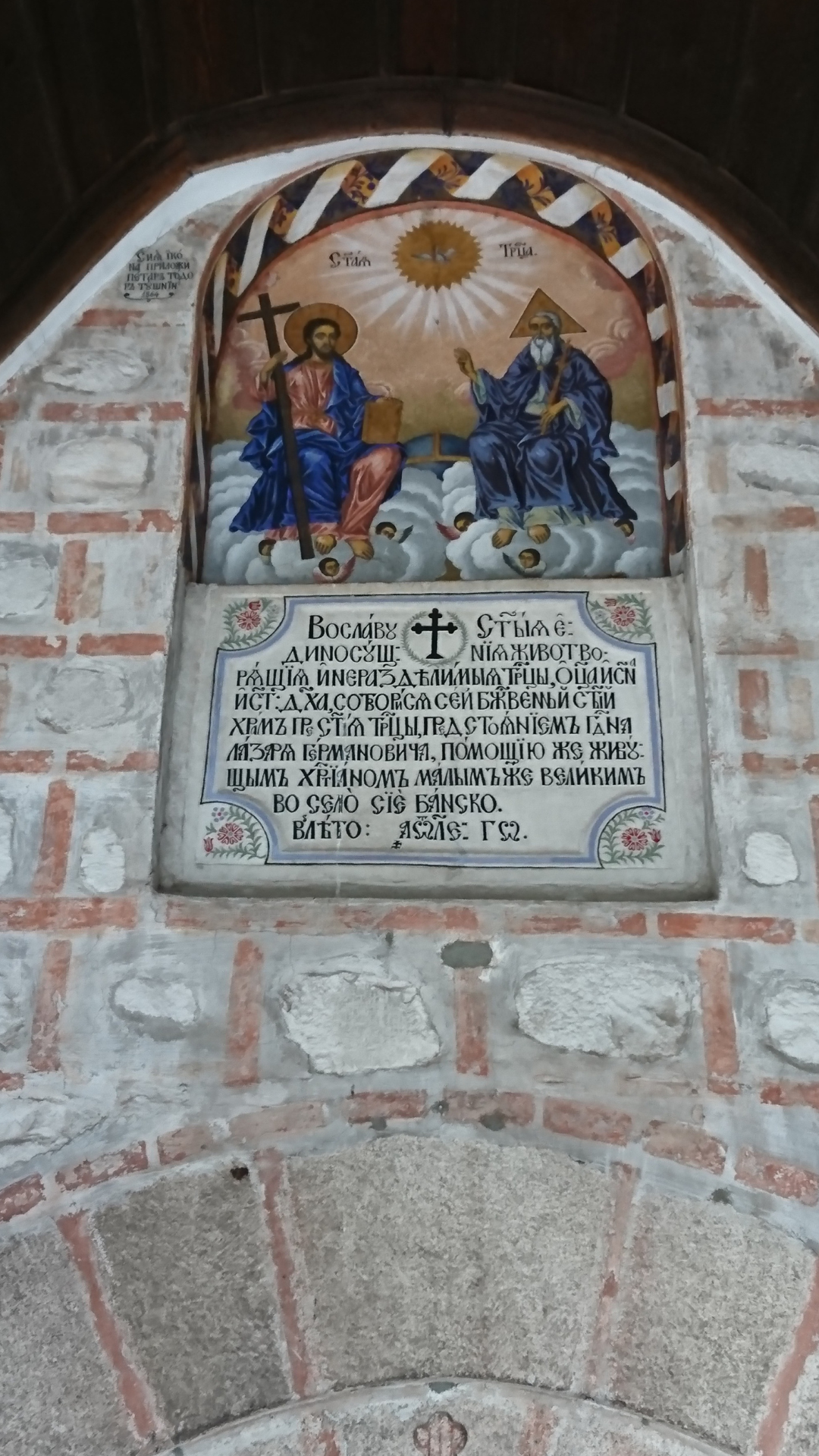
At the main entrance, a stone plaque is inset into the arch above the doorway. Although written in old Bulgarian Cyrillic, it roughly commemorates the church’s consecration and dedication by local benefactors.
The names referenced, such as Lazar Germanovich, are likely those who helped fund or build the church, a common tradition across Bulgaria’s National Revival period.
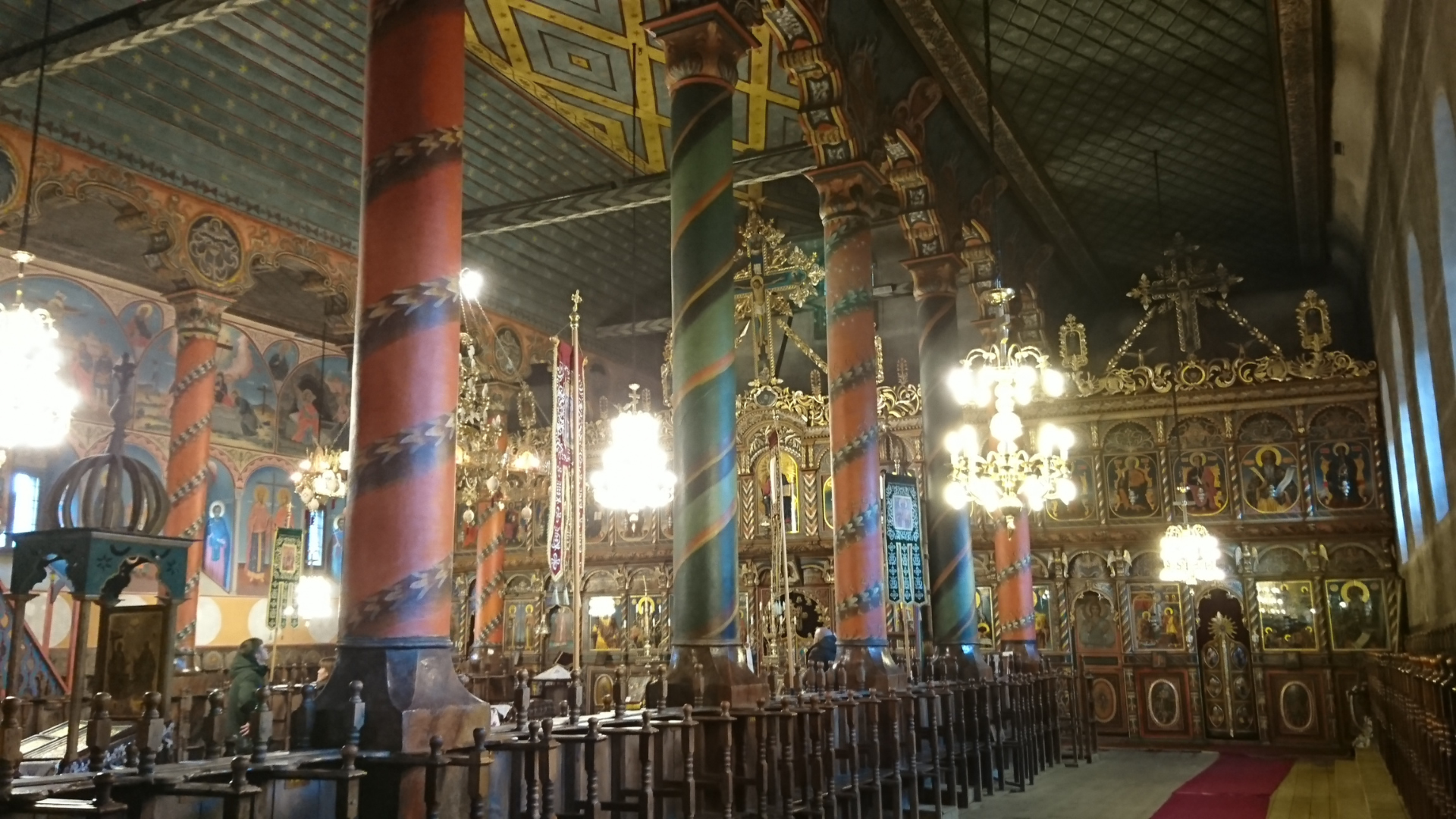
Walking around to a discreet side door, and entering the church itself is an entirely different sensory experience. The simple exterior gives way to an interior that is nothing short of breathtaking, almost theatrical in its vibrance.
Bold, spiralling columns painted in rich reds and greens, drawing the eye upward to a ceiling of geometric patterns, all while golden chandeliers spill warm light across the space. Every surface seems touched by colour: walls adorned with frescoes of saints and sacred stories, intricate woodcarvings laced in gold leaf, and an iconostasis that dazzles with devotion.
This isn’t a quiet backdrop, it’s a celebration of faith expressed through craftsmanship. You feel it in the frescoes of saints watching silently from their panels, in the hand carved thrones lined in rows, in the smell of beeswax, and faint incense that still lingers in the air, and in the polished wood that has absorbed centuries of whispered prayers and footfalls.
But this sacred presence wasn’t easily secured. Construction of the Saint Trinity Church began in 1810, deep within the era of Ottoman rule. It was the people of Bansko, resolute in both their faith and cultural identity, who led the way. Their devotion extended far beyond spiritual commitment; it was also a test of perseverance and sacrifice. For more than four decades, the church’s founders bore the burden of heavy taxes imposed by the Ottoman authorities, simply to keep the work moving forward. Only after some 40 to 45 years did their efforts culminate in the completion of the church and its commanding bell tower, both symbols of endurance as much as belief.
It’s no surprise the church was once a hub for both spiritual and cultural life, especially during the Bulgarian National Revival. A visit here doesn’t just offer architectural beauty, it evokes a deeper connection to memory, identity, and the enduring spirit of a community shaped by history.
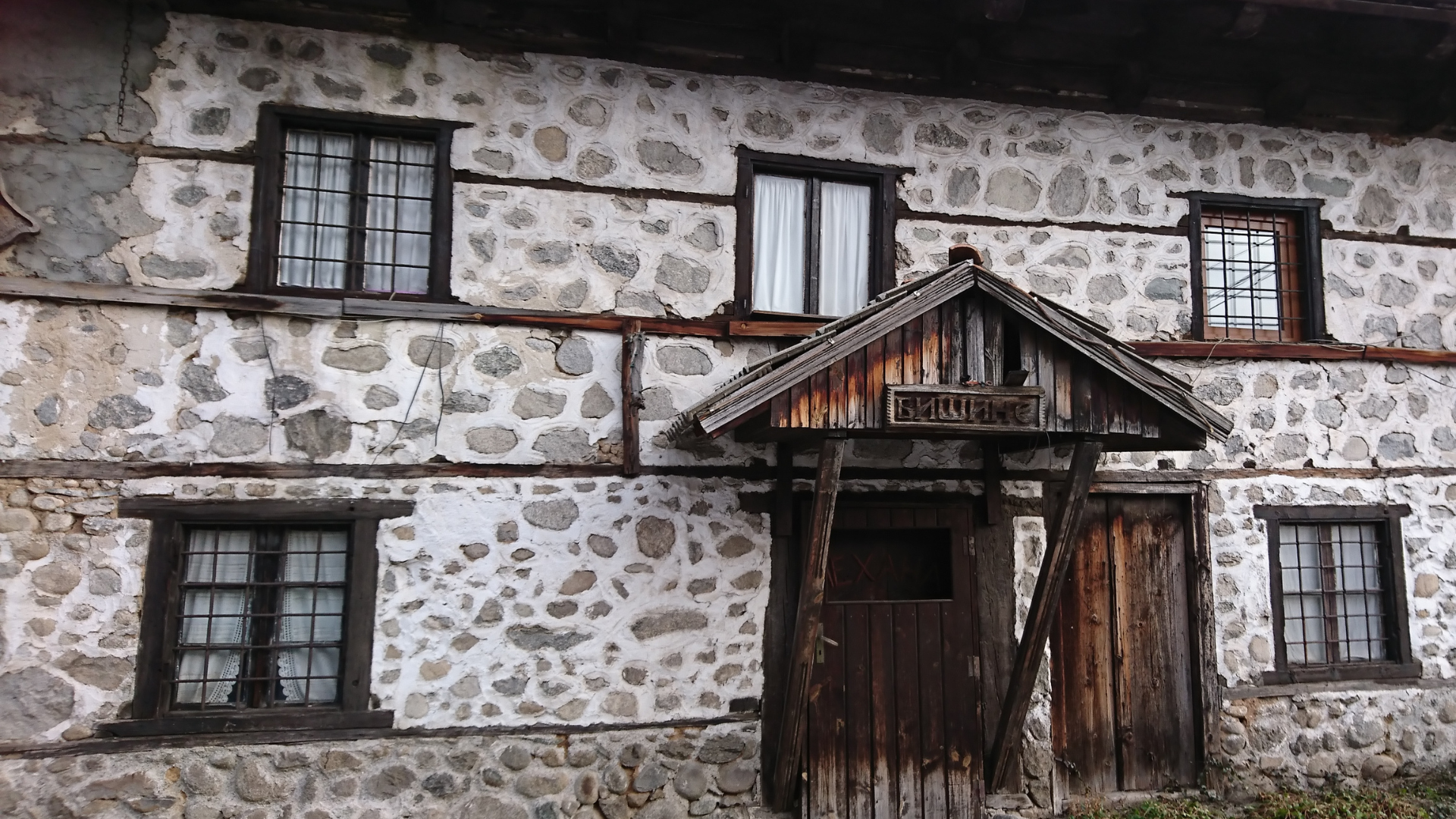
Leaving the church, we took a quieter path, turning away from the busier pedestrian only path and wandering instead through the back lanes of Bansko’s old town. It’s in these side lanes that the stories seem to settle a little deeper into the stonework and timber frames. More traditional houses lined the way, thick stone bases topped with timber upper floors, their eaves stretching protectively overhead, as though sheltering the memories held within.
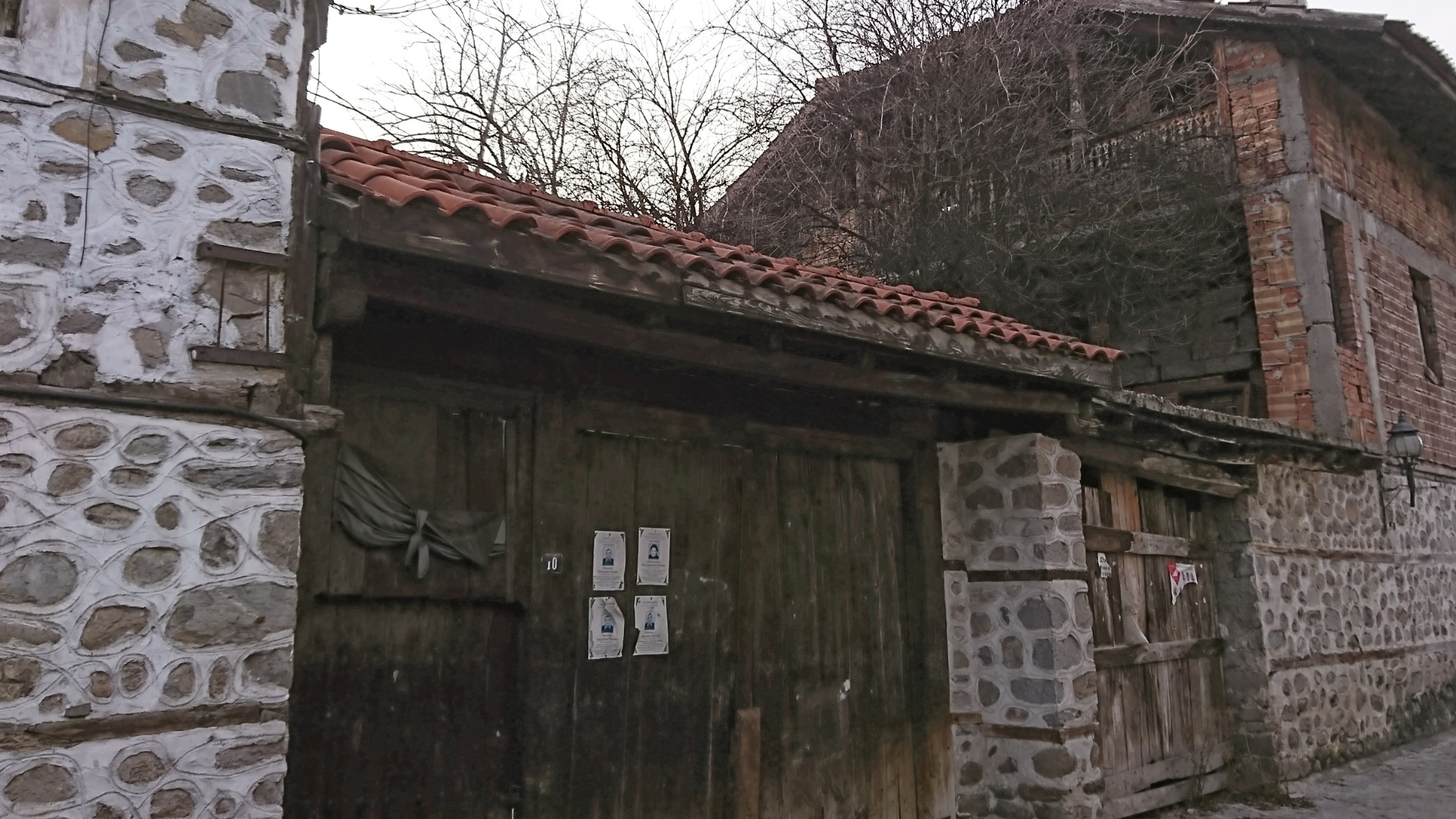
Amongst these weathered homes, we came across one whose front entrance bore a large black bow, its presence quiet but commanding. I’d seen the same solemn tradition before, while visiting Stob, and once again, it marked the passing of someone from the household. A visual tribute steeped in respect, it spoke volumes without a single word, it's a way the living honour those who’ve gone before, right at the doorstep of daily life.
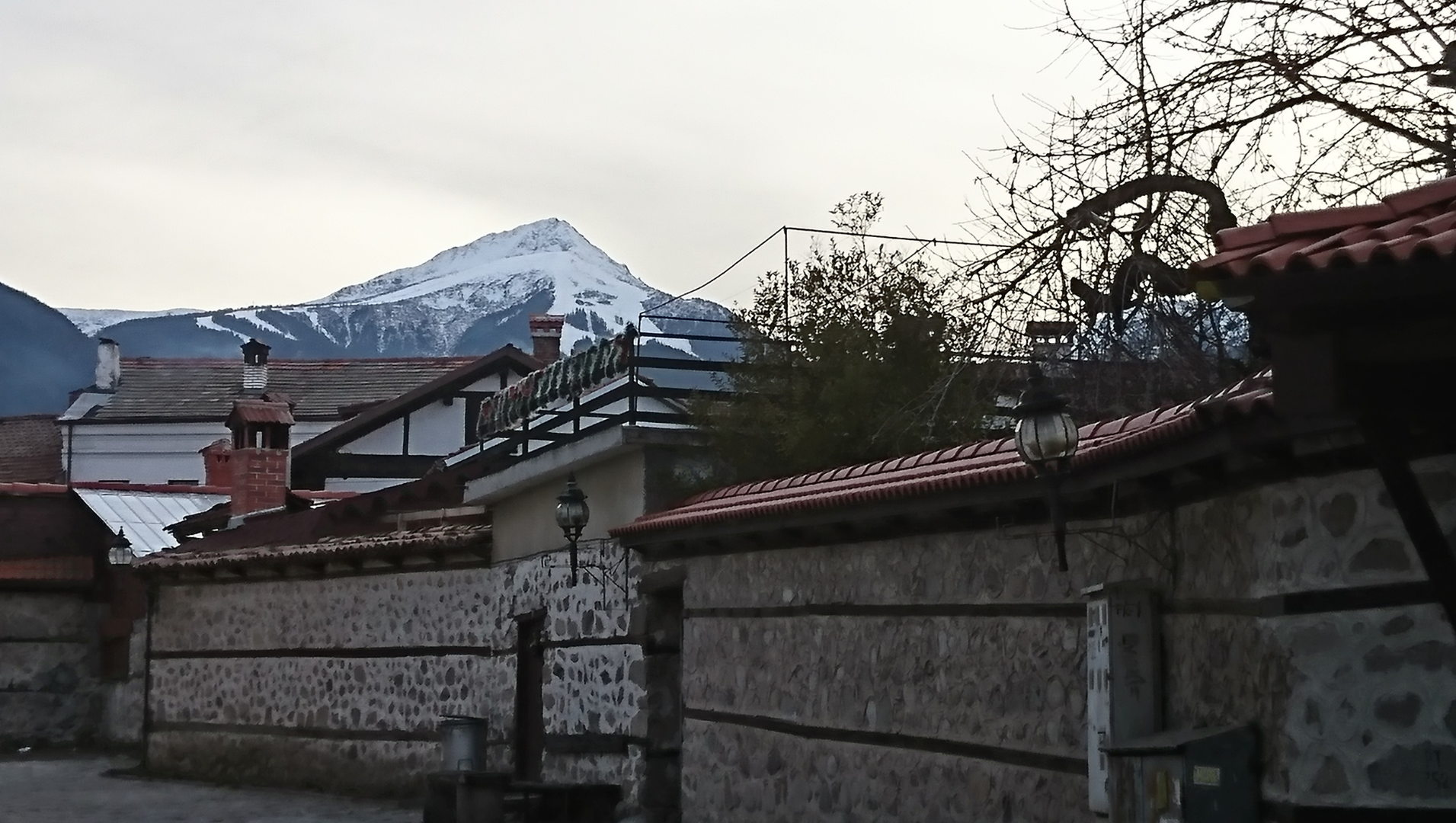
Turning into another lane, the cobbled path narrowed, surrounded by high stone walls and the terracotta tiled eaves of traditional Bansko homes. And there, just beyond the rooftops, the Pirin Mountains rose into view. Snow draped, they seemed to lean in, watching over the town as they have for centuries. In that moment, history and nature met in quiet conversation, and we were fortunate enough to witness it.
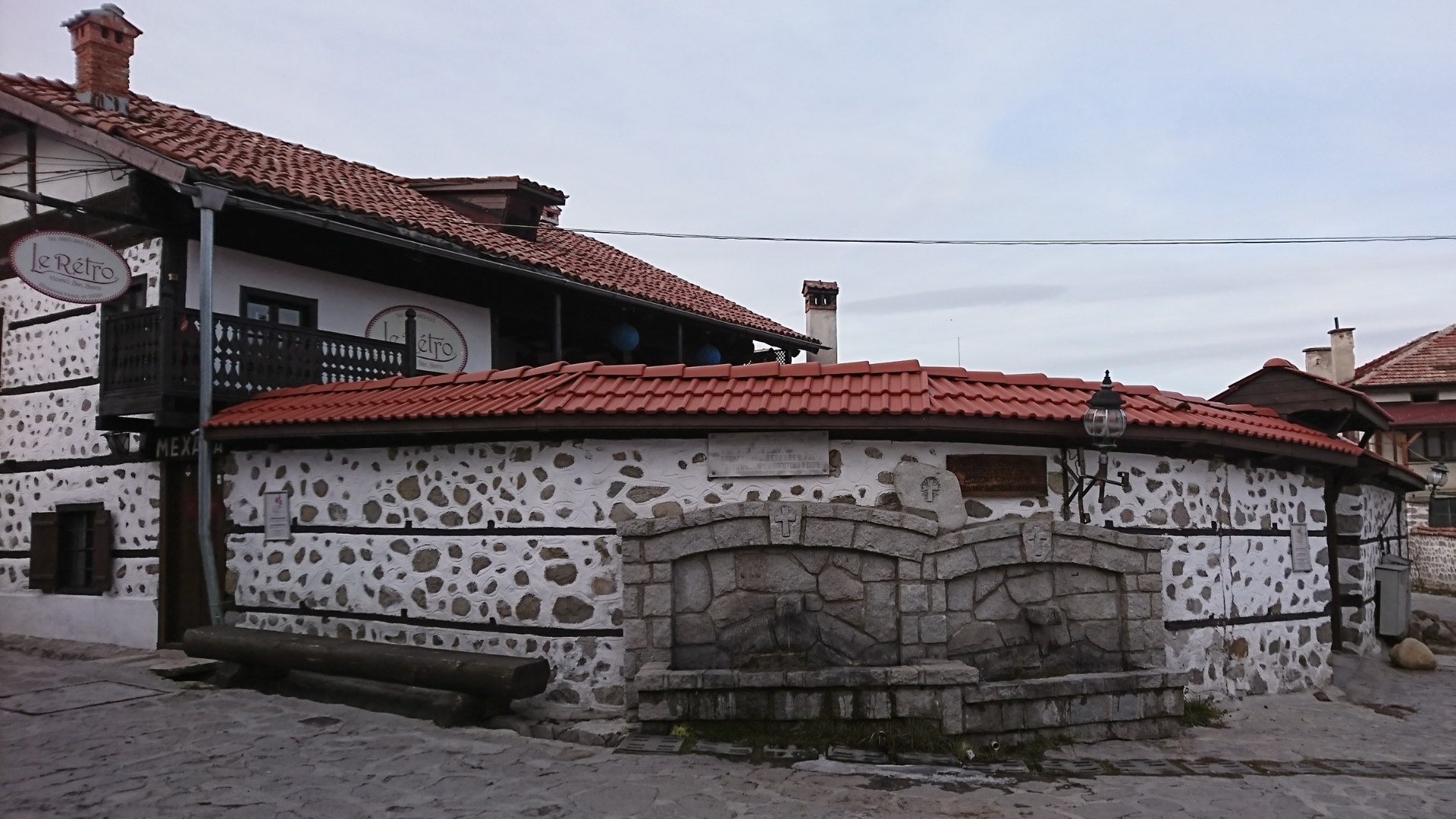
As we wandered back toward the newer part of town, we passed Le Retro, a welcoming hostel, bar, and bistro nestled right alongside not one, but two traditional stone fountains. Their steady flow of water is fed by the abundant waters of the Razlog Valley, flowing down from the Mesta River and the glacial lakes beyond. It felt like a quiet metaphor for Bansko itself: a meeting place of generations, where the past gently flows into the present. Here, locals can still come to fill a bottle or take a sip with cupped hands, just as they have done for decades, perhaps longer. And all the while, life continues on, just like the ever running water.
Not far from where our walk began, an ice skating rink came into view, a lively option for those visiting Bansko without skis or snowboards in tow. My friend, brimming with childhood memories of gliding across the ice, was eager to lace up her skates. I, on the other hand, had less graceful recollections, mostly involving more time on the ice than skating on it. So, I opted for the comfort of watching from the sidelines, content with a warm drink in hand and a view of a town that so effortlessly blends tradition with the flow of modern life.
As the late afternoon light softened over Bansko, we left and headed back toward Blagoevgrad. With the snow dusted peaks disappearing behind us, the road wound through the Pirin foothills, past Simitli, and onto the Struma Highway.
Though it was just an hour’s drive, the energy shifted noticeably: from the crisp mountain air and old world charm of Bansko, to the steady feel of winter motorway travel.
But beneath the charm of Bansko’s winter stillness, another current stirs, something more potent and personal. With both Mars and Pluto setting lines influencing this region, I felt not just grounded here, but transformed through connection. Mars speaks through heat, assertion, and the potential spark of confrontation, while Pluto deepens the atmosphere, asking for honesty and emotional truth in all relationships, both personal or professional.
It’s a region that stirs intensity, yet I found myself able to hold steady, and to overcome moments of tension and meet them with composure and grace.
Bansko in winter. There’s something grounding about being surrounded by such rugged natural landscapes, where the pace of life slows and the past feels close enough to touch. A single day, yes, but rich in texture, of snow underfoot, stories shared, and the stillness found between moments.
As we returned to Blagoevgrad, the light fading and thoughts gently settling, I was reminded once more that Soul Travel isn’t only about distance, it’s about presence.
See you soon,
Consider signing up to receive new Soul Travel blogs, travel reflections, and astrocartography insights as new destinations are shared.

✨ If this story resonated with you, you are warmly invited to continue the journey in a way that feels aligned with you.
✨ Explore personalised insights through consultations
✨Begin with ‘The Journey’ Orientation
✨Listen to Destined Places podcast stories
✨Save and share Soul Travel inspiration on Pinterest